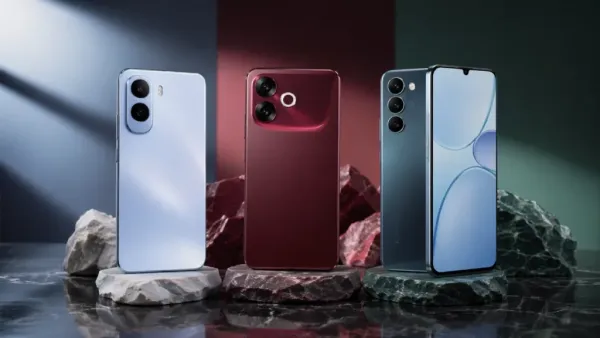
The smartphone market in India develops at an active pace because the three newest devices, which include Oppo F33 5G, Vivo T5 Pro 5G, and Realme Narzo 100 Lite 5G, demonstrate how brands use their market strategies. The three devices show different approaches to design because they focus on three distinct user needs, which include mid-range users who want balanced performance, strong battery life, and affordable prices at the same time. This analysis provides a better understanding of smartphone value assessment, which phone manufacturers use to develop their products in 2026.
Display and Design Reflect Clear Positioning
The Oppo F33 and Vivo T5 Pro both lean towards the premium mid-range segment, but they approach it in different ways.
Oppo delivers a durable product with its 6.57-inch AMOLED display,y which supports a 120 Hz refresh rate and IP66/IP68/IP69 ratings. The combination of these materials established a device that combines visual appeal with extended operational durability.
Vivo, on the other hand, pushes visual experience and immersion further. The T5 Pro features a larger 6.83-inch AMOLED panel with 1.5k resolution and a 144 Hz refresh rate, paired with high brightness levels. The product targets users who prefer spending their time watching videos and playing games. The product achieves a high-end design except for its use of plastic materials, which diminishes the premium look.
The Realme Narzo 100 Lite takes a different route altogether. The product provides a 6.8-inch LCD display, which functions at a 144 Hz refresh rate, making it an impressive feature for its price range. The product budget appears through its lower HD+ resolution and lower panel quality. The company plans to deliver essential functions through its key features at scale rather than refining them.
Performance Tells A Story Of Priorities
The performance test shows two different paths that lead to their respective results. The Vivo T5 Pro stands out among the three devices because its Snapdragon 7s Gen 4 chipset provides power for up to 128 GB RAM. The combination of this setup and its high refresh-rate display makes it suitable for both gaming and extensive multitasking activities.
The Oppo F33 adopts a more measured approach. This device uses the MediaTek Dimensity 6360 Max chipset to provide users with stable performance throughout their daily activities. The system does not focus on benchmark performance but instead provides users with reliable performance for their daily work, which makes it ideal for typical users.
Realme 100 Lite operates firmly in the entry-level space. Its hardware is designed for basic usage —social media, browsing, and light apps. The device provides 5G connectivity and acceptable RAM selections, but it does not compete with other devices based on pure performance capabilities.
Camera Systems: Practical vs Minimal Enhancements
The three devices establish their design identity through their camera configurations. Oppo maintains its commitment to dependable performance through its 50 MP main camera and 16 MP front camera, which together develop user-friendly results for standard photography and video conference needs.
Vivo adds a slight edge in the selfie department, featuring a 32 MP front camera, which aligns with its broader focus on media and user-facing features. However, like Oppo, it doesn’t significantly expand the versatility of its rear camera.
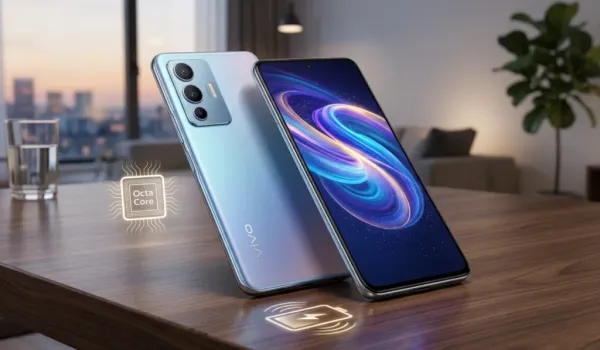
The Realme Narzo 100 Lite, in contrast, offers a basic 13 MP rear camera, reflecting the compromises required to maintain its lower price point. The device works properly, yet it lacks design features that would satisfy users who want high-quality photography results.
Battery Becomes A Key Differentiator
The battery functions as the primary factor that differentiates the three products. Vivo takes an aggressive lead with the T5 Pro’s 9000 mAh battery, paired with 90W fast charging. The device functions as a device that meets the requirements of users who need extended periods of usage, including gamers, streamers, and people who stay active throughout the day.
Oppo presents its users with a 7000 mAh capacity, which supports 80W charging as proof of its dedication to battery technology. The product provides extended usage time, yet it maintains a practical size which allows for comfortable all-day operation.
Realme matches the 7000 mAh capacity, which is impressive at its price, but lacks the same level of charging speed and optimization. The device provides long-lasting power, yet it lacks the sophisticated features found in premium products.
Experience And Software
All three devices use Android 16but their software experiences are contrasting. Oppo’s Linux OS system provides users with dependable operating systems and productive elements, while Vivo’s iOS system enables users to personalize their system through its visual features. Realme’s interface design maintains its basic structure, which operates effectively in systems linked with limited processing power.
The Oppo and Vivo products showcase their premium capabilities through their superior water protection and refined interface elements, whereas Realme adopts a basic design approach to keep its products budget-friendly.
Pricing Highlights Market Segmentation
The pricing structure creates separate market segments. The Oppo F33 sits around the Rs 30000 mark, finally placing it firmly in the mid-range premium segment. The Vivo T5 Pro operated in a similar range but stretched higher depending on configuration, reflecting its performance-heavy positioning. The Realme Narzo 100 Lite, priced significantly lower at around Rs 16000, targets an entirely different audience, like users seeking 5G connectivity and large batteries without a premium price tag.
Drawbacks Reflect Strategic Tradeoffs
The design philosophy of each device introduces specific limitations that users must deal with. The F33 5G of Oppo lacks advanced camera capabilities and high performance, while Vivo T5 sacrifices product durability and photographic options to deliver its exceptional processing power and extended battery life. Realme Narzo 100 Lite 5G makes it accessible to budget-conscious users through its lower prices, which compromise display resolution, camera quality, and processing capabilities.
A Market Defined By Specialization
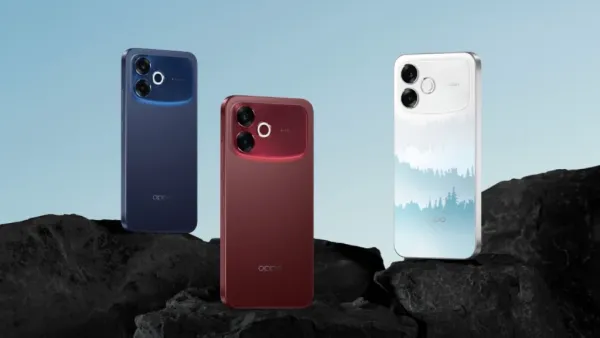
The three devices demonstrate an entirely new method by which smartphones are being marketed today. Brands now prefer to concentrate their efforts on particular strengths instead of attempting to perform well across all segments. These three smartphones do not compete against each other through standard competitive boundaries, but they show different ways through which value can be understood in the current smartphone industry.
-
US-based Hindu advocacy group wins two awards for public outreach

-
Health Concerns Arise for Congressman Paul Gosar After Rally Appearance

-
Ways to Keep Goddess Lakshmi Happy in Your Home

-
Trump met with furious protests ahead of huge event - 'F*** Trump'

-
Bride's Shocking Outburst at Wedding Ceremony Over Alleged Infidelity