Iran on Thursday issued a sharp warning to the United States, stating it would launch “long and painful strikes” on US positions if Washington escalates military action, sharpening tensions in the ongoing conflict involving the United States and Israel.
The warning came as US President Donald Trump had been scheduled to review contingency plans involving a “short and powerful” round of military strikes designed to pressure Tehran into renewed negotiations.
At the centre of the crisis lies the Strait of Hormuz, a critical maritime route that handles nearly one-fifth of global oil and gas flows. The channel has remained shut for two months, severely impacting energy supplies and driving volatility in global markets.
The disruption has pushed benchmark crude prices sharply higher, with Brent crude briefly surpassing $126 per barrel before easing to around $114, reflecting investor anxiety over prolonged instability.
Diplomatic Deadlock Despite Ceasefire
Although a ceasefire has been in place since April 8, diplomatic efforts have stalled. Iran continues to block the waterway in response to a US naval blockade targeting its oil exports, which is seen as Tehran’s primary economic lifeline.
Iranian Foreign Ministry spokesperson Esmaeil Baghaei downplayed prospects for a quick resolution. “Expecting to reach a result in a short time, regardless of who the mediator is, in my opinion, is not very realistic,” he said.”
Military Posturing Intensifies
Amid the diplomatic impasse, both sides have ramped up signalling. Iranian state-linked media reported air defence activity in parts of Tehran, with systems engaging drones and surveillance aircraft late Thursday.
A senior commander from Iran’s Revolutionary Guards warned that even limited U.S. strikes would trigger sustained retaliation across the region. Aerospace Force Commander Majid Mousavi said, “We've seen what happened to your regional bases, we will see the same thing happen to your warships.”
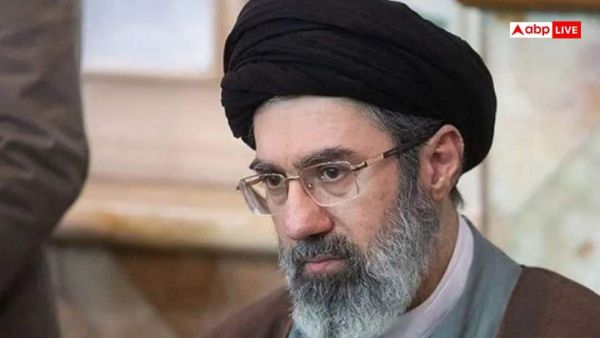
Iran’s Supreme Leader Mojtaba Khamenei reinforced the country’s stance on the contested waterway, stating that Tehran would eliminate “the enemies' abuses of the waterway” and maintain its control. “Foreigners who come from thousands of kilometres away ... have no place there except at the bottom of its waters,” he said.
The escalating situation has triggered precautionary measures across the region. The United Arab Emirates advised its citizens against travelling to Iran, Iraq, and Lebanon, urging those already present to return home.
At the global level, Antonio Guterres cautioned that a prolonged disruption in the Gulf could weigh heavily on economic growth, drive inflation, and deepen humanitarian challenges worldwide. “The longer this vital artery is choked, the harder it will be to reverse the damage,” he said.
Political Pressures Mount In Washington
In Washington, Trump faces a deadline under the War Powers Resolution to either end hostilities or seek congressional approval for continued engagement. However, officials indicated the administration may argue that active hostilities had ceased following the April ceasefire.
Trump reiterated that Iran would not be allowed to develop nuclear weapons and expressed optimism that fuel prices would “drop like a rock” once the conflict ends, a key concern ahead of upcoming elections.
Despite mounting economic strain from sanctions and conflict, analysts suggest Iran may be capable of sustaining a prolonged standoff in the Gulf. The ongoing impasse underscores the risks of further escalation, with both sides maintaining hardline positions and limited signs of immediate de-escalation.
-
The Tradition of Mixing Water with Whiskey: Understanding the Reasons

-
Death row inmate executed as he declares 'I'm innocent' after cousin confesses to crime

-
The 'gorgeous' UK beach that looks like Spain but without the crowds of tourists

-
Essential Guidelines for Booking Train Tickets in India

-
Boosting Milk Production in Cattle During Winter: Effective Tips