A potential end to one of the biggest geopolitical crises of the year is already delivering relief to India, and the impact is being felt first in the currency market.
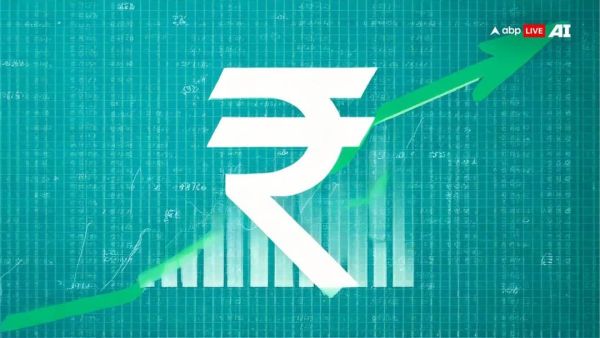
The rupee strengthened sharply against the US dollar on Monday after oil prices tumbled following US President Donald Trump's announcement that Washington and Tehran had finalised a peace agreement to end their 107-day conflict. The proposed deal, which is expected to formally be signed in Switzerland on June 19, would also reopen the Strait of Hormuz, one of the world's most important energy corridors.
For India, which imports the bulk of its crude oil requirements, the development could have implications far beyond currency markets, potentially easing pressure on fuel prices, inflation, government finances and the country's external accounts.
Rupee Records Sharp Gains
The Indian currency opened stronger against the US dollar and extended gains in early trade.
At the interbank foreign exchange market, the rupee opened at 94.70 against the dollar before strengthening further to 94.60, a gain of 58 paise from its previous close. The move came after the currency had already surged 67 paise on Friday to settle at 95.18.
Currency traders attributed the rally to a combination of falling oil prices, a softer US dollar and positive sentiment in domestic equity markets.
The benchmark Sensex rose more than 1,100 points in early trade, while the Nifty gained over 335 points as investors welcomed signs that tensions in West Asia may finally be easing.
The Strait Of Hormuz Factor
At the centre of the market reaction is the Strait of Hormuz.
The narrow waterway between Iran and Oman handles roughly one-fifth of global oil consumption and serves as the primary export route for major Gulf producers including Saudi Arabia, Iraq, Kuwait, the United Arab Emirates and Qatar.
The disruption of shipping through the strait during the conflict triggered a sharp rise in crude oil prices, freight rates and insurance costs, sending shockwaves through energy-importing economies.
For India, the exposure is particularly significant.
Before the conflict began, the country imported more than 88 per cent of its crude oil requirements, with roughly half of those supplies sourced from Gulf nations whose exports pass through Hormuz.
India also relied on imports to meet around 60 per cent of its LPG demand and nearly half of its natural gas requirements, much of which arrived through the same route.
Oil Prices Retreat From Crisis Highs
The peace announcement has already begun reshaping energy markets.
Brent crude fell 4.66 per cent to $83.26 per barrel on Monday after Trump declared that "The Deal with the Islamic Republic of Iran is now complete." The decline marks a significant reversal from the peak of the crisis.
Global oil prices had surged to as high as $119 per barrel during the worst phase of the conflict, compared with the $70-72 range seen before the war erupted. The sharp rise forced governments and businesses worldwide to absorb higher energy costs.
India was no exception.
Petrol and diesel prices were increased by around Rs 7.50 per litre after state elections, while CNG prices rose by Rs 6 per kg. LPG prices also increased by Rs 89 per 14.2-kg cylinder in two instalments. Even after those increases, state-owned oil marketing companies continued to absorb substantial losses as retail prices lagged the rise in global energy costs.
Why A Stronger Rupee Matters
For India, lower oil prices and a stronger currency often go hand in hand.
A large portion of India's import bill is denominated in US dollars, particularly crude oil purchases. When oil prices fall, the demand for dollars eases, helping support the rupee.
A stronger rupee, in turn, reduces the cost of imports, helping businesses manage input costs and limiting imported inflation.
According to V K Vijayakumar, Chief Investment Strategist at Geojit Investments Ltd, the peace agreement significantly alters India's external-sector outlook.
"Rupee movement today will be significantly influenced by the peace deal between US and Iran and the consequent crash in Brent crude. This means India's balance of payments problem for FY27 is no longer a serious issue," he said.
Vijayakumar noted that the rupee had already begun appreciating from the low of 96.96 against the dollar touched on May 20 and expects the trend to continue.
"Today the appreciating trend will continue and the rupee is likely to trade in the 94.80 to 94.60 range with scope for further appreciation in the coming days," he added.
Bigger Implications For The Economy
The benefits of a sustained decline in oil prices extend well beyond currency markets.
Lower crude prices can reduce India's import bill, support the rupee, narrow the current account deficit and ease inflationary pressures. They can also provide relief to sectors heavily dependent on energy, including aviation, logistics, manufacturing, petrochemicals and fertilisers.
For policymakers, easing energy prices could help contain inflation at a time when the government has been balancing rising subsidy costs and pressure on public finances. A calmer Gulf region would also reduce uncertainty around fuel supplies and shipping routes, offering greater stability for businesses and consumers alike.
Markets Betting On Stability
Investors appear to be betting that the worst of the energy shock may be over.
The dollar index weakened 0.22 per cent to 99.53, while domestic equities rallied sharply in response to the developments.
If the agreement is formally signed on June 19 and shipping through the Strait of Hormuz returns to normal, analysts believe India could emerge as one of the biggest beneficiaries of the peace dividend.
-
Craving too much street food? Then make Crispy Paneer Tikka Kathi Rolls instantly in 10 minutes

-
Homemade Khandvi Recipe: Make easy and delicious Khandvi in cooker, the taste is such that you keep licking your fingers.

-
Unique tourist places for summer holidays near Delhi
-
Only one witness against 847 accused in Vyapam! Umang Singhar raised questions on the investigation, asked the Chief Minister “Will the truth come out or will it be buried”
-
Government gives green signal to 100% ethanol, Nitin Gadkari reveals complete plan to abolish petrol!