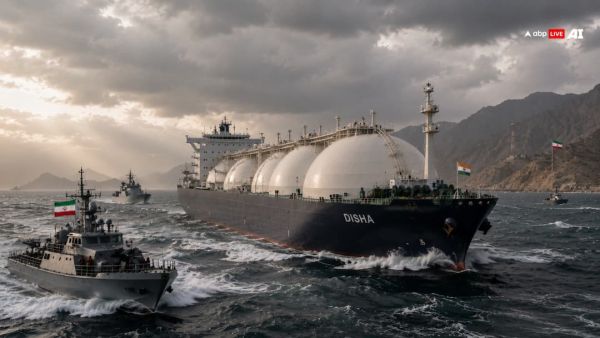
A liquefied natural gas tanker stuck in the Persian Gulf for over three months is now heading toward the Strait of Hormuz, just as the United States and Iran announced a deal to reopen the vital waterway.
According to ship-tracking data compiled by Bloomberg, the Disha, an LNG carrier on a long-term charter with an Indian state-owned importer, is moving into the eastern arm of Hormuz, toward the Gulf of Oman. The tanker picked up a shipment from Qatar's Ras Laffan facility around March 1, the data shows.
The Peace Deal
US President Donald Trump and Iran's deputy foreign minister said they have reached a deal to halt the war and resume traffic through the Strait of Hormuz. The signing is set for Friday, June 19, in Switzerland. Full details of the agreement are not yet available and may not be for days.
Trump said on Sunday that the strait would be open "toll free" and that a US naval blockade of Iranian ports would also end. "The Deal with the Islamic Republic of Iran is now complete," Trump said in a Truth Social post.
Iran, however, said traffic through the strait would be regulated by it and Oman. This is a potential blow to free trade and suggests there might be a toll of some sort on shipping, even as Trump says otherwise.
Why Hormuz Matters
The Strait of Hormuz is a chokepoint for a fifth of the world's oil and liquefied natural gas supplies. It has been effectively closed since the US and Israeli strikes began at the end of February. The world has lost millions of barrels of oil and gas supply in that time.
European natural gas prices fell as much as 5.8 per cent in early Asian trading on Monday. Resuming LNG traffic through Hormuz would help ease a supply crunch that had kept gas prices in Europe and Asia elevated since March. Oil prices also fell at the open, with Brent down almost 4 per cent.
Ships Wait, Challenges Remain
Shipowners are still working through the news and trying to understand the details of the agreement. This means there is little observed traffic in and around the corridor in the early hours of Monday.
Clusters of vessels are parked on either side of the strait. Traders and shipowners are watching groups of ships at anchor off Dubai and in the Gulf of Oman. These vessels can quickly decide to make the crossing and begin to move once clarity arrives.
Tracking that movement is not straightforward. Some ships use spoofing and other tactics, including crossing with their transponders switched off. Even among the visible vessels, some have not signalled their location for days or weeks.
A deal that unblocks the corridor and ends two competing blockades is welcome news for importers and the wider market. But it will face multiple hurdles in practice, given the leverage Tehran holds through its grip on the strait.
-
Andoni Iraola era begins as Liverpool overhaul Arne Slot’s backroom team

-
Global stocks rise, oil prices drop on US-Iran peace deal announcement

-
Best Clothes for Trekking: If you are trekking during the summer season, wear the right clothes so you can climb comfortably..
-
Urad Dal Kadhi Recipe: How to make Urad Dal Kadhi? Learn the easy, authentic-style recipe..
-
Heavy Rain Brings Relief to Delhi-NCR Amidst Traffic Chaos