380
GUWAHATI: The Assam Legislative Assembly has passed the Assam Prohibition of Polygamy Bill, 2025, aimed at reinforcing marital accountability and protecting women. The legislation establishes one of the strictest legal frameworks against polygamy in the country.
Introduced on the first day of the Winter Session, the Bill seeks to criminalise second marriage without legally dissolving the first. It prescribes up to 10 years’ imprisonment for concealing an existing marriage and up to seven years imprisonment for second marriage without dissolving the first. Repeat offenders will face double the punishment.
Religious clerics who perform such marriages may be fined up to Rs 1.5 lakh, while individuals who intentionally hide or delay information from authorities may face up to two years imprisonment and a fine of Rs 1 lakh. The law, however, will not apply to the Sixth Schedule areas or to tribal communities of the state.
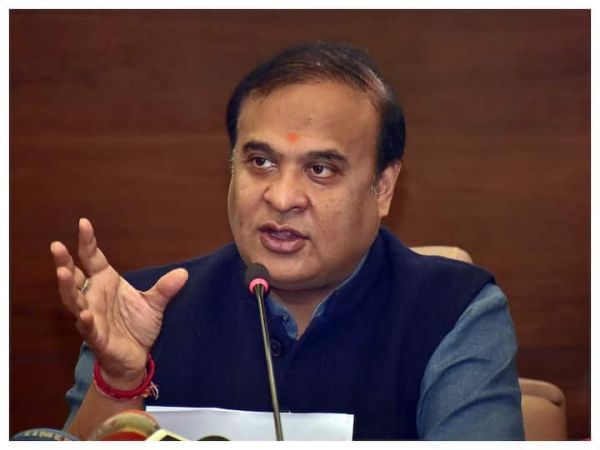
Speaking in the Assembly, Assam Chief Minister Himanta Biswa Sarma said the Bill was a step toward adopting a Uniform Civil Code (UCC). “I promise that if I return as CM, I will bring UCC in my next term. You may try to stop me, but if you can’t, I will bring UCC,” he said.
You Might Be Interested In
The Indian National Congress, AIUDF, CPI(M), and Raijor Dal sought several amendments and demanded that the Bill be sent to a Select Committee. After hours of debate, Congress and Raijor Dal withdrew their demands following assurances from the Chief Minister, while the AIUDF and CPI(M) continued to oppose the Bill.
Meanwhile, APCC President and MP Gaurav Gogoi highlighted the diversity of India when asked about the issue of polygamy. “India has a rich folk culture with numerous tribes, each with their own customs and languages. The BJP has one agenda—to end the customs of different communities, whether Adivasis or Bodos. Their intention is I ours is many,” he said.
The BJP has hailed the decision as a milestone for the state. “This law will empower women and give them respect. Some people marry multiple times, creating a population disaster. This supports the idea of Beti Bachao, Beti Padhao and will empower more women,” a party spokesperson said. She alleged that one particular religion practices polygamy, leading to a population rise in the state—remarks that triggered uproar in the Assembly, with Muslim MLAs condemning the targeting of their community.
Chief Minister Sarma argued that while the judicial system already has provisions against polygamy, the Muslim Personal Law (Shariat) Application Act, 1937 shields Muslim men from these provisions, necessitating a separate state law.
-
Bangladesh Blames Sheikh Hasina For 2009 Mutiny Massacre; Accuses India Of 'Weakening Army'

-
Arsenal's next five fixtures compared to Man City and Chelsea in Premier League title race

-
How to Choose the Right IVF Center for Your Needs

-
"I personally don't think so": Joe Root questions need for Pink-Ball Test in upcoming Ashes clash

-
Andre Russell retires from IPL, assigned new role at KKR