Answer:
Sweet fruits such as ripe mango, jackfruit, longan and durian contain relatively high amounts of fructose. When the body consumes excessive fructose over time, the liver must work harder to metabolize it, converting that sugar into energy and some into stored fat. Chronic liver overwork can lead to fat accumulation in liver cells, which in turn may cause non-alcoholic fatty liver disease and raised liver enzymes, especially in people already at risk (overweight individuals, those with high blood lipids, or people with diabetes).
|
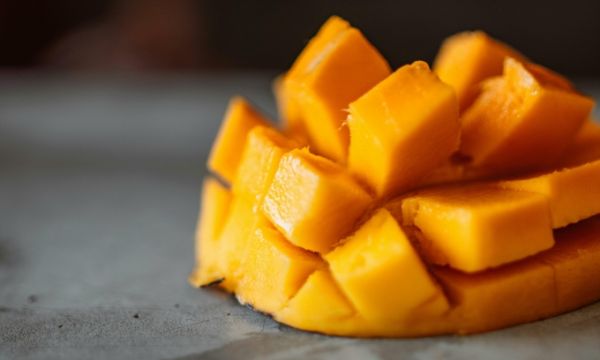
Sliced mango cubes on gray surface. Illustration photo by Pexels |
A typical serving of sweet fruit (about 200–300 grams) supplies roughly 150–250 kcal, the equivalent of about three to five teaspoons of sugar. Eating two to three such servings daily, particularly at night or after carbohydrate- and fat-heavy meals, increases the chance the liver will store excess fat. Over time this pattern can contribute to higher liver enzyme readings, raised blood sugar and an elevated risk of non-alcoholic fatty liver disease.
You may not need to eliminate fruit entirely, but you should control portion size and timing. Practical suggestions include:
– Limit sweet fruits to about one serving per day, and eat them in the morning or early afternoon, when the body more readily uses the energy.
– Rotate in lower-sugar fruits like apples, pomelo, dragon fruit, melon and guava to reduce fructose load.
– Avoid eating sweet fruit immediately after a heavy dinner or combining it with sweetened condensed milk or sugary yogurt, which adds extra sugar.
If you already have elevated liver enzymes, fatty liver, diabetes or obesity, cutting back on very sweet fruits will help reduce liver stress. Try fruit salads mixed with chia seeds, nuts or unsweetened yogurt to slow sugar absorption and improve metabolic response.
Broader lifestyle measures are important: follow a balanced, vegetable-rich diet, limit added sugars and saturated fats, and maintain regular physical activity. Regular follow-up with a gastroenterologist or nutrition specialist is advisable to monitor liver function and receive tailored dietary guidance.
Some natural extracts, for example, S. marianum (milk thistle) and wasabia, may enhance detoxification, lower liver enzyme levels, and support recovery from hepatitis and fatty liver.
Dr. Nguyen Anh Duy Tung
Tam Anh General Clinic in Ho Chi Minh City’s District 7
-
Nagaland Statehood Day 2025: 7 Extraordinary Cultural Traditions That Truly Set The State Apart

-
Why e-Vitara Is A Born EV: Maruti's Partho Banerjee Explains Constraints Of ICE Platforms

-
NSE, BSE Holiday List December 2025: Markets Shut For 9 Days, Check Complete Calendar

-
JEE Main 2026: Application Form Correction Window Open at jeemain.nta.nic.in, Know How to Make Changes

-
India Has Lived Democracy: PM Modi Ahead Of Parliament Winter Session
