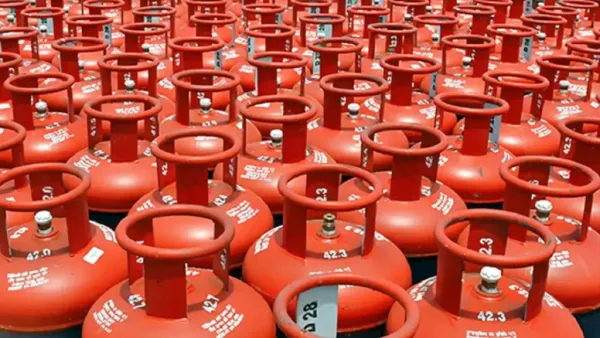
The use of LPG in Indian homes is increasing rapidly. The Energy Ministry report suggests that the total domestic LPG consumption reached 31.3 million metric tonnes in 2024-25. This figure not only reflects the increasing needs of the people, but is also a proof of the national campaign to adopt clean fuel.
Threefold increase in two decades
The use of LPG has almost tripled in the last 20 years. In the year 2004-05 it was only 10.2 million tonnes, which reached 16.3 million tonnes by 2013-14. But the real boom came in the last decade – it has now more than doubled to 31.3 million tonnes. Energy expert Dr. R.K. “This change is a result of the rapid transition from traditional chulhas to gas stoves in rural India,” says Sharma.
What are the main reasons?
Government initiatives are a major reason for this increase. Pradhan Mantri Ujjwala Yojana provided LPG to millions of homes by giving free connections to poor families. So far, more than 10 crore new connections have been distributed, most of which are in the names of rural women. In addition, the capacity of refineries increased and the warehouse-distribution network expanded. outcome? Lack of refills is now a thing of the past.
Effect of relief in prices
Cheap gas also boosted consumption. Domestic cylinder prices are stable, but commercial cylinders are continuously becoming cheaper. This month, Indian Oil reduced the price of 19 kg commercial cylinder by Rs 10. It is now Rs 1,580.50 in Delhi, Rs 1,684 in Kolkata, Rs 1,531.50 in Mumbai and Rs 1,739.50 in Chennai. This is a sigh of relief for hotel and dhaba owners.
Why does this change matter?
Clean cooking gas is reducing the problem of smoke, which was a major threat to the health of women and children. According to the World Health Organization, smoke from traditional chulhas causes millions of deaths every year. Adoption of LPG reduces pollution, saves forests and saves time. Economy also benefits – Domestic production is increasing to reduce dependence on imports.
-
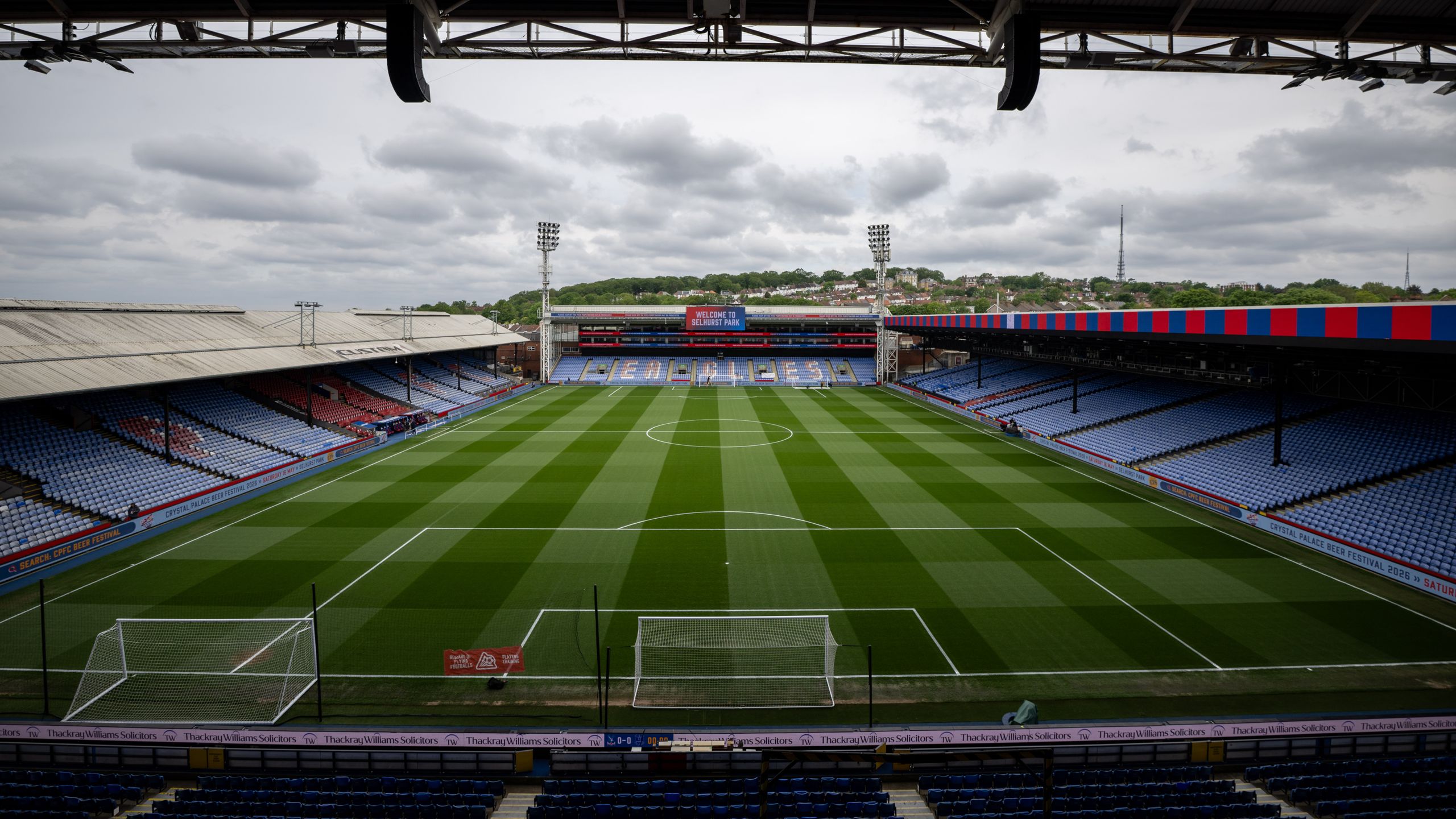
Can Crystal Palace win another major trophy? 2026-27 season preview
-
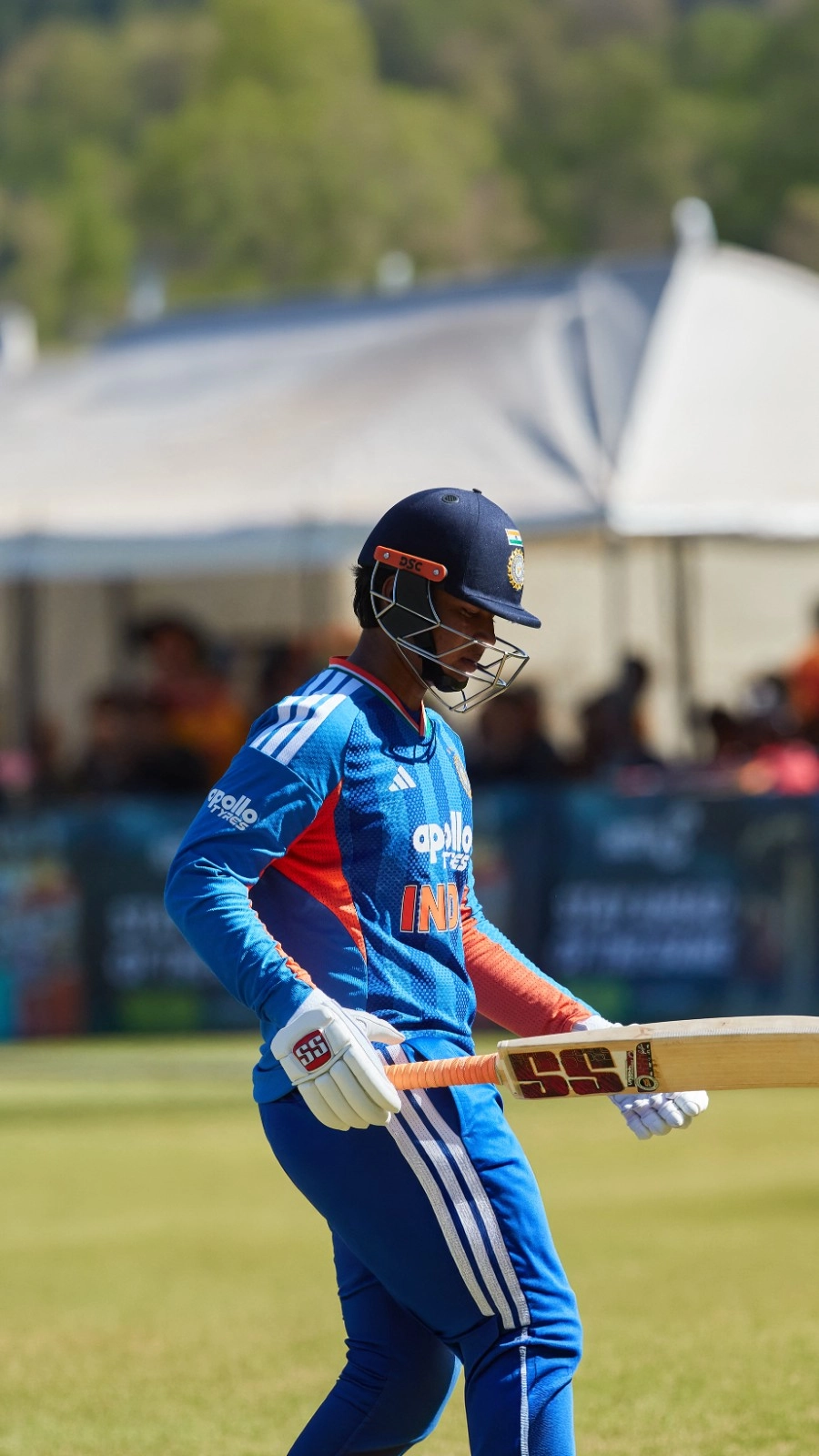
Former India cricketer weighs in on Vaibhav Sooryavanshi's appointment as East Zone vice-captain
-
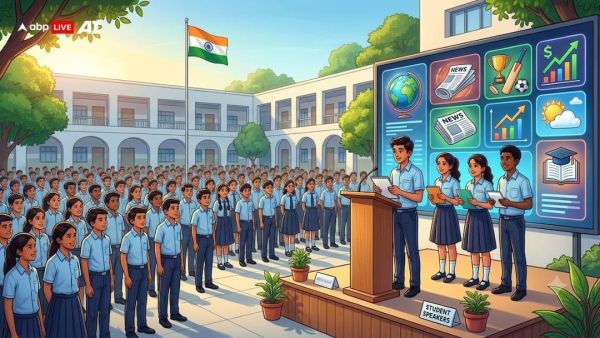
School Assembly News Headlines Today August 4, Top National, International, Sports, Business News
-
Bizarre free-agent twist: tenth-tier club Flixton FC deny Jadon Sancho rumours

-
Why Eddie Howe belongs to an elite group with Pep Guardiola, Jurgen Klopp and Kevin Keegan