Maintaining a healthy liver is vital for overall well-being because this organ performs some of the body’s most complex and essential functions. From producing proteins, cholesterol, and bile to storing vitamins, minerals, and carbohydrates, the liver is constantly at work. It is also responsible for breaking down toxins such as alcohol, medications, and metabolic byproducts. Supporting this organ through diet is one of the simplest yet most powerful ways to reduce inflammation, protect against fat accumulation, and improve liver enzymes.
Explore 10 scientifically backed foods that can help strengthen liver function, along with the nutrients that make them effective and the daily habits that contribute to lasting liver health.
10 Liver-friendly healthy foods
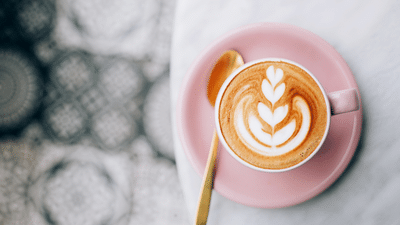
Coffee
Coffee is widely recognised as one of the most beneficial beverages for protecting the liver. Research repeatedly shows that regular coffee consumption can lower the risk of chronic liver disease, cirrhosis and even liver cancer. Studies suggest that drinking three cups a day delivers the most significant benefits. Coffee appears to work by preventing fat and collagen build-up, two key factors involved in the development of liver disorders. It also helps boost glutathione levels, an antioxidant that neutralises harmful free radicals and protects cells from oxidative damage. These combined effects make coffee a powerful ally in supporting liver health.
Green Tea
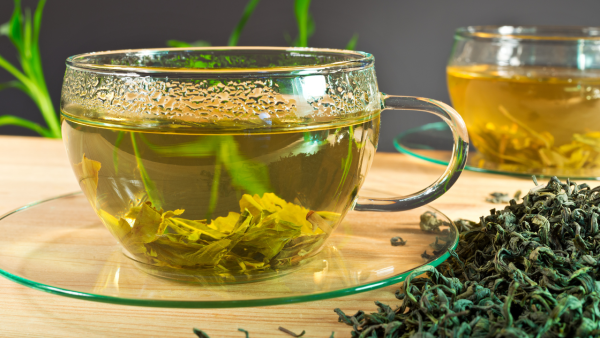
Tea, especially green tea, has been closely linked with improved liver function. Several clinical reviews show that green tea can help lower levels of liver enzymes in individuals with non-alcoholic fatty liver disease. Research also indicates a reduced risk of liver cancer among people who drink multiple cups daily. Green tea extract has been used in studies to measure changes in ALT and AST enzymes, with positive outcomes. However, supplements should be used cautiously, as concentrated green tea extract has been associated with rare cases of liver injury. Drinking brewed green tea remains the safest and most beneficial approach.
Grapefruit Antioxidants
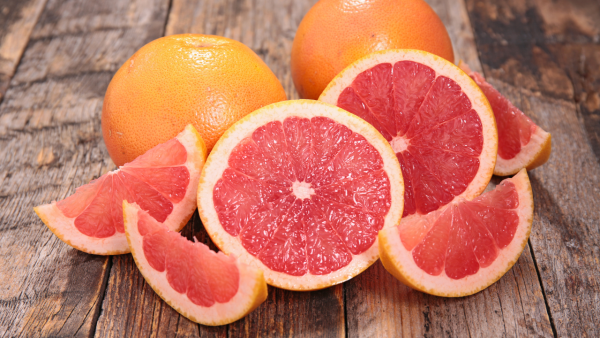
Grapefruit is rich in the antioxidants naringin and naringenin, both of which support the liver by reducing inflammation and protecting cells from damage. These compounds have shown promise in studies for helping slow the progression of hepatic fibrosis, a condition that develops after long-term inflammation and results in excessive connective tissue in the liver. Although most findings stem from animal research, current evidence indicates that grapefruit may help minimise liver damage and oxidative stress when consumed as part of a balanced diet.
Blueberries and Cranberries
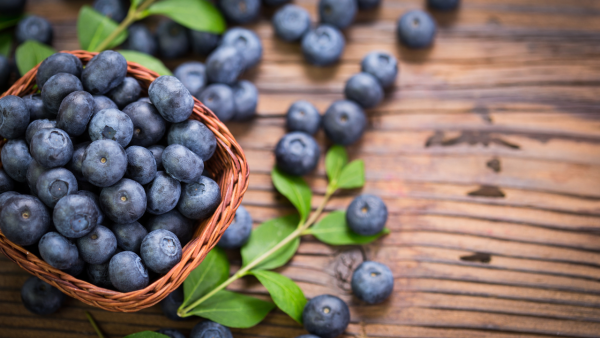
Blueberries and cranberries contain anthocyanins, powerful antioxidants responsible for their vibrant colour and health-boosting properties. Studies show that regular intake of these berries may help decrease fat build-up in the liver and improve markers of liver disease. Cranberry supplementation has even demonstrated improvements in fatty liver among individuals with NAFLD. Laboratory research also suggests that blueberry extract may reduce the growth of liver cancer cells, although more human studies are needed. Adding these berries to your daily meals can help ensure your liver receives a rich supply of protective antioxidants.
Grapes
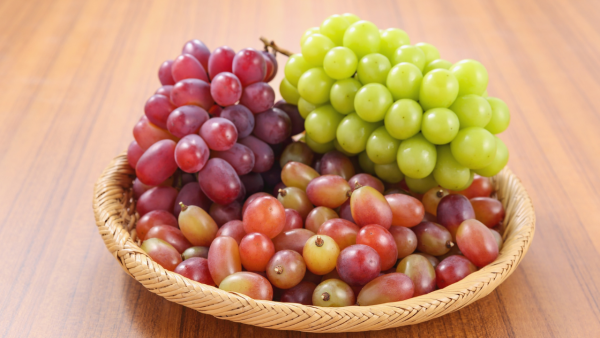
Red and purple grapes contain a wide range of plant compounds that can positively influence liver health. Research in animals shows potential benefits such as lowering inflammation, preventing cell damage and raising antioxidant levels. However, human studies have produced mixed results, with some showing little effect on liver enzymes. While grapes remain a nutritious choice, more evidence is needed before recommending grape seed extract solely for liver support. Still, enjoying whole grapes may contribute to overall antioxidant intake and help reduce oxidative stress on the liver.
Beetroot juice
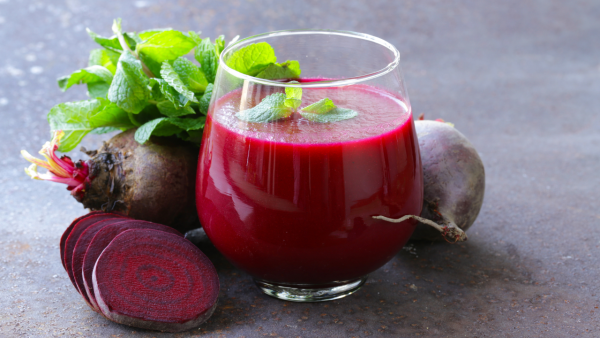
Beetroot juice provides natural nitrates and betalains, which have strong antioxidant and anti-inflammatory effects. Animal studies highlight its ability to reduce oxidative damage in the liver, suggesting potential long-term protective benefits. Although human research is limited, beetroot juice remains a nutrient-dense drink that may support overall liver health through improved blood flow and reduced inflammation.
Cruciferous vegetables

Cruciferous vegetables such as broccoli, kale, cabbage, cauliflower and Brussels sprouts are high in fibre and contain potent plant compounds that support the liver’s detoxification processes. Studies show that these vegetables can help the body neutralise harmful chemicals and reduce the risk of liver damage. Animal research demonstrates fewer liver tumours and reduced fat accumulation in subjects fed broccoli. While human studies are still developing, including more cruciferous vegetables in your diet is a reliable way to strengthen liver function.
Nuts

Nuts are rich in healthy fats, vitamin E, antioxidants and bioactive compounds that contribute to improved metabolic and liver health. Research suggests that diets high in nuts may help reduce the risk of non-alcoholic fatty liver disease. Although more extensive studies are required, the existing evidence highlights nuts as an important food group for supporting liver enzymes and reducing inflammation.
Fatty Fish

Fatty fish such as salmon, mackerel and sardines are excellent sources of omega-3 fatty acids, known for their anti-inflammatory properties. Studies indicate that omega-3 intake can help decrease liver fat, lower triglycerides and improve liver markers in those with fatty liver disease. It is also important to balance omega-3 and omega-6 intake, as diets disproportionately high in omega-6 fats can promote inflammation. Reducing processed oils while increasing fatty fish intake can help restore a healthier ratio and support liver function.
Olive Oil
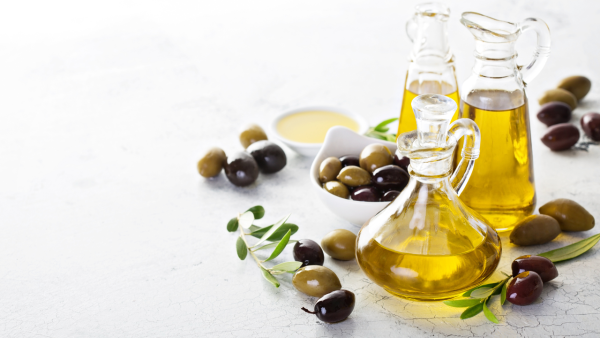
Olive oil, a central component of the Mediterranean diet, is rich in monounsaturated fats and antioxidants that contribute to improved metabolic and liver health. Research shows that regular consumption of olive oil can reduce fat accumulation in the liver, improve enzyme levels and support heart health. Since fat build-up is an early stage of liver disease, incorporating olive oil into daily meals can help lower the risk of progression and protect overall well-being.
What makes food good for your liver
Foods that benefit the liver typically contain antioxidants that reduce inflammation and minimise oxidative stress. Many are also high in fibre, which helps regulate body weight and supports efficient detoxification processes. Others provide healthy fats or protein that assist in managing conditions linked to liver disease, such as insulin resistance and type 2 diabetes. Adding nutrient-dense foods to your meals is one of the most effective ways to maintain a strong, healthy liver.
Also Read |
-
Snoring in your sleep? These can be warning signs of 4 serious health problems

-
Is there pain in the toe? Skip the expensive medicines and try this green leaf you have in your kitchen:
-
High-profile divorces that stunned fans this year

-
Use Multani Mitti in this way during cold season, skin will not become too dry…

-
Why Elphaba Is Gen Z And Glinda Is A Millennial