Why Not All Women Are Offered a VBAC, and What Decides It
Pregatips | December 3, 2025 3:39 PM CST
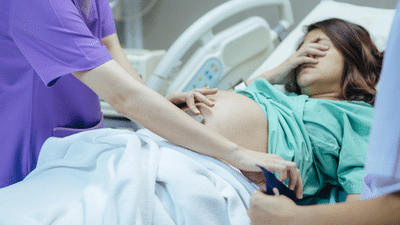
Giving birth to a baby is one of the most beautiful feelings in the world. If you have had a caesarean section earlier, you might wonder whether a natural delivery is possible this time. The answer depends on various factors. VBAC is safe for many individuals, but it's not recommended for everyone.
Let's understand the factors working behind this and why doctors sometimes recommend against it.
What is VBAC?VBAC stands for Vaginal Birth After Caesarean. It means you can have a vaginal delivery after you've had a previous caesarean section. For many individuals, a VBAC can mean:
Why Isn’t VBAC Suitable for Everyone?A VBAC isn't automatically safe for every person because it depends on how your body recovered, your current pregnancy health, and the position of your foetus. Doctors usually examine your uterine scar, medical history, and overall health before making a decision.
What Type of C-section Scar Did You Have Before?During the previous caesarean section, the type of incision made in your uterus plays a significant role here.
How Many C-sections Have You Had Before?If you've had two or more C-sections, your uterine wall may be weaker. This increases the likelihood of complications during delivery.
Many hospitals only offer a VBAC after one previous C-section and under close observation.
What’s the Time Gap in Your Pregnancies?The amount of time it takes for your uterus to heal also plays a major role. A gap of less than 18 months between pregnancies may increase the likelihood of the wound not healing completely, making VBAC unsafe.
Are There Other Pregnancy Complications?Your current pregnancy also influences your eligibility. Doctors might not suggest VBAC if:
Is the Hospital Equipped for an Emergency C-section?Even if you're eligible for VBAC, it should only be performed where emergency surgical care is available. Labour is an unpredictable scenario. If complications arise, a quick response can save both of you and the baby.
How Do Doctors Decide Your Eligibility?Before offering a VBAC, your doctor will carefully review several factors - your surgical histories, including the type of incision and recovery details.
What Are the Risks of VBAC?A lot of individuals have successful VBACs, but there are still some things to keep in mind:
How to Improve Your Chances of Eligibility?If your doctor thinks you’re good to go, here’s how to get ready:
When to Call Your Doctor Right Away?During pregnancy, you should reach out to your doctor immediately if you experience:
What Are the Further Steps?
Social & Emotional FactorsDeciding between VBAC and another C-section is tough, not only in terms of medical situations, but also for your emotional health. If you feel confused, pressured, or even guilty about the choices you make, share your feelings with your partner and doctor. A supportive environment helps reduce stress and makes the birth experience more positive, no matter how you deliver.
Every pregnancy is different, which is why every individual won't be recommended for a VBAC. Factors such as your past C-section scar, hospital safety, and the time between pregnancies are major considerations here. The best approach is to stay informed, discuss your options with your doctor, and make a decision that prioritises both your safety and that of your baby.
Remember, whether it's a C-section or a normal delivery, you must only focus on a healthy delivery.
Whether you’re pregnant, a new mom, or navigating postpartum, you don’t have to do it alone. Join our support group to connect, share, and support one another.
FAQs on Why Not All Women Are Offered a VBAC, and What Decides ItCan I have a VBAC after an emergency C-section?
Yes. If the reason for your past C-section isn't likely to happen again and your scar isn't an issue, you may still be eligible for VBAC.
What is the success rate of VBAC?
On average, 60 to 80% of individuals who attempt VBAC have a successful normal delivery.
Can I plan a VBAC at home?
No. VBAC should only be attempted in a hospital ready with emergency surgery and continuous monitoring to ensure safety for both the mother and the baby.
Let's understand the factors working behind this and why doctors sometimes recommend against it.
What is VBAC?VBAC stands for Vaginal Birth After Caesarean. It means you can have a vaginal delivery after you've had a previous caesarean section. For many individuals, a VBAC can mean:
- You can get back to normal faster than if you had any other surgery
- Less possibility of getting infected or facing excessive blood loss
- Soon after giving birth, you can focus on bonding with your baby
Why Isn’t VBAC Suitable for Everyone?A VBAC isn't automatically safe for every person because it depends on how your body recovered, your current pregnancy health, and the position of your foetus. Doctors usually examine your uterine scar, medical history, and overall health before making a decision.
What Type of C-section Scar Did You Have Before?During the previous caesarean section, the type of incision made in your uterus plays a significant role here.
- A side-to-side cut or lower transverse incision is the safest and most common approach for VBAC
- Classical or vertical incision increases the likelihood of uterine rupture
How Many C-sections Have You Had Before?If you've had two or more C-sections, your uterine wall may be weaker. This increases the likelihood of complications during delivery.
Many hospitals only offer a VBAC after one previous C-section and under close observation.
What’s the Time Gap in Your Pregnancies?The amount of time it takes for your uterus to heal also plays a major role. A gap of less than 18 months between pregnancies may increase the likelihood of the wound not healing completely, making VBAC unsafe.
Are There Other Pregnancy Complications?Your current pregnancy also influences your eligibility. Doctors might not suggest VBAC if:
- Your placenta is covering the cervix (placenta previa)
- You’ve gestational diabetes
- The baby is in a transverse or breech position
- High blood pressure or preeclampsia
- Multiple pregnancies
Is the Hospital Equipped for an Emergency C-section?Even if you're eligible for VBAC, it should only be performed where emergency surgical care is available. Labour is an unpredictable scenario. If complications arise, a quick response can save both of you and the baby.
How Do Doctors Decide Your Eligibility?Before offering a VBAC, your doctor will carefully review several factors - your surgical histories, including the type of incision and recovery details.
- How big your baby is and how they’re positioned
- Your health during pregnancy
- The availability of round-the-clock emergency care
What Are the Risks of VBAC?A lot of individuals have successful VBACs, but there are still some things to keep in mind:
- Your uterus could rupture, which is a rare but extremely serious condition (happens in about 1 in 200 cases)
- You might need an emergency C-section. About 20 to 40% of VBAC attempts end up needing another C-section.
- Infection or heavy bleeding, which isn't very common but can still occur
How to Improve Your Chances of Eligibility?If your doctor thinks you’re good to go, here’s how to get ready:
- Keep a healthy weight during pregnancy
- Do safe prenatal exercises to stay active
- Attend antenatal lessons to learn about the scenarios
- Discuss everything and clear your doubts with your doctor
When to Call Your Doctor Right Away?During pregnancy, you should reach out to your doctor immediately if you experience:
- Feeling dizzy and blacking out
- Severe abdominal pain or frequent contractions
- Discharge of fluid or vaginal bleeding
- A major decrease in the movement of your foetus
What Are the Further Steps?
- Ask your doctor about the type of your uterine scar
- Ensure the hospital is prepared to handle emergencies
- Clear your doubts on the positive and negative scenarios of VBAC and repeat C-sections
- Never miss any of your prenatal visits
- Openly discuss everything with your partner and loved ones
Social & Emotional FactorsDeciding between VBAC and another C-section is tough, not only in terms of medical situations, but also for your emotional health. If you feel confused, pressured, or even guilty about the choices you make, share your feelings with your partner and doctor. A supportive environment helps reduce stress and makes the birth experience more positive, no matter how you deliver.
Every pregnancy is different, which is why every individual won't be recommended for a VBAC. Factors such as your past C-section scar, hospital safety, and the time between pregnancies are major considerations here. The best approach is to stay informed, discuss your options with your doctor, and make a decision that prioritises both your safety and that of your baby.
Remember, whether it's a C-section or a normal delivery, you must only focus on a healthy delivery.
Whether you’re pregnant, a new mom, or navigating postpartum, you don’t have to do it alone. Join our support group to connect, share, and support one another.
FAQs on Why Not All Women Are Offered a VBAC, and What Decides It
Yes. If the reason for your past C-section isn't likely to happen again and your scar isn't an issue, you may still be eligible for VBAC.
On average, 60 to 80% of individuals who attempt VBAC have a successful normal delivery.
No. VBAC should only be attempted in a hospital ready with emergency surgery and continuous monitoring to ensure safety for both the mother and the baby.
READ NEXT
-
Snoring in your sleep? These can be warning signs of 4 serious health problems

-
Is there pain in the toe? Skip the expensive medicines and try this green leaf you have in your kitchen:

-
High-profile divorces that stunned fans this year

-
Use Multani Mitti in this way during cold season, skin will not become too dry…

-
Why Elphaba Is Gen Z And Glinda Is A Millennial