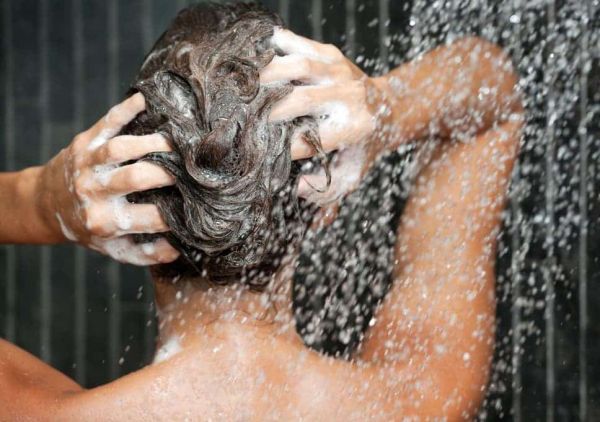
TDS water: We all know water is life. But what if the water running through your taps, the very element meant to cleanse and refresh, ends up silently harming your hair? For millions of people sharing water supplies, especially in cities with high groundwater mineral content or industrial contamination, that worry isn’t fiction.
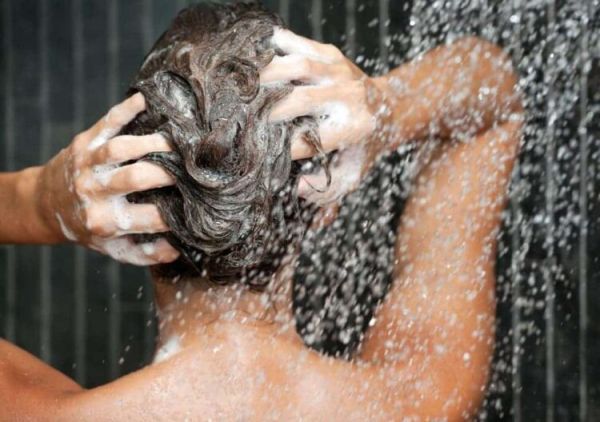
High TDS (Total Dissolved Solids) water, containing minerals like calcium, magnesium, iron or sulphates, often overlaps with what we call “hard water.” And growing evidence suggests this kind of water may be more enemy than ally to healthy hair.
If your hair has begun to feel dry, frizzy, limp or brittle, despite good hair care, it may not be shampoo or styling products to blame. The culprit could be the water itself.
Why high TDS / hard water can be trouble for hair
accumulation of minerals on the scalp and hair shaft
Hard water contains positively charged minerals (Ca²⁺, Mg²⁺, iron, sulphates) that can cling to hair cuticles and the scalp surface. Over time, these minerals accumulate as a fine film, resisting regular shampoos and conditioners.
This layer blocks moisture absorption, leaving hair dry, dull, and rough. That same film can also clog hair follicles and irritate the scalp, leading to itchiness, dandruff or flare-ups of dryness or eczema-like conditions.
Reduced moisture and elasticity, breakage and frizz
Mineral deposition disrupts the hair’s natural ability to retain moisture. As a result, hair becomes brittle and more likely to break, tangle, and split ends.
One controlled study demonstrated that hair strands exposed repeatedly to hard water lost tensile strength compared to hair washed in soft or deionised water. That means regular exposure to mineral-heavy water doesn’t just affect appearance; it quietly degrades hair structure and resilience.
Impaired cleansing and product effectiveness
Another issue: hard water makes it hard for soap or shampoo to lather effectively. The minerals react with shampoo ingredients to form “soap scum,” which may coat the hair and scalp.
This decreases the capacity of conditioners, oils or treatments to enter and nourish, leaving hair feeling tough, sticky or unmanageable.
Many individuals misinterpret these symptoms as product failure or “bad hair day.” But the main problem might be water chemistry.
When excessive TDS becomes a genuine concern
In regions where groundwater is utilized for swimming, particularly if the surrounding geology is rich in limestone or minerals.
If you observe white or chalky deposits on taps, showerheads or sink edges, it is a symptom of mineral-rich water. When hair stays resistant to all washes and treatments: persistently dull, dry, breaking even after conditioning.
If your scalp feels tight, itchy or flaky after a wash. In fact, hair specialists warn that persistent exposure to high mineral water may promote telogen effluvium, a transient but widespread hair losing phase, by straining hair roots and producing excessive shedding.
That means what begins as scratchy, dull strands might result in dramatically thinning hair if the water problem isn’t addressed.
What research says and where the evidence is inconclusive
A 2018 study found that hair washed with hard water had significantly lower tensile strength than hair washed with deionised water, a strong signal that mineral-laden water weakens hair over time.
Scanning electron microscopy has showed mineral deposition on hair cuticles after repeated exposure to hard water, suggesting structural alterations at the micro level that might compound into noticeable damage.
However, not every study is in agreement. Hair elasticity and strength did not significantly change between samples cleaned with soft and hard water, according to several earlier studies.
Therefore, experts advise caution: long-term exposure, a high mineral content, and a lack of preventative care tip the scales in favor of damage, although hard water isn’t always disastrous for all hair types.
Water-wise hair protection tips for everyday use
Here are some doable actions to protect your hair if you believe your water source has high levels of TDS or minerals:
Mineral concentration is eliminated or decreased before it reaches your hair by installing a shower filter or water softener.
Using clarifying or chelating shampoos once every 2–3 weeks helps eliminate mineral buildup so hair and scalp can reset.
If you think the tap water has a lot of minerals, rinse with bottled or filtered water.
Regular deep conditioning protects hair shafts and restores lost moisture.
Steer clear of really hot water as it might expand cuticles and further remove natural oils, exacerbating dryness.
Water is more effective at cleaning than dirt.
It reaches every pore, every root, every follicle. However, when the water contains salts and heavy minerals, it subtly changes what you believe to be a simple shower. Hair gradually loses strength, smoothness, and moisture over the course of weeks or months, and sometimes the first signs of damage are written off as “normal dryness.” For those who have recurring frizz, breakage, or scalp irritation, the issue may not be with your food, shampoo, or genetics, but rather with the water itself.
The good news? You may offer your hair a greater chance of remaining strong and healthy by being conscious of the situation, making a few easy changes, using a filter, cleaning your hair occasionally, conditioning it gently, and perhaps switching to using bottled water for hair washing. Because sometimes the shower faucet is where beauty begins, rather than a salon bottle.
-
Pension Slip: Government's big decision, now pensioners will get pension slip just like salary slip..

-
Money Tips: Salary vanishes as soon as it arrives, these 5 habits will curb wasteful expenditure...

-
The Lado Lakshmi Yojana funds haven't yet been credited to your account; here's how to check your status

-
Haryana Board: No need to wander around to change name in marksheet and certificate, now change can be done directly from the board..

-
Will you become a millionaire by the age of 40? People will ask you for your secret! Just remember this formula when investing..