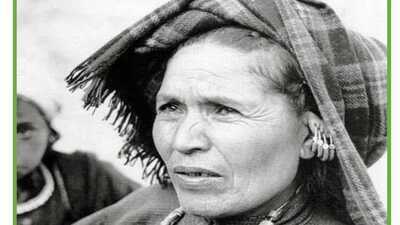
Dehradun: Uttarakhand’s Rajya Sabha MP Mahendra Bhatt has raised a significant demand — to award the Bharat Ratna posthumously to Gaura Devi, the leading voice of the historic Chipko movement.
आज राज्यसभा में विशेष उल्लेख के दौरान केंद्र सरकार से चिपको आंदोलन की अग्रणी स्वर और प्रेरणा रही स्वर्गीय गौरा देवी को भारत रत्न देने की मांग की। pic.twitter.com/pEIi8i1Wo9
— Mahendra Bhatt (@mahendrabhatbjp)
Speaking in the Rajya Sabha, Bhatt recalled Gaura Devi’s sacrifice and leadership in saving the Raini forest in Chamoli district. He described her as a rural woman of the Bhotia tribe from Raini village in the Joshimath block, who became the face of India’s environmental protection movement.
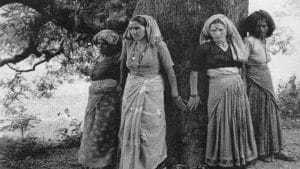
The Chipko movement, which began on March 26, 1973, involved women hugging trees to prevent deforestation. Under Gaura Devi’s leadership, villagers united against contractors who had been given rights to fell trees in 680 hectares of forest near Raini. The women clung to the trees for days, eventually driving the workers away.
Chipko movement made environmental protection a national issueBhatt emphasized that the Chipko movement made environmental protection a national issue, spreading to states like Himachal Pradesh, Karnataka, Rajasthan, and Bihar. As a result, the Indian government banned tree felling in Himalayan states for 15 years. “The Chipko movement is the story of Gaura Devi’s struggle,” Bhatt said.
Movement continues to inspire environmental activism worldwideThe movement, now 51 years old, continues to inspire environmental activism worldwide. Its echoes were heard not only in Uttarakhand but also in Delhi and beyond, making Gaura Devi a symbol of grassroots resistance and ecological awareness.
What was the Chipko Movement?In 1973, the Forest Department auctioned the Peng Murenda forest near Raini village to a Rishikesh-based contractor for Rs 2.75 lakh. Local women, who depended on the forest for fuel and fodder, opposed the move. Led by Gaura Devi, they organized a meeting and decided to protect the forest. By hugging the trees and refusing to leave, they forced the contractor’s men to retreat.
This act of courage became known as the Chipko Movement (“chipko” meaning “to cling”), and it soon gained national and international attention.
Highlights the need to recognize Gaura Devi’s contributionBhatt’s demand in Parliament highlights the need to recognize Gaura Devi’s contribution with the country’s highest civilian honor. Environmentalists and social activists have long regarded her as a pioneer of eco-feminism and community-led conservation.
-
Mumbai Horse Racing: Unfancied Jaandaar Shocks Field In Brilliant Maiden Victory

-
Derby major incident LIVE: 200 homes evacuated as bomb squad swarm over 'explosive fears'

-
In which cities will Bharat Taxi operate, and how much cheaper will a ride cost than Ola or Uber?

-
Avoidant Attachment Style: Why It Happens and How to Build Healthy Bonds

-
World's 8 most active volcanoes you can hike legally on your next travel escape