Highlights
- OnePlus 13 vs Galaxy S26 vs iPhone 17 shows three unique strengths: raw power and battery dominance for OnePlus, balanced AI-driven performance for Samsung, and unmatched ecosystem smoothness for Apple.
- OnePlus focuses on hardware excellence, Galaxy S26 prioritizes compact design and AI features, while iPhone 17 leads in long-term reliability and camera consistency.
- Overall, OnePlus suits power users, Galaxy S26 is ideal for future-ready Android buyers, and iPhone 17 delivers the most polished everyday experience.
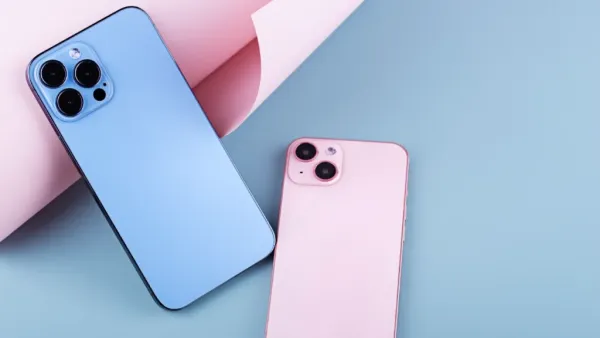
Late 2025 has become one of the most electrifying years for smartphones. As a result of several months of leaks from specs and information, and then, of course, launches, we now have three flagship smartphones that are much more in the conversation: the OnePlus 13, the Samsung Galaxy S26, and the Apple iPhone 17.
Each flagship sits atop its ecosystem: OxygenOS’s speed and efficiency, along with brute-force power; Samsung’s excellent hardware-software optimization using Galaxy AI; and Apple’s deeply integrated “Apple Intelligence” vision built into its A19 Bionic. But when all specs, features, and use-life experiences collide, which is the flagship timepiece?
This article should provide a deep-dive, features-style comparison across core pillars: design, display, performance, camera performance, battery life, AI features, long-term software support, and ecosystem value – whilst keeping paragraphs compact, a smooth narrative, and a few bullet points for increased friendliness to read.
A Quick Glimpse at Their Identities
Before focusing on a category breakdown, it’s helpful to contextualize the comparisons by understanding what kind of flagship each phone aims to be.
The OnePlus 13 wants to brand itself as the pure performance flagship, with a commanding focus on battery life, fast charging, and consistent Hasselblad camera performance. It remains the value flagship for those who want the maximum available hardware or specifications without passing the psychological price edge of truly ultra-premium flagship phones.
The Samsung Galaxy S26 is all about advanced AI capabilities and refined camera processing, as well as Samsung’s first step into longer support cycles. Even though the device was not announced as of writing, the leaks portray a consistent enough picture to warrant a fair enough look. The device should be compact yet powerful, designed for those who want a premium build, a reliable image, and a solid Android ecosystem.
The iPhone 17 is fully leaning into Apple Intelligence. Apple’s objective is not about having the highest megapixels or the highest RAM, but rather about ensuring the smoothest, long-term performance, consistent photo quality, continuity across the overall ecosystem, and industry-leading software updates. Given that context, let’s break down each category in detail.
1. Design & Display
Late-2025 flagships are not attempting to reinvent the wheel in design, but rather to refine ergonomics, durability, and display brilliance. The OnePlus 13 has a curved-edge design and features a 6.82-inch LTPO AMOLED panel. It has QHD+ resolution and an adaptive 1-120 Hz refresh rate that allows the phone to change configuration between battery saving and smoothed motion. Additionally, HDR performance is a strength, with higher peak brightness and calibration levels improving performance. In-hand, it feels lighter than its size suggests, though the footprint may not work for everyone.
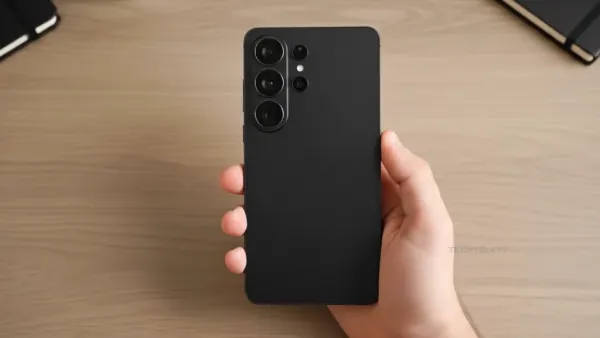
The Galaxy S26 seeks a compact size while delivering premium quality. Its expected display size is in the 6.1–6.3 inch range. Samsung maintains the industry-leading dynamic AMOLED panels often with excellent colour accuracy, high brightness, and deep, true blacks. The size is more manageable than the OnePlus position on device size, but it’s still a viable option for users looking for a compact flagship without sacrificing display quality.
The iPhone 17 continues to feature a 6.3-inch ProMotion OLED panel, which offers the same 1–120 Hz adaptive refresh rate and colour fidelity that is incredibly close to true. With a new generation of Ceramic Shield, the phone is more durable. Apple’s display is not concerned with who has the most numbers, but rather with calibration consistency, ease of readability in bright outdoor settings, and an extraordinarily smooth experience in motion, with animations feeling effortless.
Display verdict:
- Best size & immersion → OnePlus 13
- Best compact rich → Galaxy S26
- Best colour accuracy & smooth enough UX → iPhone 17
2. Performance & Daily Responsiveness
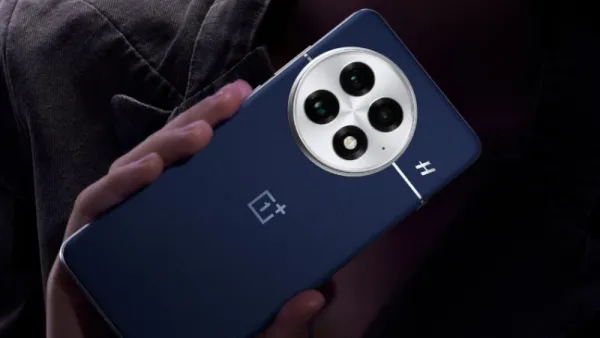
This is where all three flagships differ wildly in their philosophies. The OnePlus 13 uses the Snapdragon 8 Elite, which you can pair with up to 24 GB of RAM and 1 TB of storage. It is blatantly obvious who that product is for, meaning heavy users, gamers, multitaskers, and power users who always have dozens of apps open and want that instant reaction time.
All of that power is definitely on display, and OxygenOS 15 is a lightweight choice compared to many other Android forks, allowing the performance hardware actually to stretch its legs. For applications that really demand the CPU, like gaming (like Genshin Impact and BGMI) and AI Image creation, the phone really lags in comparison.
The Galaxy S26 (expected) will feature Qualcomm in some regions and Samsung’s Exynos 2600 in others. The system-on-chip and system software are both heavily optimised for Samsung’s AI-based workflows. Although the raw numbers seem a bit lower than Snapdragon, Samsung optimizes for reasonable raw performance with tighter thermal management and power delivery to achieve better performance-to-value.
Swapping between apps and using them in everyday situations feels stable, reliable, and predictable – great for users who care about general, reliable performance over raw benchmark numbers.
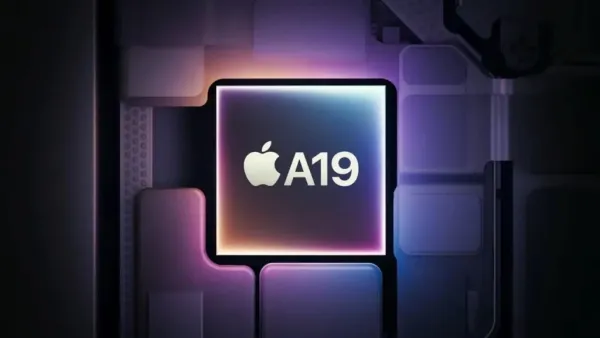
Next, the iPhone 17 uses its A19 Bionic processor and is similarly optimized for on-device intelligence tasks. The whole system (including its neural engine) accelerates tasks, including translation, image processing, summarisation, Siri-oriented workflows, and generative AI tasks, directly on the device, in no time.
The RAM management on Apple systems running iOS is very efficient, and even when iPhones have seemingly low or mediocre RAM (compared to other brands), the experience with multitasking and app usage is smoother than those numbers may suggest. The bottom line is that the iPhone pulls ahead – specifically, in long-term performance and smoothness after years of use.
Performance verdict:
- Raw power & RAM strength → OnePlus 13
- More balanced thermals and reliable performance long term → Galaxy S26
- Longevity and smoothness for passing performance apps → iPhone 17
3. Camera Capabilities & Imaging Output
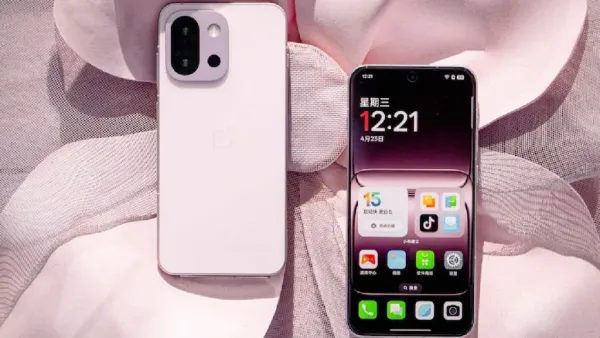
For 2025, camera battles are less about simply megapixel increases and more about computational photography. The OnePlus 13 features a triplet of 50-megapixel cameras tuned to the Hasselblad colour standard. The primary 1-in-class LYT-808 sensor is especially effective during the day and in controlled lighting.
The periscope zoom is handy for photographing subjects at a distance, and the ultra-wide camera maintains sharpness, with only mild distortion. For video professionals, 8K video at 30 frames per second and Dolby Vision provide a valuable level of versatility. Where OnePlus occasionally falters is consistency: in some lighting situations, it sometimes over-processes colours, especially skin tones.
The Galaxy S26 (speculated) follows Samsung’s bold colour science tradition, slightly punchier than the 12. The new primary sensor, the base 50 MP sensor, has a new ISP and should boast faster multi-frame processing. The telephoto cameras should be better than the previous generation, especially in making zoom images sharper. The brand is known for its excellent performance in low light and indoors, largely thanks to aggressive AI stacking.
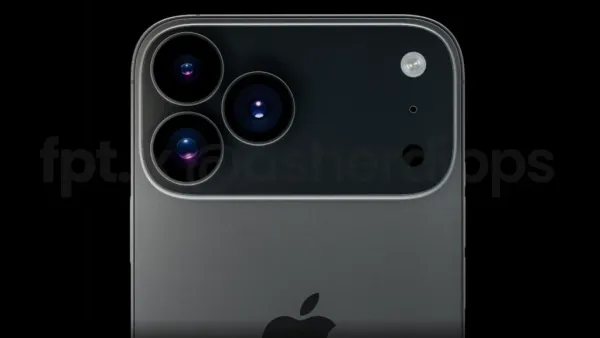
The iPhone 17 uses a dual 48 MP system, but this does not confer superiority in computational finesse. Apple achieves effortless colour accuracy, especially for skin tones. Ideal for professional use, Apple provides cinematic video, stabilisation, and Dolby Vision HDR.
Among all three phones, the iPhone stays closest to what looks like professional video. The front camera is easier to process and more natural, making it a go-to for vloggers and influencers.
Judgement on camera
- Best hardware versatility (zoom + sensor size) → OnePlus 13
- Best overall consistency, video quality & skin tones → iPhone 17
4. Battery Life & Charging Experience
When you look into battery choice, it hints at the brand’s priorities. OnePlus 13 has a ginormous 6000 mAh silicon-carbon battery, well above the typical flagship size. And paired with 100 W wired and 50 W wireless charging, this phone is catered to power users who love apps, games, or too-high brightness on scroll speed. There is no contest: being able to charge to 0 or so, or to about half the battery usage time in minutes. Fastest charging of all three!
The Galaxy S26 is expected to have a smaller battery, about 4300–5000 mAh (depending on model). Samsung has generally favoured compact design over capacity. Their battery optimising and adaptive refresh features allow users to get through a full day of use from a battery rating designed for moderate use. Charging is also considered a moderate suggestive volume of charge use – a less dying old trick of letting batteries die, which also keeps the battery charging and worrying about long-term use life (like 100 W charged batteries).
The iPhone 17 should focus heavily on real-world use and be described again as a use of ‘real-world’ rather than battery size. Charging may not have the fastest charging rates, but it certainly provides very fast top-ups, with 10 minutes giving several hours of use (definitely). All in all, after many uses of the phone, and even with Apple’s Bionic 19 chip proving to be cleaner and often smoother-running, battery health in the long term is without doubt still the best of all three.
Summary rating on battery:
- Most powerful battery in range & charging size – OnePlus 13
- Balanced endurance in compact form → Galaxy S26
- Best dynamic range in low light shooting → Galaxy S26
- Top long-term battery health & efficiency → iPhone 17
5. AI, Software, and Longevity
2025 was the year when AI became an essential differentiator between smartphones. The OnePlus 13 features an updated AI engine in OxygenOS 15 that, to be fair, adds valuable features, including summarisation, scene optimisation, and improved photographic processing. This is helpful, but still pales in comparison to what we see available from Samsung and Apple once again. The four-major-OS-update cycle is decent, but it doesn’t compare to the best-in-class.
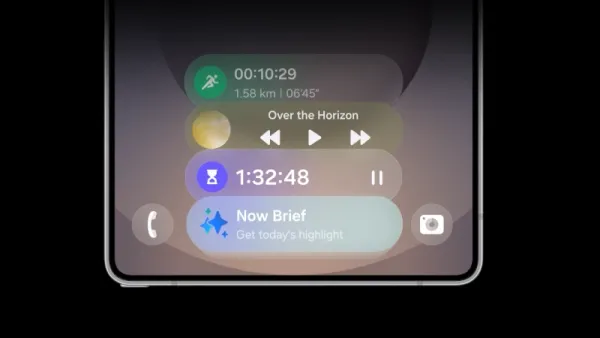
The Galaxy S26 will expand Galaxy AI further and deeper into the ecosystem, including live translation of conversations, summarisation for meetings and conversations, transcription for meetings and discussions, generative editing tools for photos and video, and integration with Samsung Tablets and laptops. The openly stated promise of robust long-term OS and security updates makes the S26 one of the most future-friendly Androids.
The iPhone 17 is the face of Apple Intelligence. On-device generative models underpin numerous writing tools, image generation, multimodal personal Siri recommendations, memory-based suggestions, app-level AI-automated actions, and actions incorporated into usage history. What is reassuring is that Apple is also privacy-preserving. Apple’s focus on privacy will foster trust among end users, and It has a long-standing reputation for software longevity. Outcome on AI & software.

- Best practical day-to-day AI tools provided by → iPhone 17
- Best Android AI ecosystem + long update cycle → Galaxy S26
- Fast and clean does not provide as many long-term features → OnePlus 13
6. Ecosystem Value – Which is based on more than just a specs sheet
This is where long-term satisfaction with a smartphone is established.OnePlus 13 functions best as a stand-alone device. Although OnePlus has enhanced integration with smartwatches and tablets, the ecosystem is not as sophisticated as Samsung or Apple. This is a huge bonus for new phone shoppers that do not want to be locked into a system
.Galaxy S26 is designed for cross-device users. If you utilize a Galaxy Smartwatch, Galaxy Buds, or a Galaxy tablet or laptop your cross-device feature integration works great. You’ll be able to take advantage of Quick Share, Notes Sync, DeX mode, and Galaxy AI as one experience.
iPhone 17 is the epitome of a tightly integrated ecosystem. The integration of Apple AirPods, Apple Smartwatch, MacBook, iPad, iCloud, or Apple Intelligence all integrated and usable designs under a cohesive experience. Once you enter it is difficult to move on. Content creators, professions, and students are the most benefited.
Final Recommendations: Which flagship phone should you buy in late 2025?
After looking at all categories, this is the simplest summary:
If you want to choose the OnePlus 13, you will wish to:
- Maximum performance for gaming and multitasking
- Massive battery life with ultra-fast charging capabilities
- High-end flagship hardware, with the newest flagship features, at a more affordable price
- Expert camera hardware for versatility
- Clean, fast Android for a smooth experience, os usually could use some more personalization adjustments.
If you want to choose the Galaxy S26, you will wish to:
- A compact, balanced flagship phone
- Super-strong cameras in low light
- Strong software support
- Adding users will also gain the full features of Galaxy AI
If you want to choose the iPhone 17, if you desire:
- The finest overall user experience
- Reliable photography and the best video quality
- The best long-term performance with resale value
- Full-bodied Apple Intelligence features
- The strongest ecosystem for professionals and creators
Final thoughts
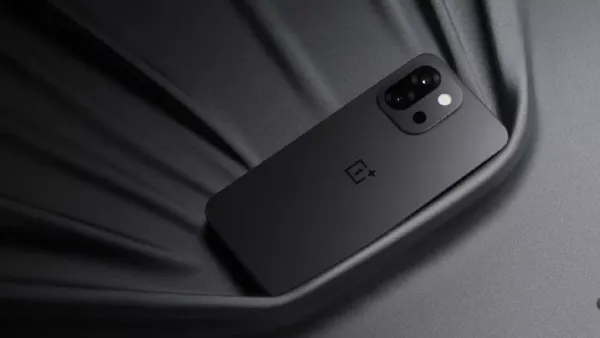
There really isn’t a best flagship, because all phones excel in their own areas. But if you are a regular user looking for long-term reliability, the ecosystem’s strengths, and AI features, the iPhone 17 is the most balanced premium flagship of 2025.
For power users, gamers, and battery-heavy users, the OnePlus 13 is still the clear winner in sheer hardware value.
And for users looking for the best Android longevity and AI ecosystem, the Galaxy S26 is the smartest, most future-ready option.
-
R Madhavan Weight Loss – Actor Reveals the Simple Habit Behind His 21-Day Transformation

-
Ayurvedic doctor said 5 home remedies to get rid of tooth decay; Bad smell in the mouth-bleeding will also go away

-
Samsung Tops Global Folding Phone Shipments In Q3: Report | Technology News

-
Cloudflare outage resolved after impacting Canva, Zerodha, Groww and other major platforms — what happened

-
Looking for an alternative to the OnePlus 15? These 4 smartphones will offer strong performance and amazing features, read the list
