Flu cases are rising across the UK, with most infections attributed to the emerging H3N2 strain - also referred to as subclade k. Latest figures from the UK Health Security Agency (UKHSA) reveal that flu transmission has now hit 'medium' levels of activity.
Data shows that laboratory surveillance of influenza has actually seen a marginal decline, with a weekly mean positivity of 13.9% in the week ending January 8 compared to the previous week. Hospital admissions are similarly at medium levels, with an overall admission rate for influenza standing at 7.19% per 100,000.
Whilst the emerging strain may trigger a range of unpleasant symptoms for the wider population, certain groups face an elevated risk of severe complications, including children, the elderly, and those with compromised immune systems. These vulnerable groups are exactly those who would benefit most from receiving a complimentary flu jab through the NHS.
NHS national medical director, Professor Meghana Pandit, said: "It's clear that the worst is far from over for the NHS this winter, with hospitals again experiencing a rise in patients admitted with flu and other respiratory virus cases last week."
She continued: "It remains important that people come forward for care as usual and there are still plenty of opportunities to get vaccinated and get protected against flu."
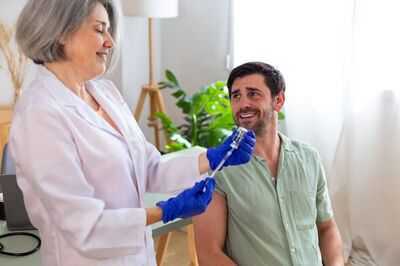
How the flu jab worksThe flu vaccine serves as a shield against severe influenza by training your immune system to identify and fight off the virus before you come into contact with it. The jab operates by introducing a small quantity of an inactivated flu virus into your body, which triggers an immune response.
Approximately 10 days after vaccination are needed for it to take effect and offer sufficient protection. It's important to remember that while the jab does contain an inactive flu virus, the vaccine itself cannot cause you to contract the flu.
UK Health Secretary Wes Streeting reinforced this point: "Flu can be serious, particularly for older people, young children and those with underlying conditions, and vaccination remains the best protection. I urge everyone who is eligible to get their flu jab as soon as possible."
Typically, only one dose of the vaccine is needed each year.
Who is eligible for the free flu jab?NHS guidelines indicate six distinct groups of people who are eligible for a free flu jab. You may qualify for the jab if you need extra protection or if someone in your household does.
This could include people who are:
- Are the main carer for an older or disabled person or receiving carer's allowance
- Aged 65 or over and those who will turn 65 by March 31, 2026
- Living in a care home
- Have certain long-term health conditions
- Living with someone who has a weakened immune system (such as someone undergoing chemotherapy)
- Are pregnant
If you qualify for a free flu jab, there are several ways to get it. For example, you can liaise directly with your GP to arrange a vaccination appointment, or you can book an appointment at a pharmacy either online or through the NHS app, provided you're 18 or older.
Some pharmacies also offer the NHS vaccine for free and accept walk-ins without the need to pre-book an appointment. However, this service isn't available at all pharmacies, but you can locate your nearest pharmacy offering the free vaccine here.
More information on the flu vaccine, including what it contains, can be found on the NHS website here.
-
Guidance to move towards success

-
Claim of 10 minute delivery removed! Now Blinkit-Zepto focuses on distance and rider safety

-
India-EU FTA in final round, Piyush Goyal said – ‘Mother of all deals’ can happen on January 27; announcement of

-
Machine worth ₹20,000 and earning ₹40,000 every month! This small business created a stir, you too should start it today

-
Kashmiri Tea: Forget ginger-clove, a cup of Kashmiri tea in winter will give peace to the heart and body.