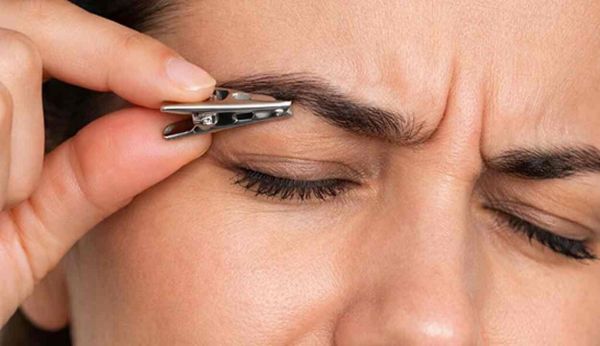
The Eyebrow Clip Migraine Trend: In recent months, a curious migraine relief method has gone viral across social media platforms. According to countless short videos and personal testimonials, placing a small hair clip or claw clip just above the eyebrow during a migraine attack can significantly reduce pain. The simplicity of this idea has attracted millions of views and hopeful users, especially those who regularly struggle with intense headaches. However, when examined closely through a medical and scientific lens, the reality behind this trend is far more complex than it appears online.
The Origin of the Eyebrow Clip Trend
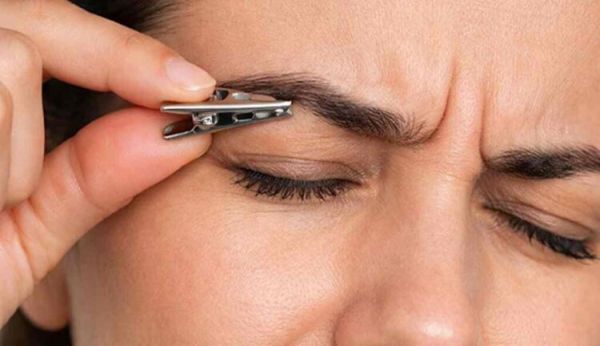
The trend largely emerged from social media platforms where users frequently share quick wellness solutions. In these videos, individuals experiencing migraine pain clip a small hair accessory above their eyebrow and claim that the pressure provides fast relief. Many say the pain fades within minutes, making the method seem almost miraculous. Because migraines can disrupt daily life, work productivity, and mental health, people are naturally drawn to anything that promises quick comfort without medication or side effects.
Why Some People Feel Temporary Relief
There is a psychological and physiological explanation for why some individuals may feel short-term comfort from this method. Applying pressure to certain areas of the face or head can create a distraction effect. This sensation may temporarily shift the brain’s focus away from pain signals. In some cases, mild pressure can also relax tense facial muscles, which may slightly reduce discomfort. However, this does not mean the migraine itself is being treated or resolved.
Medical Perspective on Migraine Mechanisms
From a neurological standpoint, migraines are not simple headaches. They involve complex changes in brain activity, nerve signaling, and blood flow. These changes can be influenced by genetics, hormonal fluctuations, stress levels, sleep patterns, and environmental triggers. Because migraines originate within the nervous system, external pressure from a hair clip cannot alter the internal processes responsible for migraine pain. This is why medical professionals remain cautious about endorsing such trends.
The Risk of Relying on Viral Health Hacks
One of the biggest concerns with viral health advice is that it can oversimplify serious medical conditions. While trying harmless techniques may seem safe, relying solely on unproven methods can delay proper diagnosis and treatment. Migraines, if left unmanaged, can become more frequent or severe over time. In some cases, they may also be a sign of other underlying health issues that require professional attention.
Evidence-Based Migraine Management Strategies
Healthcare professionals recommend approaches that are supported by long-term research and clinical evidence. Identifying personal migraine triggers is often the first step. These triggers may include bright screens, loud noises, dehydration, irregular meals, stress, or specific foods. Maintaining a consistent sleep schedule, drinking enough water, and managing stress through relaxation techniques can also play a role in reducing migraine frequency.
Treatment Options During a Migraine Attack
When a migraine occurs, resting in a dark and quiet environment is commonly advised. Many patients benefit from prescribed medications designed specifically for migraine relief or prevention. These treatments target the neurological pathways involved in migraine pain, making them far more effective than surface-level remedies. In some cases, lifestyle adjustments combined with preventive therapies can significantly improve quality of life.
Understanding the Power of Anecdotal Experiences
Personal stories shared online can be compelling, but they do not replace scientific evidence. What works briefly for one person may not work for another, and placebo effects can strongly influence perception. Temporary relief does not confirm that a method is medically valid or safe for long-term use. This distinction is important when evaluating health-related content on social media.
When to Seek Professional Help
If migraines are frequent, worsening, or interfering with daily activities, consulting a qualified healthcare provider is essential. A professional can help identify triggers, recommend appropriate treatments, and rule out other conditions. Proper medical guidance ensures that migraine management is safe, effective, and tailored to individual needs.
A Balanced Way to View Social Media Trends
Social media can be a useful space for sharing experiences, but it should not replace medical advice. Simple techniques like the eyebrow clip method may offer momentary comfort for some, but they should be viewed as coping mechanisms rather than treatments. Understanding the difference helps individuals make informed decisions about their health.
-
Income Tax Refund: Is your refund also stuck? Don't panic if you see a 'hold' message, just do this simple thing..

-
Ladli Behna Yojana: The 32nd installment for Ladli Behna beneficiaries has been released. Did you receive the money? Here's how to check..

-
8th Pay Commission: Even if the 8th Pay Commission is delayed, employees will still receive a windfall; understand the complete calculation..

-
PM Kisan Yojana: Will farmers receive a big gift in the budget, and will they get more money in the 22nd installment? Know the latest updates..

-
Good news for EPS pensioners: Digital life certificates can now be submitted from home with just one phone call, and the service is completely. free.