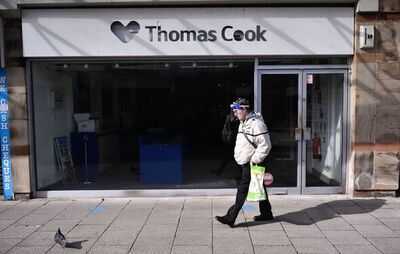
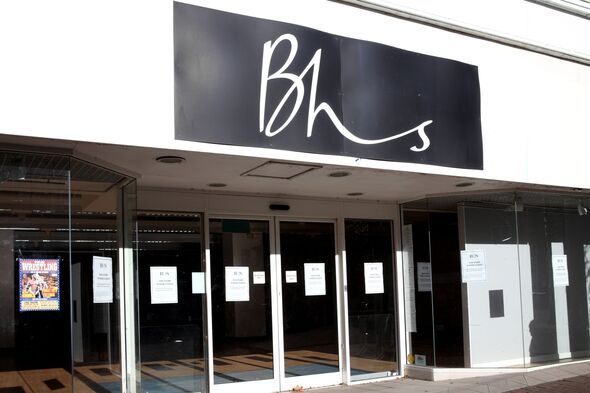
From Debenhams to BHS, the UK high street has lost several iconic stores over the past decades.
Several iconic retailers have crashed and burned under the pressures of the high street over the past few decades, leaving thousands without jobs and millions in unpaid debts.
In 2024 alone, the UK lost about 37 shops every day, equivalent to almost 13,500 retail stores, according to the Centre for Retail Research.
Stores have blamed changing customer behaviours, the pandemic, competition from online shops, and the spiralling costs associated with the high street.
Last year, WHSmith drastically reduced its footprint to focus on its transport locations, and banks announced widespread closures. Fashion retailer River Island will close several stores this year, as will Cancer Research UK and Poundland.
But before all of this, the high street lost beloved stores like Woolworths and BHS. The Express has pulled together six of the most iconic British retailers that have closed over the decades.
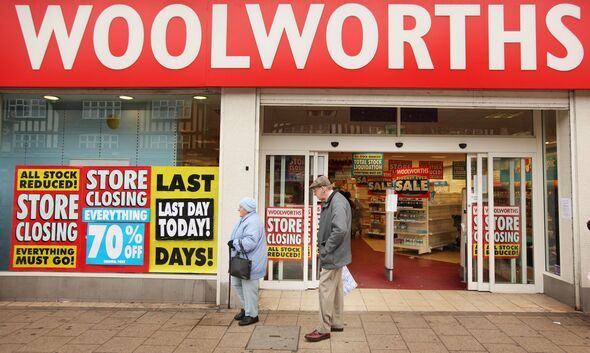 Woolworths
Woolworths was a "jack of all trades", selling everything from toiletries to children's toys and sweets.
However, its food offering struggled to compete with supermarkets, while marketplaces like Amazon were booming in the entertainment sector.
By 2008, the chain was in crisis, and by the time it collapsed, the chain owed £385million.
Analysts blame its abomination on low cash and crippling debt, exacerbated by the 2008 financial crisis.
The closure of 815 stores upset UK shoppers, but also left some 27,000 workers out of a job.
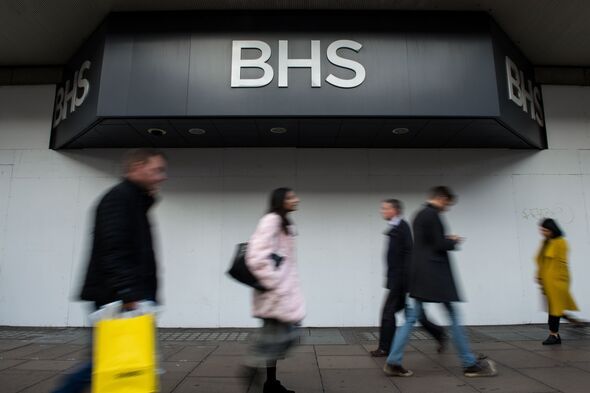 BHS
BHS
BHS was marred by pension scandals, a questionable sale in 2015, and struggled against newer and fresher fast-fashion rivals.
Between 2008 and 2014, BHS lost an average of about £70million a year.
It had kept almost half of its pension scheme assets in the stock market, but after the financial crisis, share prices drastically fell.
By the time the retailer confirmed administration in 2016, it had a massive pension deficit of more than £570million.
Its controversial sale by Sir Philip Green to Dominic Chappell for just £1 in 2015 was thought to have accelerated its demise, as the company lacked the cash flow to survive another year.
The new owner had been declared bankrupt twice and had millions of pounds in debt after a failed enterprise to build a marina.
Mr Chappell claimed others made the BHS turnaround impossible, while Sir Philip Green suggested new management crashed the chain.
The travel agent began life organising railway outings in Victorian Britain in 1841. Fast forward to the 21st century, and it grew to have 19 million customers a year and 22,000 staff operating across 16 countries.
But the emergence of DIY online booking services, like Expedia and Airbnb, brought stiff competition to the agency.
Then, a disastrous merger in 2007 with MyTravel left the company in serious financial trouble.
By 2019, Thomas Cook reported a £1.5billion loss for the first half of its financial year, with £1.1billion attributed to the decision to write down the value of My Travel.
When it failed to secure a final £200million lifeline from banks in late 2019, it entered compulsory liquidation.
Some 150,000 holidaymakers were left stranded, and the Civil Aviation Authority and the Department for Transport worked to get them home.
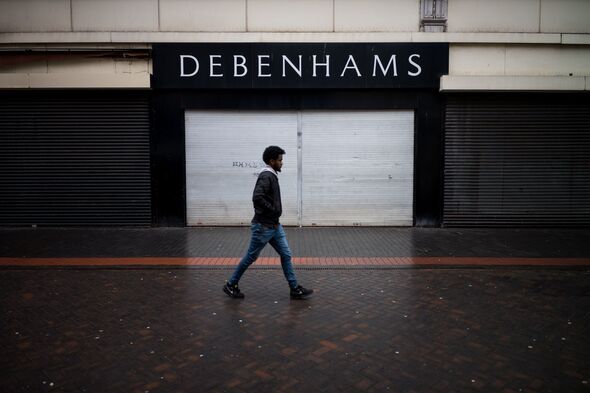 Debenhams
Launched in 1778 as a single drapers' store in London, it grew astronomically to become a major department store chain after partnering with William Debenham in 1813. By 1950, the chain had 110 stores across the UK.
However, experts said Debenhams fell behind the fashion trends and became a victim of high-street rents and online shopping.
Profits began to fall, and it was placed in administration twice before it finally left the high street. The retailer booked a record £491.5million loss in 2018.
The COVID-19 lockdowns were the final nail in the coffin, and by the end of 2020, Debenhams had solidified plans to close all 124 of its stores after efforts to save the chain failed.
The brand was eventually bought by Boohoo, but only as an online-only website.
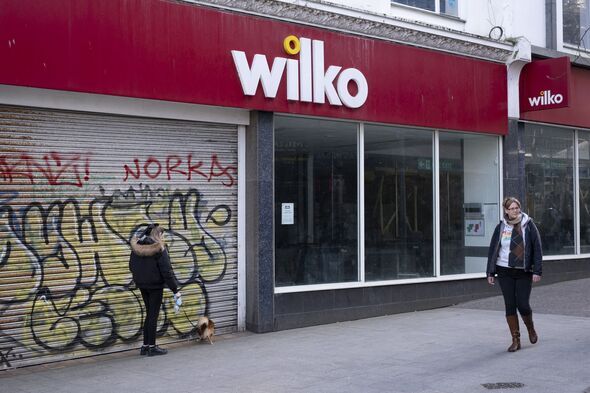 Wilko
Wilko
Another "jack of all trades" store, Wilko sold stationery, homewares and its iconic pick'n'mix.
Wilko filled the gaping hole left by Woolworths on the high street, but experts said it struggled among competitors like Home Bargains and B&M, which had invested in the store experience after the pandemic.
Shoppers also began to notice empty shelves after it struggled to pay suppliers.
By August 2023, the firm plunged into administration, putting 12,500 jobs at risk.
A failure to secure a rescue deal in the summer of 2023 led to the closure of 400 stores. Poundland and B&M both said they would take on the leases of some of the closed stores.
Retail analyst Catherine Shuttleworth said Wilko's problems stemmed from poor decision-making by its owners, reports the BBC.
"There were simply too many stores in the Wilko estate," she said, suggesting it should have been cut down to 250 stores.
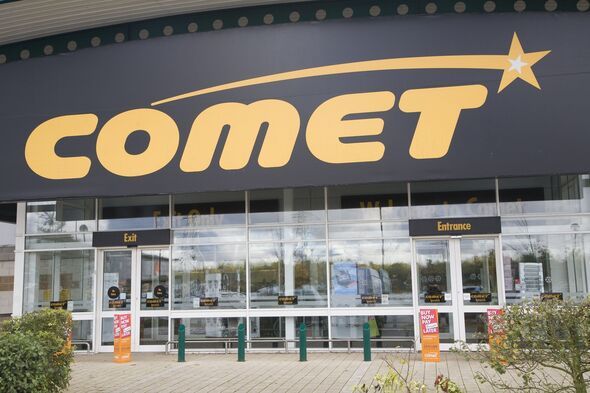 Comet
Comet
The failed electrical retailer shut its doors for the last time in December 2012.
It began in Hull in 1933, selling batteries and radios, before expanding to 236 stores across the UK and employing around 7,000 people.
But the company suffered from a fall in consumer spending during the recession, and a huge growth in online rivals.
Comet was said to have been hit by "showrooming", where customers would visit the store to test out products, before going home to purchase them online from cheaper marketplaces.
Deloitte estimated that Comet had a £311million hole in its balance sheet by the time it closed.
The collapse was also said to cost the Government millions through its Redundancy Payments Service (RPS). Former Comet workers were owed a total of £23.2million, which Comet had no money to pay.
It also owed £26.2million in taxes to HM Revenue & Customs (HMRC) by the time it shut.
-
T20 World Cup 2026: If Bangladesh issue is not resolved, will Pakistan also not play?

-
Kanpur Weather LATEST Update: Foggy Morning, Sunny Afternoon Expected; Check Forecast
-
At what age did Sunny Deol debut, how much was the fee for the first film? | Border 2 Sunny Deol Debut Film Name Age First Movie Fees And Actress
-
Ganesh Jayanti 2026: 22nd or 23rd January, when is Ganesh Jayanti? Clear confusion in one click

-
School Timings Changed: Now you will not have to go to school early in the morning, class timings changed in this city. School Timings Changed In Noida Due To Cold Dense Fog