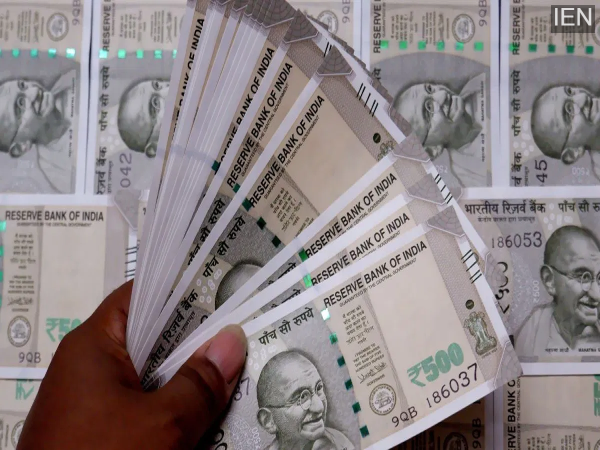
For decades, bank fixed deposits (FDs) have been considered one of the safest investment options for Indian households. Parking money in banks was seen as a secure way to protect savings while earning assured returns. However, the financial landscape in India is now undergoing a noticeable shift. Banks are increasingly facing challenges in mobilising deposits, even as loan demand continues to rise steadily.
This changing trend has raised serious concerns within the banking sector. Recently, renowned banker and Kotak Mahindra Bank founder Uday Kotak described the situation as “alarming,” highlighting the growing imbalance between bank loans and deposits. His remarks have reignited the debate on whether fixed deposits are gradually losing their relevance among investors.
Loan Growth Strong, Deposits Under Pressure
One of the biggest challenges Indian banks are currently facing is the widening gap between credit growth and deposit growth. While the number of people taking loans is increasing rapidly, the pace at which deposits are coming into banks has slowed down.
This imbalance puts pressure on banks’ liquidity positions. Deposits are the primary source of funds for banks to lend money. When deposit growth lags behind loan growth, banks are forced to look for alternative funding options, which can increase costs and impact profitability.
Uday Kotak has openly expressed concern over this trend, stating that the declining interest in traditional bank deposits could pose long-term risks for the stability of the banking system.
Why Are Investors Moving Away from Fixed Deposits?
Fixed deposits have long been associated with safety, stability, and guaranteed returns. So why are investors gradually losing interest in them?
One major reason is relatively low returns. In recent years, FD interest rates have often struggled to beat inflation. When inflation-adjusted returns turn minimal or even negative, savers naturally start looking for better alternatives.
Additionally, the growing awareness of capital market instruments has changed investor behaviour. Equity markets, mutual funds, exchange-traded funds (ETFs), and other market-linked products are attracting investors with the potential for higher long-term returns. Younger investors, in particular, are more willing to take calculated risks in pursuit of wealth creation.
Taxation is another factor influencing this shift. Interest earned on fixed deposits is fully taxable as per the investor’s income slab, which further reduces post-tax returns. In contrast, certain market-linked instruments offer more tax-efficient growth options over the long term.
What Did Uday Kotak Say About the Situation?
Uday Kotak has termed the declining interest in bank deposits as an alarming signal for the financial system. According to him, banks depend heavily on deposits to sustain lending operations. If deposit mobilisation weakens consistently, it could create structural stress in the banking ecosystem.
He also pointed out that while innovation in financial products is welcome, the basic foundation of banking—public trust and deposit inflows—must remain strong. A prolonged slowdown in deposits could impact credit availability and overall economic growth.
Kotak’s remarks underline the importance of maintaining a balance between traditional savings instruments and modern investment avenues.
What Could Be the Impact on Banks and the Economy?
If the trend of declining deposit growth continues, banks may face higher funding costs. This could lead to increased lending rates, making loans more expensive for businesses and individuals. Over time, it could slow down investment activity and economic expansion.
Banks may also be forced to compete aggressively for deposits by offering higher interest rates, which could compress their margins. Smaller banks may feel the pressure more acutely than large institutions with diversified funding sources.
From a broader perspective, reduced reliance on bank deposits could alter how savings are channelled into the economy, reshaping the traditional role banks play in financial intermediation.
Should Investors Be Worried About Fixed Deposits?
Despite declining popularity, fixed deposits still hold an important place in personal finance. They offer capital protection, predictable returns, and stability, especially for conservative investors and retirees. FDs can continue to serve as a safety net within a diversified portfolio.
Financial experts often advise balancing investments between low-risk instruments like FDs and higher-growth options such as equities and mutual funds, depending on individual risk appetite and financial goals.
The Bottom Line
Uday Kotak’s warning serves as a reminder that while investment preferences evolve with time, the health of the banking system depends significantly on public participation through deposits. Fixed deposits may no longer be the first choice for all investors, but they remain a cornerstone of financial stability.
As India’s financial ecosystem continues to mature, finding the right balance between safety and growth will be crucial for both banks and investors.
Disclaimer: This article is for informational purposes only and does not constitute investment advice. Readers are advised to consult a certified financial advisor before making any investment decisions.
-
Protests in India: Will the deepening dangers go away by silencing the alarm?

-
Cost of hate: In MP, school building demolished despite NOC from panchayat

-
Allu Arjun’s Tokyo trip is all about family, fun and good food

-
Couture loses its crown as king of red Valentino Garavani dies at 93

-
What Are Rocket Leaves? Know 8 Powerful Health Benefits Of This Peppery Supergreen