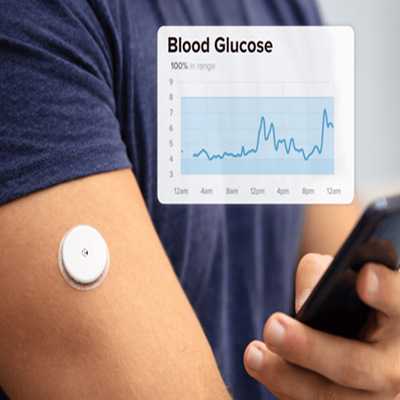
Health tracking is no longer limited to athletes or fitness enthusiasts. In todayâs fast-paced Indian lifestyle, wearable health tracking has quietly become part of everyday life. From smartwatches to fitness bands, people are now paying closer attention to their glucose levels, sleep quality, and daily habits. What makes this shift truly meaningful is the rise of simple apps designed specifically for desi diets and routines, making health monitoring feel practical rather than overwhelming.
One of the biggest concerns for Indian households is blood sugar management. With carbohydrate-rich staples like rice, rotis, and sweets being central to our meals, glucose levels can fluctuate more than we realize. Modern wearable apps now allow users to track glucose trends throughout the day without complicated medical jargon. Instead of generic food suggestions, these apps recognize Indian mealsâidli for breakfast, dal-chawal for lunch, or biryani on a Sunday afternoon. By understanding how traditional foods affect glucose levels, users gain clarity without feeling restricted or judged.
These apps are particularly helpful for people managing diabetes or pre-diabetes. Rather than focusing only on numbers, they highlight patterns. For example, they may show how late-night desserts during festivals or skipped breakfasts affect sugar levels the next day. This awareness encourages small, sustainable changesâlike portion control or timing meals betterârather than extreme dieting. In many ways, it mirrors how elders advise balance over elimination, a concept deeply rooted in Indian food culture.
Sleep tracking is another area where wearables are making a real difference. Indian sleep patterns are often influenced by long work hours, screen time, and irregular routines. Many people also take late dinners, followed by scrolling on phones or watching serials before bed. Sleep tracking apps now analyze not just duration but quality, helping users understand deep sleep, light sleep, and disturbances.
What sets these apps apart is their cultural sensitivity. They factor in afternoon naps, which are common in many Indian households, and acknowledge late-night schedules during weddings or festivals. Instead of labelling these habits as âbad,â the apps provide gentle insights. For instance, they may suggest earlier dinners after heavy meals or short wind-down routines inspired by familiar practices like warm milk or breathing exercises.
Another advantage of wearable health tracking is its simplicity. Most apps use easy visuals, daily summaries, and reminders in plain language. Users do not need to be tech experts to understand their health data. A quick glance at a smartwatch can show whether sleep debt is building up or if glucose levels are trending higher after certain meals. This accessibility makes it easier for older family members to participate, turning health tracking into a shared family conversation.
For people balancing work, family, and social commitments, these apps feel less like strict monitors and more like quiet companions. They encourage mindfulness without creating anxiety. Over time, users begin to notice connections between food, sleep, and energy levels. Better sleep often leads to improved glucose stability, while balanced meals support deeper rest. This holistic view aligns closely with traditional Indian wellness philosophies that emphasize harmony rather than extremes.
Wearable health tracking also supports preventive care. Instead of reacting to health issues, users can spot early warning signs and adjust habits gradually. Whether it is reducing late-night snacking, improving sleep consistency, or understanding how festive eating affects the body, small insights lead to meaningful outcomes.
In a country where health is often discussed only when problems arise, wearable tracking offers a gentle shift toward awareness. By adapting technology to desi diets and lifestyles, these simple apps make health tracking approachable, relevant, and sustainable. They remind us that well-being is not about perfection, but about understanding our bodies a little better each day.
-
Are the greens causing any harm to the body? Expert told what happens if you eat green vegetables every day in winter

-
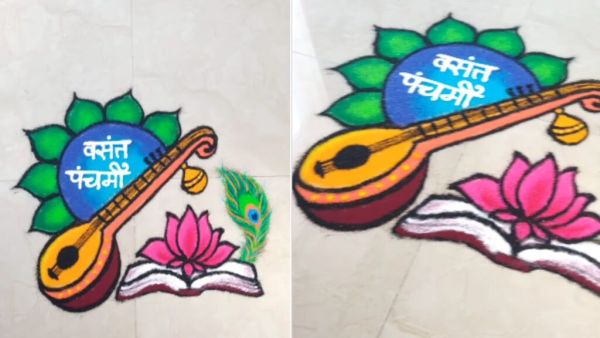
Basant Panchami 2026 Rangoli Designs| easy rangoli designs for basant panchami 2026
-
This is the method of making Latte tea, by adding these ingredients the taste of tea doubles.

-
OnePlus leaving India? CEO Robin Lew breaks silence on rumors

-
India defeated New Zealand by 48 runs in the first match, Shivam Dube missed out on a hat-trick of fifties.