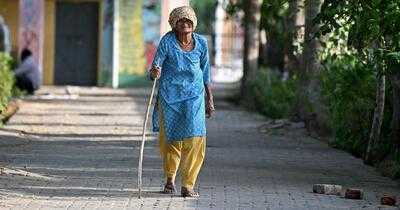
India is in the middle of the longevity conversation without quite admitting it. Life expectancy has crossed 72 years, healthy life expectancy sits a decade lower and by 2050 almost one in five Indians will be over 60.
Yet, when politicians talk of “Viksit Bharat 2047”, the ageing of India sounds like a footnote, not a central plotline. The government’s 2047 narrative is filled with images of high‑speed trains, digital public infrastructure and a dynamic young workforce. However, an ageing India will look less like a start‑up pitch and more like an overcrowded outpatient department unless policy choices change.
Though India’s average life expectancy has increased, healthy life expectancy still lags by around 10 years, which means many Indians are now living longer but spending a sizeable slice of late life with illness or disability. Behind the national averages lies a harsh geography of inequality and striking differentials by caste, gender and region.
Private insurers, corporate hospitals and wellness platforms are already designing products for middle‑class and affluent clients who expect to live into their 80s and want to stay “active” for as long as possible. Their version of healthy ageing features boutique diagnostics, fitness tracking, elective procedures and curated diets that are just about within reach of the salaried upper-middle class and easily...
Read more
-
The gradual return of ships to the Red Sea hits a key milestone

-
Energy, exports and efficiency: HNGIL’s roadmap to global competitiveness

-
Union Budget 2026 likely to focus on infrastructure, MSME and rural growth: PNB Chief
-
Bioenergy to play pivotal role in decarbonising MSMEs: Shripad Naik
-
Freshwater aquaculture key to boosting farm incomes, nutrition, rural livelihoods: DG, ICAR