People who take a common supplement should lower their dose if they experience any one of four symptoms. If taken in excess, it could lead to fatalities.
Certain vitamins and minerals are essential when it comes to keeping our bodies functioning properly. While most of what we need should come from a healthy, balanced diet, some people may choose to top this up with dietary supplements.
One such supplement is iron, a mineral that produces haemoglobin to transport oxygen in the blood. Without enough iron, you can experience iron deficiency anaemia.
- I cleaned my grout with £1.39 Home Bargains spray and years of mould disappeared
- Police station for sale for £150k - but 1 picture leaves people baffled
This causes symptoms such as tiredness and lack of energy, shortness of breath, and heart palpitations. To avoid this you might choose to take iron supplements.
However, the NHS offers a word of caution on its website. If you take “too much” iron, you might experience:
- Constipation
- Feeling sick
- Being sick
- Stomach pain
This is an indication that you might need to reduce your iron intake. In children, this could prove deadly.
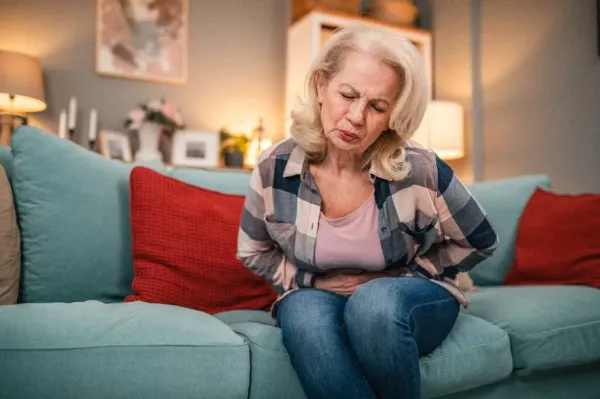
The NHS says: “Very high doses of iron can be fatal, particularly if taken by children, so always keep iron supplements out of the reach of children.” A high dose of iron for adults is considered to be over 20mcg.
How much should you takeThe NHS says that the amount of iron you need is:
- 8.7mg a day for men aged 19 and over
- 14.8mg a day for women aged 19 to 49
- 8.7mg a day for women aged 50 and over
- Women having periods after the age of 50 may need the same amount of iron as women aged 19 to 49
The Department of Health and Social Care (DHSC) advises that “most people” should be able to get all the iron they need by eating a varied and balanced diet. But if you take iron supplements, “do not take too much as this could be harmful”, the NHS says.
It is advised that taking 17mg or less a day of iron supplements is “unlikely” to cause any harm. The NHS adds: “But continue taking a higher dose if advised to by a GP.”
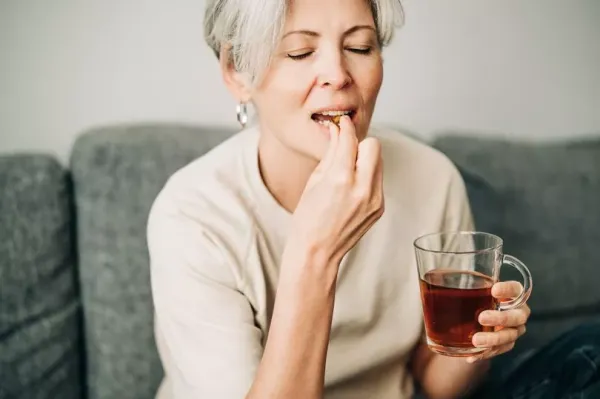 Sources of iron in food
Good sources of iron include:
- Liver (but avoid this during pregnancy)
- Red meat (but the DHSC says you should limit the amount of red and processed meat you eat due to potential bowel cancer risk)
- Beans, such as red kidney beans, edamame beans and chickpeas
- Nuts
- Dried fruit – such as dried apricots
- Fortified breakfast cereals
- Soy bean flour
Symptoms of iron deficiency anaemia can include:
- Tiredness and lack of energy
- Shortness of breath
- Noticeable heartbeats (heart palpitations)
- Paler than usual skin
- Headaches
- Hearing ringing, buzzing or hissing noises inside your head (tinnitus)
- Food tasting strange
- Feeling itchy
- A sore tongue
- Hair loss – you notice more hair coming out when brushing or washing it
- Wanting to eat non-food items, such as paper or ice (pica)
- Finding it hard to swallow (dysphagia)
- Painful open sores (ulcers) in the corners of your mouth
- Nail changes, such as spoon-shaped nails
- Restless legs syndrome
You should see a GP if you think you might have iron deficiency anaemia.
-
How to keep moisture and damp away from your walls and almirah |

-
Why is emotional security most important in raising a son?

-
Signs of old age will start appearing on the face before time, if these habits are not improved
-
Scalp Cleaning Tips: Clean Your Scalp Easily at Home with One Kitchen Ingredient
-
Wrinkles, dark circles, and sagging on the face… these 7 habits are the real cause of premature aging, quit today