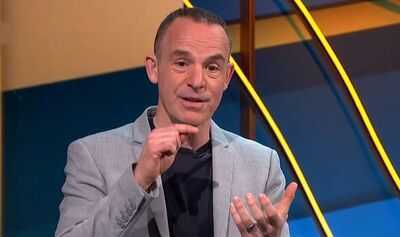
Martin Lewis has reminded people of a key tax rule that many people get wrong. In an edition of his BBC podcast, the financial expert shared some important "life lessons" that everyone should know.
He offered some money tips as well as more general life advice, and shared some pearls of wisdom sent in by listeners. One fan of the show wrote in to say it's important for people to understand what taxes apply to their situation.
Responding to this, Mr Lewis expressed his shock that many people don't know the basics when it comes to tax. He said even many older people don't understand the system.
He said: "I am still gobsmacked, I've even had people who are about to go into the state pension age, and they ask the question about income tax. They still don't realise that income tax is a marginal issue."
The state pension age is currently 66, at which point you may expect people to have a firm grasp of how the HMRC system works. Mr Lewis went on to explain how people often get confused about how the rules work.
Mr Lewis said: "I'm going to phrase this the way I most commonly get it, but it happens at all ages and all stages in life. It staggers me that I will get people saying, they are about to make me a higher 40 percent rate taxpayer by giving me a salary increase, should I turn it down because I don't want to pay 40 percent tax on all my income?"
The expert went on to point out the misunderstanding in this question: "You only pay 40 percent tax on the amount above the threshold, you're still earning more. The fact that we still have people in society who don't know that means we have a really poor educative process."
In England, Wales and Northern Ireland, each person gets a standard personal allowance meaning they can earn up to £12,570 a year without paying income tax. The income tax system is slightly different in Scotland.
You retain this allowance when you move into paying the tax, paying the 20 percent basic rate on your income above £12,570. You then pay the higher rate of 40 percent on your income between £50,271 and £125,140, but you still keep your personal allowance and your income between £12,570 and £50,270 is taxed at the basic 20 percent rate.
However, this does change when you start earning over £100,000. As your income increases above this threshold, you start to lose your personal allowance, losing £1 of the allowance for each £2 you earn above this amount. Each £1 of lost allowance is levied at the 40 percent rate, meaning you effectively pay 20 percent tax on it, so you are effectively paying a 60 percent tax on your earnings between £100,000 and £125,140.
Your income above £125,140 is taxed at the additional 45 percent tax rate. The income tax system is slightly different in Scotland.
Mr Lewis urged people to read up on the rules and to check over your tax situation. He said: "Do make sure you understand about tax, and you understand about your payslip, and you understand what your pension is. Look to save or even better in the long run, look to invest."
For the latest money saving tips, shopping and consumer news, go to the new Everything Money website.
-
Happy Republic Day 2026: Timeless saree looks reflecting patriotic colours and fervour

-
Chanakya Niti: Why Clever Fox-Like Minds Always Defeat Strong Enemies

-
'I'm dating both of them': 24-year-old woman's relationship with twin brothers shocks the internet

-
Essential Tips for Wearing Thermal Wear Effectively

-
Top 5 Innovative Skincare Gadgets for 2026