Bangladesh: The growing intersection of faith and electoral politics in Bangladesh has once again sparked national debate, as concerns rise over how religious narratives are being used to influence voters. A recent analysis published on the Bangladeshi digital news platform Banglanews24 highlights how political actors increasingly rely on religious symbolism and promises during election campaigns, raising questions about democratic values, voter awareness, and long-term political stability.
Study Highlights Shrinking Democratic Space
According to a study referenced in the report by Transparency International Bangladesh, the main driver behind the rise of religion-based campaigning is the prolonged absence of a healthy democratic environment. The study notes that political polarization, combined with religious fanaticism and the growing influence of radical forces at domestic and international levels, has created conditions where faith becomes a powerful political tool rather than a personal belief system.
Campaign Promises Linked to Faith
The report draws attention to election-time promises that go beyond policy or governance, including claims of spiritual reward for supporting specific electoral symbols. In some cases, voters were reportedly told that endorsing certain candidates could ensure salvation or paradise. Other parties openly sought votes by advocating for the enforcement of Islamic laws, shifting the focus from civic issues to religious identity.
Modern Society, Growing Religious Messaging
Despite Bangladesh’s steady social and economic modernization, the article points out a paradoxical rise in religious messaging within political campaigns. Analysts quoted in the report argue that while society becomes more urbanized and digitally connected, political narratives rooted in faith appear to be intensifying, especially during election seasons, as parties compete for emotionally driven voter support.
Cross-Party Use of Religion
The use of religion in politics is not limited to a single ideological group. The article suggests that leaders across the political spectrum have, at various times, relied on religious imagery and rhetoric. Leaders of religion-based parties are often seen wearing traditional religious attire during public engagements, while mainstream politicians also adopt visible symbols of faith to strengthen their appeal among conservative voters.
Jamaat-e-Islami and Historical Criticism
Specific allegations were mentioned against Bangladesh Jamaat-e-Islami, accused of seeking votes with assurances of spiritual rewards. A senior leader from the Bangladesh Nationalist Party reportedly compared such strategies to manipulative practices from medieval times, suggesting they undermine rational political discourse.
Visual Symbols at Election Rallies
The report also notes a visible increase in religious symbolism at campaign events. Male candidates are frequently seen wearing prayer caps, while female participants often appear in headscarves or other religious coverings. Observers argue that these visual cues are carefully chosen to signal religious alignment rather than personal devotion.
Historical Roots Since the 1990s
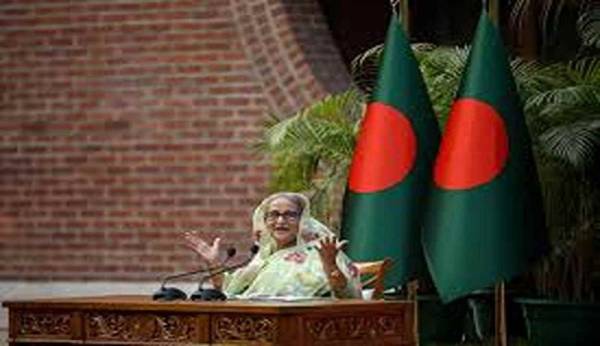
The blending of religion and politics is not new in Bangladesh. The article recalls that the trend became prominent during the 1991 elections, when campaign narratives warned that a change in power could threaten Islamic practices. The ruling Awami League has also faced criticism for similar approaches, including its leader Sheikh Hasina participating in past campaigns with religious symbolism.
Growing Presence of Islamist Parties
Data from the TIB study shows a significant rise in candidates from Islamist parties. Out of 51 political parties contesting the February election with 1,981 candidates, about 36 percent are affiliated with Islamist ideologies, the highest proportion in the last five elections. This marks a steady increase from previous election cycles, reflecting deeper penetration of religious politics into the mainstream.
Analyst Views and Electoral Reality
Political analysts quoted in the report believe that religious parties aim to capitalize on the faith of voters, particularly among populations with limited access to education and political awareness. However, historical trends suggest that such strategies rarely translate into long-term success, as no Islamist party has managed to form a government independently in Bangladesh so far.
-
Passport Delivery Timelines Vary Widely: Why Some Applicants Wait Days While Others Wait Over a Month
-
Gold Prices Hit Record Highs: Know These Key Tax Rules Before Booking Profits

-
Internet Shockwave: 149 Million Login Credentials Exposed, From Banking to Social Media—Here’s How to Stay Safe

-
You can save up to ₹1000 every month on your electricity, gas, and mobile bills. Here are some easy ways to do it...

-
Get a loan of ₹2 crore without any collateral! Your business will flourish with these 7 government schemes...