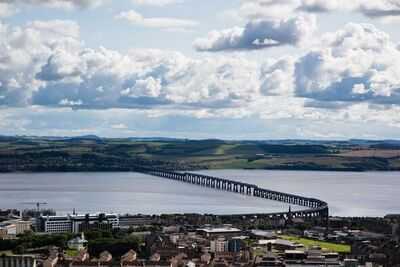
One of the UK's most remarkable railway structures stretches for almost two miles across the River Tay. Known today for its engineering achievement, it is also remembered for one of the worst rail disasters in British history. The Tay Bridge, which links Fife to Dundee in Scotland, has undergone two very different chapters since the 19th century.
The first Tay Bridge was built by the North British Railway Company as part of a fierce rivalry with the Caledonian Railway. Both companies wanted to control the key routes through Scotland, and bridging the Tay became essential. Engineer Thomas Bouch, who had worked on smaller lines in northern England and Scotland, was chosen to design it.
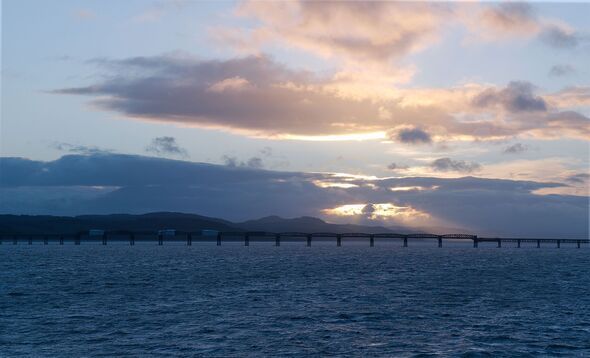
But the design faced criticism from the start. The bridge was single-track, and concerns were raised about capacity and stability.
As construction progressed, Bouch had to change parts of the plan. Brick piers were replaced with cast-iron columns, the foundations were redesigned, and the number of spans was reduced.
Still, the bridge opened on May 31, 1878, to huge celebration. Passenger numbers between Dundee and Fife doubled within a year, and freight traffic rose by 40%.
But everything changed on December 28, 1879.
During a violent storm, the central "high girders" of the bridge collapsed as a passenger train from Burntisland crossed the river.
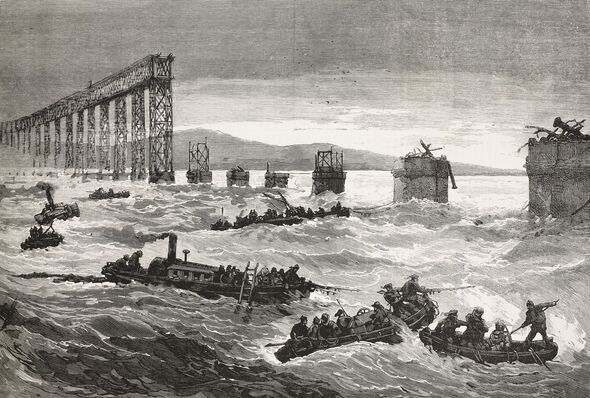
All on board were killed. A Court of Inquiry later blamed the design and placed responsibility on Bouch.
He had made no allowance for wind loading, and there were serious weaknesses in the ironwork, maintenance and quality control.
Bouch died less than a year later, his career and reputation destroyed. The disaster remains the fifth-deadliest rail accident in UK history.
Despite the tragedy, the bridge had to be rebuilt. The North British Railway wanted to put forward plans immediately, but because Bouch was involved, and Parliament rejected its proposal.
Engineer William Henry Barlow, who had helped investigate the collapse, was brought in to advise on what should happen next.
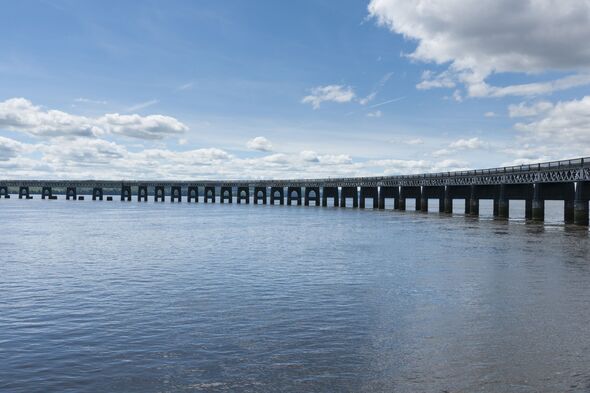
He recommended a completely new double-line bridge, built separately from the old one.
The new structure would sit 60 feet upstream, run parallel to the original, and keep the navigation channels open.
Some iron girders from the old bridge were reused, but stringent wind and load tests were conducted. Parliament approved the plans in October 1881, and William Arrol & Co of Glasgow was appointed to build it.
The new Tay Bridge took five years to complete. Special hydraulic pontoons were used to sink the foundations and lift the ironwork into place.
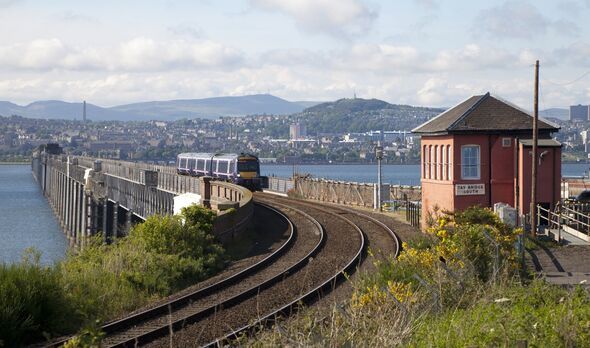
When finished, the bridge measured 10,781 feet long (2.042 miles), with 85 piers and a long straight section that crossed the river before curving towards Dundee. It opened quietly on June 20, 1887 and is still in use today.
The collapse of the first Tay Bridge changed British engineering forever, and all future bridge designs had to withstand wind loadings of up to 56 pounds per square foot.
-
BCCI VP Rajeev Shukla recalls Sachin Tendulkar’s prediction on Virat Kohli, ‘He can break…’

-
How Americans are using AI at work, according to a new Gallup poll

-
Indian startups to showcase agri products at Gulfood 2026

-
Incomplete highway work creates traffic hazards on Karkala–Miyinuru stretch

-
Major disruption to train services declared over storm as 113 flood alerts issued