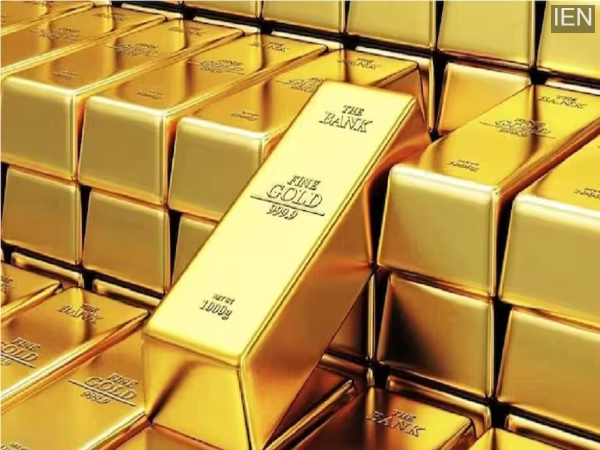
Gold has emerged as one of the strongest-performing assets in recent years, and its rally shows no signs of slowing down in 2026. After delivering a spectacular 64 percent return in 2025, the precious metal has already gained more than 17 percent so far this year. With prices crossing the $5,100 per ounce mark on January 26, market participants are now asking a crucial question: how high can gold go in 2026?
According to leading global analysts, the outlook for gold remains firmly bullish. A combination of geopolitical tensions, aggressive central bank buying, political uncertainty, and sustained investor interest is creating a powerful support base for further gains in the coming months.
Gold’s Strong Performance Sets the Tone for 2026
The momentum behind gold is not a recent phenomenon. In 2025, gold delivered a massive 64 percent rise, one of its strongest annual performances in decades. In 2026, the rally has continued, with prices already up more than 17 percent within the first few weeks of the year.
The London Bullion Market Association (LBMA), in its annual survey, has projected that gold could reach as high as $7,150 per ounce this year. This forecast reflects growing confidence among analysts that structural factors supporting gold are becoming stronger, not weaker.
Adding to the optimism, Goldman Sachs has raised its December 2026 price target for gold from $4,900 per ounce to $5,400 per ounce, citing sustained demand from central banks and rising geopolitical risks.
Geopolitical Tensions Driving Safe-Haven Demand
One of the biggest drivers behind the current rally is rising geopolitical uncertainty across multiple regions. Independent analyst Ross Norman believes that uncertainty will remain a defining feature of the global landscape in 2026, which directly benefits gold.
Norman has set an average target of $5,375 per ounce, with a bullish scenario pointing to levels as high as $6,400 per ounce. He noted that geopolitical flashpoints, including tensions between the United States and NATO over Greenland, uncertainty around global trade tariffs, and concerns about the independence of the US central bank, are all pushing investors toward safe-haven assets.
Historically, periods of political and military तनाव have led to higher gold prices, as investors seek protection against currency volatility, market corrections, and economic instability.
Political Uncertainty and Portfolio Diversification
Another important factor supporting gold is the changing investment environment in developed markets. Philip Newman, Director at Metal Focus, believes that political uncertainty in the United States could intensify as mid-term elections approach.
At the same time, equity markets are trading at elevated valuations, increasing the risk of corrections. In such an environment, investors are increasingly using gold as a tool for portfolio diversification.
Newman expects that after crossing the $5,000 per ounce level, gold could attract fresh institutional inflows. He believes that demand from long-term investors seeking stability will continue to rise through 2026.
Central Banks Continue to Accumulate Gold
Central bank buying remains one of the strongest long-term pillars of the gold market. In 2025, large-scale purchases by emerging market central banks played a key role in pushing prices higher.
Goldman Sachs estimates that in 2026, central banks in emerging economies could continue buying gold at an average pace of 60 metric tonnes per month. Poland is one of the notable examples. At the end of 2025, Poland’s gold reserves stood at around 550 tonnes. Analysts expect this figure to rise to nearly 700 tonnes over time.
This steady accumulation reflects a strategic shift by central banks away from the US dollar and toward gold as a reserve asset, strengthening long-term demand.
Gold ETFs See Record Inflows
Another major driver of the rally is strong investment through gold exchange-traded funds (ETFs). According to data from the World Gold Council, 2025 witnessed record inflows of $89 billion into gold ETFs.
In volume terms, global ETF holdings increased by 801 metric tonnes, the highest annual addition since 2020. These flows indicate rising participation from institutional and retail investors who prefer paper gold over physical holdings.
However, there is a flip side. The sharp rise in prices has weakened demand for gold jewellery, especially in price-sensitive markets. Even so, investment demand has more than compensated for this slowdown.
What Is the Likely Target for 2026?
Based on current forecasts, experts see multiple possible scenarios:
-
Conservative targets: $5,400 per ounce by December 2026 (Goldman Sachs)
-
Base case: Around $5,300 to $5,700 per ounce
-
Bull case: $6,400 to $7,150 per ounce if geopolitical risks intensify
Final Outlook
With strong central bank buying, record ETF inflows, rising political uncertainty, and stretched equity valuations, gold appears well-positioned for another strong year in 2026. While short-term corrections are always possible, the long-term trend remains upward.
For investors, gold continues to serve as both a hedge against uncertainty and a strategic asset for portfolio stability in an increasingly volatile global environment.
-
India Set for Biggest Auto Market Opening as EU Trade Pact Nears Finish Line

-
Qualcomm backs SpotDraft to scale on-device contract AI with valuation doubling toward $400M

-
Apple launches new AirTag with longer range and louder speaker

-
Get rid of unwanted calls: Complete information about blocking spam calls in Android phone

-
WPL 2026: Historic hundred by Nat Sciver-Brunt guides Mumbai Indians to victory against RCB