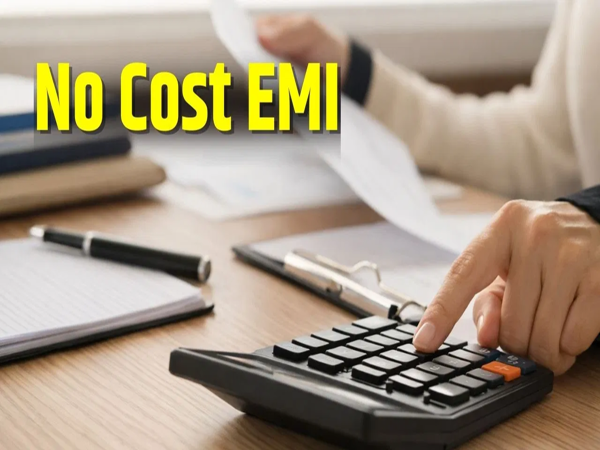
The online shopping craze has grown rapidly in India, and with it, the "buy now, pay later" trend. From e-commerce websites to electronics showrooms, the "no-cost EMI" option is now prominently displayed on almost every expensive item. A typical buyer thinks, "What's wrong with getting goods in installments without paying any extra interest?" While this deal may seem profitable on the surface, the reality can be far more complicated.
Is there really no interest?
The biggest question is whether banks or companies are truly providing a social service by lending you money without interest. The answer is no. It's crucial to understand the math behind no-cost EMI. In reality, banks do charge interest on this EMI. The only difference is that instead of charging you directly, the interest is adjusted into the product's price.
This usually works in two ways. First, the seller shows the interest amount as a 'discount,' which is actually the interest itself. This means that the discount you could have received for cash payment goes towards paying the interest. The customer feels they haven't paid interest, while in reality, they have paid a higher price for the product.
Discounts disappear
When choosing no-cost EMI, buyers often overlook a significant drawback: missing out on cash discounts or card offers. It's often observed that if you pay for an item in full, you receive an instant discount or cashback. But as soon as you choose the no-cost EMI option, these offers are removed.
For example, let's say a phone costs ₹50,000, and there's an instant cash discount of ₹5,000. If you choose EMI, the phone will still cost you ₹50,000. This means you've effectively paid ₹5,000 more. This amount can be equal to or even more than the bank's interest.
The added burden of processing fees
The issue isn't limited to just interest or discounts. When you opt for the EMI option, banks often charge you processing fees. In addition, GST (Goods and Services Tax) is sometimes levied on the interest amount that has been adjusted as a discount. This is an expense that isn't reflected in the product's displayed price, but it will definitely show up in your bank statement.
Furthermore, it also impacts your credit history. Taking out an EMI increases your credit exposure. This means that in the bank's eyes, you have outstanding debt, which could affect your eligibility for larger loans (such as a home loan or car loan) in the future.
Keep these things in mind before making a purchase
Experts say that not every glittering scheme is gold. Before choosing the no-cost EMI option, be sure to compare your total costs. Grab a calculator and see the difference between paying the full amount upfront and paying through EMIs. Also, check if you are missing out on a significant discount by opting for EMIs.
Disclaimer: This content has been sourced and edited from TV9. While we have made modifications for clarity and presentation, the original content belongs to its respective authors and website. We do not claim ownership of the content.
-
Delhi Government Approves Rs. 327 Crore Projects for JJ Clusters on Republic Day
-
Rachel Reeves bombshell as more families could be dragged into mansion tax nightmare

-
Princess Beatrice shows support for dad Andrew Mountbatten-Windsor as Eugenie 'cuts ties'

-
Over 99 pc of Indian goods gain preferential entry into EU, $75 billion worth exports to take off
-
Why Some Women with PCOD Still Conceive Naturally