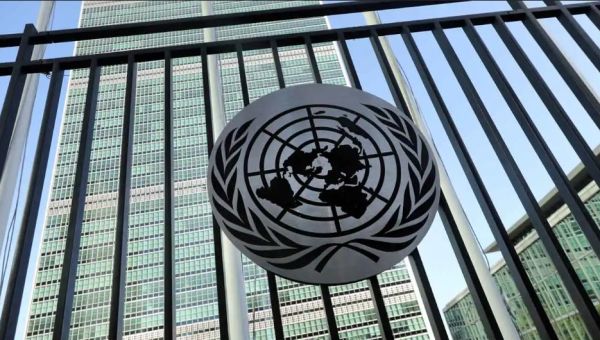
India’s long-standing push to reform the United Nations Security Council (UNSC) has received renewed attention as it is believed that US President Donald Trump’s aggressive policies could bring about a change, giving countries like India and African representatives permanent seats with veto power. Although discussions are gaining momentum, concrete progress is still far away.
Trump has repeatedly described the UN as “ineffective” and “an undue financial burden” on the US, walked out of the WHO in his first term and questioned the organization’s role. His recent “Board of Peace”—which was launched in Davos in January 2026, and was initially endorsed by UNSC Resolution 2803 (2025) for the reconstruction of Gaza—has now transformed into a proposed global conflict-resolution body, to be chaired by Trump for life, and to invest $1 billion for permanent seats.
Critics see this as an attempt to rival or weaken the UN, leading UN Secretary-General Antonio Guterres to post a post on
Prime Minister Narendra Modi (at the 2024 UN summit and 2020 general debate) and External Affairs Minister S. Indian leaders, including Jaishankar, have described the UNSC as “incoherent,” “deadlocked,” and reflecting the realities of 1945, not 2025. Jaishankar warned of its becoming irrelevant if not changed amid crises in Gaza, Ukraine and emerging areas such as cyber and space.