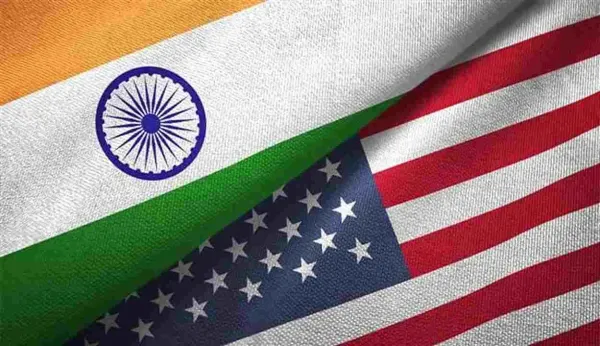
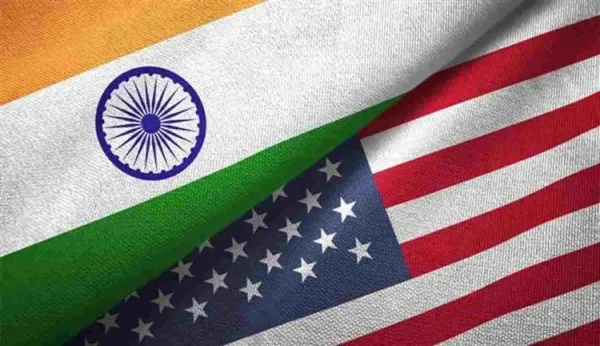
India-US: Momentum behind some of the most important security coordination mechanisms between India and the United States has begun to slow, raising concerns in Washington about the long-term impact on trust and stability in the Indo-Pacific region. A senior American lawmaker has cautioned that established forums meant to strengthen cooperation are receiving less sustained political attention at a time when strategic consistency is critical.
Mark Warner, who chairs the Senate Intelligence Committee, said traditional diplomatic and defence frameworks require steady engagement to remain effective. In his view, that focus has weakened amid broader pressures affecting bilateral ties.
Established Frameworks Losing Political Focus
Speaking in an interview with IANS, Warner pointed to ministerial-level platforms such as the two-plus-two dialogue and the Quadrilateral Security Dialogue as examples of confidence-building efforts that demand time and political energy. While these mechanisms may not always deliver major breakthroughs, he stressed that incremental progress still plays an important role in maintaining strategic alignment.
According to Warner, the reduced emphasis on these formats represents a longer-term challenge rather than a short-term pause. He suggested that when such processes are not actively nurtured, the erosion of trust can be gradual but significant.
Trade Frictions and Trust Deficit
Warner linked the slowdown in security engagement to wider strains in India-US relations, including trade disagreements and growing unease on both sides. He warned that when confidence-building platforms lose momentum, the consequences can extend well beyond individual policy disputes.
He noted that this trust deficit is not limited to New Delhi alone, arguing that strained interactions with allies and partners more broadly can undermine America’s standing. When allies feel sidelined or disrespected, he said, doubts about reliability begin to surface.
Quad Military Cooperation Still Advancing
Despite his concerns, Warner acknowledged that cooperation among the four Quad partners—India, Japan, Australia, and the United States—continues to deepen in certain areas. He observed that military coordination within the grouping appears to be strengthening, which he described as a positive and necessary development in a shifting regional security environment.
The Quad has increasingly been used as a platform to address shared challenges, including maritime security, resilient supply chains, and regional stability, particularly as China’s influence expands across the Indo-Pacific.
Allies Questioning US Reliability
Warner expressed unease over reports that some American allies now view China as a more predictable partner than the United States. Such perceptions, he said, are deeply troubling and risk encouraging countries to hedge their strategic commitments.
He applied the same concern to India, warning that any perception within the Indian system that Washington may not be dependable could weaken one of the most consequential partnerships in the region. From his perspective, consistency in engagement is central to sustaining confidence.
Congressional Role in Sustaining Engagement
The senator emphasized that Congress can help preserve long-term strategic relationships when executive-level ties come under strain. He highlighted the ongoing work of the Senate India Caucus, describing it as a bipartisan effort to maintain dialogue and reinforce shared priorities.
By keeping communication channels open, lawmakers can provide a degree of continuity even during politically difficult periods, Warner said. He argued that this approach is essential for safeguarding regional stability and preventing strategic drift.
Strategic Importance for India
For India, maintaining momentum in both the Quad and the two-plus-two dialogue remains a key element of its broader Indo-Pacific strategy. These forums support New Delhi’s efforts to balance regional power dynamics while protecting strategic autonomy and expanding defence cooperation with trusted partners.
As geopolitical competition intensifies, sustained engagement through established frameworks is likely to remain a central test of resilience for the India-US relationship.
-
Valentine’s Week 2026: There is blanket of snow and somewhere there is greenery… These romantic places in India are the best to visit on Valentine’s Week.

-
Nephew, madly in love with his aunt, took a dreadful step…killed his maternal uncle – News Himachali News Himachali

-
Gold-Silver Price Crash: Gold fell upside down in one stroke, silver became cheaper by Rs 16000, see today’s rates before buying.
-
Old love or new marriage? One girl, 2 deaths – names written in suicide note, who is responsible? | Karnataka Love Affair Wife Elopes Husband Matchmaker Suicide Case
-
Anurag Basu on Arijit Singh’s retirement from playback singing: ‘Was not at all surprised’