Building Your Baby's Vision in the Womb: Science, Nutrition, and Safe Pregnancy Habits
Pregatips | January 28, 2026 2:42 PM CST
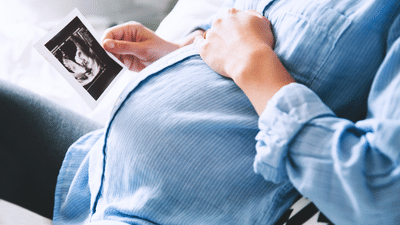
Many expecting parents quietly wonder about how their baby’s vision develops in the womb. You might ask when your baby starts to see, if stress or food choices matter, or how your habits affect their eyes. The good news is that vision grows gradually, guided by nature and supported by your care.
What does “vision development in the womb” really mean?Vision development involves more than just the eyes. It includes the eyes, optic nerves, and the brain regions that process vision. These systems grow together in a set order.
In simple terms, your baby is not “seeing” images inside the womb. Instead, the structures needed for vision are being built and tested, much like wiring before a light switch works.
Key stages include:
When does your baby’s vision start developing?Eye development begins very early. By week 4 of pregnancy, the basic parts of the eyes start to form. By week 8, the eyes can be seen on an ultrasound, but the eyelids are still closed. Here is a simple timeline:
Why does your nutrition matter for eye development?Your baby’s eyes need specific nutrients to grow well. You don’t need to eat expensive or unusual foods—just focus on balanced, regular meals.
Important nutrients include:
1. Vitamin A: Supports retina development
Does stress really affect your baby’s eyesight?Stress doesn’t directly harm your baby’s eyes, but extended periods of high stress can affect your baby’s overall development. High levels of stress hormones, such as cortisol, can reduce blood flow and impair sleep quality.
Research shows that ongoing stress during pregnancy can affect brain development, including parts related to vision. Occasional worry, though, does not cause harm. Supportive steps include:
Some helpful tips:
Are there warning signs you should watch for?Most vision problems are found after birth, not during pregnancy. Still, some maternal health conditions may require additional attention. Contact your doctor if you have:
What should you avoid to protect healthy eye development?Don’t assume that everything labelled “natural” is safe. Some things can still be harmful. Be cautious about:
What to Do Next: A simple checklist
Whether you’re pregnant, a new mom, or navigating postpartum, you don’t have to do it alone. Join our support group to connect, share, and support one another.
FAQs on Building Your Baby’s Vision in the Womb: Science, Nutrition, and Safe Pregnancy Habits
When can my baby actually see light inside the womb?
Babies start to notice light around 24–28 weeks of pregnancy. This isn’t clear vision—it’s just sensing light through the eyelids and womb. Clear vision develops gradually after birth as the brain and eyes continue to grow.
Can a poor diet permanently damage my baby’s eyesight?
Short-term dietary gaps usually do not cause permanent damage, especially if addressed. Long-term severe deficiencies, particularly of vitamin A or iron, may increase risk. Regular antenatal care and balanced meals help prevent problems. Always consult a doctor before taking supplements
What does “vision development in the womb” really mean?Vision development involves more than just the eyes. It includes the eyes, optic nerves, and the brain regions that process vision. These systems grow together in a set order.
In simple terms, your baby is not “seeing” images inside the womb. Instead, the structures needed for vision are being built and tested, much like wiring before a light switch works.
Key stages include:
- Formation of eye cups from the brain tissue
- Development of the retina, which senses light
- Growth of the optic nerve, connecting the eyes to the brain
- Maturation of visual centres in the brain
When does your baby’s vision start developing?Eye development begins very early. By week 4 of pregnancy, the basic parts of the eyes start to form. By week 8, the eyes can be seen on an ultrasound, but the eyelids are still closed. Here is a simple timeline:
- Weeks 4–6: Eye cups form from brain tissue
- Weeks 7–8: Retina and optic nerve begin developing
- Weeks 9–12: Lenses and corneas form
- Weeks 16–20: Eyelids open briefly; light sensitivity begins
- Weeks 24–28: Retina matures; pupils react to light
- After 28 weeks: Brain-eye connections strengthen
Why does your nutrition matter for eye development?Your baby’s eyes need specific nutrients to grow well. You don’t need to eat expensive or unusual foods—just focus on balanced, regular meals.
Important nutrients include:
1. Vitamin A: Supports retina development
- Found in carrots, pumpkin, spinach, and mango
- It’s important to get the right amount and avoid taking too many supplements.
- Found in walnuts, flaxseeds, chia seeds, and fish, where culturally appropriate
- Found in lentils, chickpeas, nuts, and seeds
- Found in green leafy vegetables, dates, and jaggery
Does stress really affect your baby’s eyesight?Stress doesn’t directly harm your baby’s eyes, but extended periods of high stress can affect your baby’s overall development. High levels of stress hormones, such as cortisol, can reduce blood flow and impair sleep quality.
Research shows that ongoing stress during pregnancy can affect brain development, including parts related to vision. Occasional worry, though, does not cause harm. Supportive steps include:
- Daily breathing pauses of 5–10 minutes
- Gentle walking or prenatal yoga, if approved
- Sharing worries with your partner or a trusted family member
- Reducing screen time before sleep
Some helpful tips:
- Sleep on your side after mid-pregnancy, preferably on your left.
- Aim for 7–9 hours of rest, including short daytime naps.
- Reduce phone use at least one hour before bedtime.
Are there warning signs you should watch for?Most vision problems are found after birth, not during pregnancy. Still, some maternal health conditions may require additional attention. Contact your doctor if you have:
- Poorly controlled diabetes or thyroid disorders
- Severe vitamin A deficiency or excess supplementation
- Repeated infections with fever
- Exposure to radiation or toxic chemicals
What should you avoid to protect healthy eye development?Don’t assume that everything labelled “natural” is safe. Some things can still be harmful. Be cautious about:
- High-dose vitamin supplements without prescription
- Smoking, alcohol, or recreational substances
- Unverified herbal mixtures
- Skipping meals because of nausea without talking to your doctor
What to Do Next: A simple checklist
- Eat balanced meals with fruits, vegetables, grains, and proteins.
- Attend all antenatal appointments.
- Rest when your body asks for it.
- Manage stress with breathing and support.
- Avoid unnecessary supplements
- Talk to your baby and involve your partner.
- Ask questions without hesitation.
Whether you’re pregnant, a new mom, or navigating postpartum, you don’t have to do it alone. Join our support group to connect, share, and support one another.
FAQs on Building Your Baby’s Vision in the Womb: Science, Nutrition, and Safe Pregnancy Habits
Babies start to notice light around 24–28 weeks of pregnancy. This isn’t clear vision—it’s just sensing light through the eyelids and womb. Clear vision develops gradually after birth as the brain and eyes continue to grow.
Short-term dietary gaps usually do not cause permanent damage, especially if addressed. Long-term severe deficiencies, particularly of vitamin A or iron, may increase risk. Regular antenatal care and balanced meals help prevent problems. Always consult a doctor before taking supplements
READ NEXT
-
Congress : Challenges Government Economic Claims Ahead of Budget and Survey

-
Air India: Plans Major Long-Haul Upgrade as New Widebody Jets Enter Service

-
Ajit Pawar: Why is the plane in which Ajit Pawar was traveling called super light?

-
Explainer: Saturn’s Mahadasha, Antardasha or Sadesati… Who can wear Sapphire gemstone, one mistake will spoil the whole game!

-
Baramati plane crash: AAIB to probe death of Ajit Pawar, 4 others