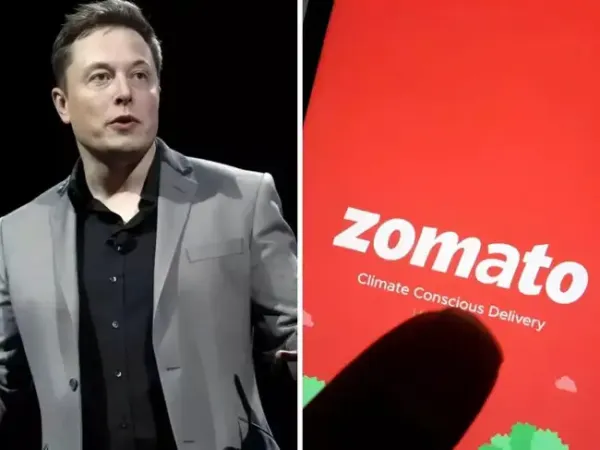
Years before Elon Musk bought Twitter, he had already put the idea into the universe. In December 2017, Musk tweeted that he loved Twitter. At the time, it felt like just another offhand comment from a tech billionaire known for impulsive posts. But years later, that single line has taken on a different meaning, especially after Zomato recently resurfaced it to underline the power of manifestation.
Zomato’s message was simple: say it out loud, put intention into the world, and reality has a strange way of catching up. Musk’s journey with Twitter appears to fit that philosophy perfectly. What began as admiration eventually turned into ownership. In 2022, Musk completed a $44 billion acquisition of Twitter, declaring that the bird was freed, a symbolic moment that marked the culmination of a long and turbulent process.
The path to ownership was anything but smooth. Musk first revealed a 9.2% stake in April 2022, instantly becoming Twitter’s largest shareholder. He was invited to join the board, then abruptly declined and instead proposed buying the company outright. Within days, a deal was struck.
Doubts soon followed. Musk publicly questioned the number of spam accounts on the platform and accused Twitter of withholding information. The conflict escalated into legal action after Musk attempted to walk away from the deal, citing concerns over valuation and transparency. Twitter responded by suing him. Then came another reversal. Just days before the trial deadline, Musk agreed to complete the purchase as originally promised. The deal closed, Twitter’s shares were delisted, and one of the most dramatic corporate takeovers in recent history came to an end.
By reviving Musk’s 2017 tweet, Zomato reframed the saga not as a financial thriller but as a manifestation story. The lesson wasn’t about strategy or capital, but intention.
Zomato’s message was simple: say it out loud, put intention into the world, and reality has a strange way of catching up. Musk’s journey with Twitter appears to fit that philosophy perfectly. What began as admiration eventually turned into ownership. In 2022, Musk completed a $44 billion acquisition of Twitter, declaring that the bird was freed, a symbolic moment that marked the culmination of a long and turbulent process.
The path to ownership was anything but smooth. Musk first revealed a 9.2% stake in April 2022, instantly becoming Twitter’s largest shareholder. He was invited to join the board, then abruptly declined and instead proposed buying the company outright. Within days, a deal was struck.
Doubts soon followed. Musk publicly questioned the number of spam accounts on the platform and accused Twitter of withholding information. The conflict escalated into legal action after Musk attempted to walk away from the deal, citing concerns over valuation and transparency. Twitter responded by suing him. Then came another reversal. Just days before the trial deadline, Musk agreed to complete the purchase as originally promised. The deal closed, Twitter’s shares were delisted, and one of the most dramatic corporate takeovers in recent history came to an end.
By reviving Musk’s 2017 tweet, Zomato reframed the saga not as a financial thriller but as a manifestation story. The lesson wasn’t about strategy or capital, but intention.