Why Is the Practice of Niyog Rarely Talked About in the Mahabharata?
My Life XP | January 29, 2026 4:39 AM CST

Ancient Indian society followed many structured traditions rooted in dharma, duty, and social responsibility. One such regulated practice was Niyog, created to preserve family lineage during times of crisis. In the Mahabharata era, continuity of lineage was considered essential for social stability and spiritual order. Niyog was not based on desire but on responsibility, consent, and clearly defined rules guided by sacred texts. Through this system, figures like Dhritarashtra, Vidura, and the Pandavas were born within accepted moral and religious norms. Understanding Niyog through historical context and scriptural references helps modern readers appreciate its purpose, legitimacy, and role in ancient Indian civilization with clarity, respect, and cultural accuracy.
What Was Niyog in Ancient India?

Niyog was an ancient, socially accepted system designed to preserve family lineage during times of crisis. According to classical Hindu texts and historical references, it was practiced only when a husband was deceased or unable to produce heirs. With the consent of elders and family members, a learned, disciplined, and respected man was chosen under strict moral rules. The purpose was duty and continuity, never personal desire. The child born through Niyog was legally, socially, and emotionally recognized as part of the husband’s lineage. This practice reflects the structured, ethical, and responsibility driven social systems of ancient India, emphasizing duty, family stability, and societal balance.
Mothers Were Central in the Mahabharata
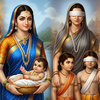
In the Mahabharata, lineage was often identified through the mother, reflecting the deep respect given to women in ancient Indian society. Heroes were known by their mother’s name, such as Kuntiputra Arjuna and Gangaputra Bhishma, showing that motherhood defined identity and honor. This tradition highlights how women carried not only bloodlines but also values, culture, and dharma forward. From an experiential and scriptural perspective, practices like Niyog further reinforced this belief by safeguarding dynasties through the mother’s role. Ancient texts affirm the authoritative and trustworthy view that women were central to preserving family continuity and moral order.
Niyog and the Birth of Dhritarashtra and Pandu
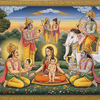
After King Vichitravirya died without an heir, the future of the Kuru dynasty faced extinction. Queen Satyavati, following ancient dharmic law, invited Sage Ved Vyasa to perform the Niyog ritual. Through this sacred practice, Queen Ambika gave birth to Dhritarashtra, Ambalika to Pandu, and a royal maid to Vidura. Each child later shaped the Mahabharata in a powerful way. Ancient scriptures explain Niyog as a lawful tradition meant to preserve lineage and social balance. From a historical and spiritual perspective, this practice highlights how duty, destiny, and dharma guided royal decisions, influencing India’s greatest epic and its enduring moral lessons.
Niyog Led to the Birth of the PandavasKing Pandu was cursed to die if he engaged in intimacy, a pivotal moment in the Mahabharata. With full consent and adherence to dharma, queens Kunti and Madri followed the ancient practice of Niyog through divine invocation. Kunti gave birth to Yudhishthira, Bhima, and Arjuna, while Madri became the mother of Nakul and Sahadev. These five sons, known as the Pandavas, embodied righteousness, courage, strength, wisdom, and balance. Rooted in scriptural tradition, this account highlights how duty, consent, and spiritual law shaped royal lineage. Ancient texts present Niyog as a respected solution, reflecting societal values and ethical governance of that era.
The Deeper Meaning of Niyog in DharmaNiyog was never about breaking moral values but about protecting dharma and social responsibility. Ancient society placed duty above personal attachment, ensuring lineage continuity and social balance. The practice followed strict rules, required clear consent, and was guided by spiritual intent rather than desire. Scriptures and historical references show that Niyog was accepted as an ethical solution during exceptional circumstances. It reflected a deep understanding of responsibility, discipline, and long term welfare. By prioritizing future generations and societal stability, Niyog highlights how ancient traditions were rooted in wisdom, balance, and thoughtful decision making rather than impulsive actions.
Unlock insightful tips and inspiration on personal growth, productivity, and well-being. Stay motivated and updated with the latest at My Life XP
Frequently Asked Questions (FAQs) 1. What was the practice of Niyog in ancient India?
Niyog was a sacred practice where a woman could conceive a child through a learned man if her husband was deceased or unable to father children, with family consent.
2. Was Niyog considered immoral?
No. Niyog was not about desire but about protecting dharma and ensuring family lineage, following strict ethical and social rules.
3. Who were born through Niyog in the Mahabharata?
Dhritarashtra, Pandu, Vidura, and the Pandavas were born through Niyog, preserving the Kuru dynasty.
4. Did the biological father have rights over the child?
No. The child belonged legally and socially to the husband’s family, and the biological father had no obligations.
5. Why was Niyog important in ancient society?
It ensured continuity of lineage, upheld social balance, and reflected responsibility and dharma over personal desire.
6. Is Niyog still practiced today?
Niyog as described in scriptures is largely historical and not commonly practiced in modern times.
What Was Niyog in Ancient India?
Niyog was a sacred duty, not personal desire
Niyog was an ancient, socially accepted system designed to preserve family lineage during times of crisis. According to classical Hindu texts and historical references, it was practiced only when a husband was deceased or unable to produce heirs. With the consent of elders and family members, a learned, disciplined, and respected man was chosen under strict moral rules. The purpose was duty and continuity, never personal desire. The child born through Niyog was legally, socially, and emotionally recognized as part of the husband’s lineage. This practice reflects the structured, ethical, and responsibility driven social systems of ancient India, emphasizing duty, family stability, and societal balance.
Mothers Were Central in the Mahabharata
In the Mahabharata, lineage was often identified through the mother, reflecting the deep respect given to women in ancient Indian society. Heroes were known by their mother’s name, such as Kuntiputra Arjuna and Gangaputra Bhishma, showing that motherhood defined identity and honor. This tradition highlights how women carried not only bloodlines but also values, culture, and dharma forward. From an experiential and scriptural perspective, practices like Niyog further reinforced this belief by safeguarding dynasties through the mother’s role. Ancient texts affirm the authoritative and trustworthy view that women were central to preserving family continuity and moral order.
Niyog and the Birth of Dhritarashtra and Pandu
Niyog preserved the Kuru lineage
After King Vichitravirya died without an heir, the future of the Kuru dynasty faced extinction. Queen Satyavati, following ancient dharmic law, invited Sage Ved Vyasa to perform the Niyog ritual. Through this sacred practice, Queen Ambika gave birth to Dhritarashtra, Ambalika to Pandu, and a royal maid to Vidura. Each child later shaped the Mahabharata in a powerful way. Ancient scriptures explain Niyog as a lawful tradition meant to preserve lineage and social balance. From a historical and spiritual perspective, this practice highlights how duty, destiny, and dharma guided royal decisions, influencing India’s greatest epic and its enduring moral lessons.
Niyog Led to the Birth of the PandavasKing Pandu was cursed to die if he engaged in intimacy, a pivotal moment in the Mahabharata. With full consent and adherence to dharma, queens Kunti and Madri followed the ancient practice of Niyog through divine invocation. Kunti gave birth to Yudhishthira, Bhima, and Arjuna, while Madri became the mother of Nakul and Sahadev. These five sons, known as the Pandavas, embodied righteousness, courage, strength, wisdom, and balance. Rooted in scriptural tradition, this account highlights how duty, consent, and spiritual law shaped royal lineage. Ancient texts present Niyog as a respected solution, reflecting societal values and ethical governance of that era.
The Deeper Meaning of Niyog in DharmaNiyog was never about breaking moral values but about protecting dharma and social responsibility. Ancient society placed duty above personal attachment, ensuring lineage continuity and social balance. The practice followed strict rules, required clear consent, and was guided by spiritual intent rather than desire. Scriptures and historical references show that Niyog was accepted as an ethical solution during exceptional circumstances. It reflected a deep understanding of responsibility, discipline, and long term welfare. By prioritizing future generations and societal stability, Niyog highlights how ancient traditions were rooted in wisdom, balance, and thoughtful decision making rather than impulsive actions.
Unlock insightful tips and inspiration on personal growth, productivity, and well-being. Stay motivated and updated with the latest at My Life XP
Frequently Asked Questions (FAQs) 1. What was the practice of Niyog in ancient India?
Niyog was a sacred practice where a woman could conceive a child through a learned man if her husband was deceased or unable to father children, with family consent.
2. Was Niyog considered immoral?
No. Niyog was not about desire but about protecting dharma and ensuring family lineage, following strict ethical and social rules.
3. Who were born through Niyog in the Mahabharata?
Dhritarashtra, Pandu, Vidura, and the Pandavas were born through Niyog, preserving the Kuru dynasty.
4. Did the biological father have rights over the child?
No. The child belonged legally and socially to the husband’s family, and the biological father had no obligations.
5. Why was Niyog important in ancient society?
It ensured continuity of lineage, upheld social balance, and reflected responsibility and dharma over personal desire.
6. Is Niyog still practiced today?
Niyog as described in scriptures is largely historical and not commonly practiced in modern times.
READ NEXT
-
Warp & woof of the new trade design

-
Funding unspent is spending denied

-
Rob Schneider and wife Patricia split after 15 years — divorce filing confirms marriage is over, couple share 2 kids

-
Who is Colleen Aubrey and what is Project Dawn? Here's how Amazon supports affected employees and which teams and businesses are impacted by project

-
Word of the day: Verisimilitude