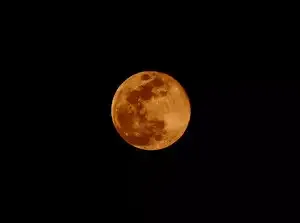
After a week marked by snow and ice, the night sky is offering a fitting follow-up. February’s full moon—known as the Snow Moon, is set to light up the sky soon, marking the second full moon of the year. While cloud cover could affect visibility for some, especially in Tennessee, the month still holds a few moments worth watching for sky-gazers.
February may be relatively quiet in terms of major astronomical events, but it isn’t without highlights. Along with the full moon, NASA reports a rare planetary alignment toward the end of the month that could catch the attention of anyone who enjoys looking up.
ALSO READ: Word of the day: Clishmaclaver
This will be the second of 13 full moons in 2026, making it part of an unusually moon-filled year.
February’s full moon is traditionally known as the Snow Moon because it typically arrives during the snowiest month of the year. The name reflects long-standing seasonal patterns and was popularized through traditional almanacs, including the Old Farmer’s Almanac, as per a report by Commercial Appeal.
Over time, the Snow Moon has also picked up several alternate names tied to wildlife, weather, and survival during late winter.
ALSO READ: Word of the Day: Kafkaesque
In addition to Snow Moon, February’s full moon is also known as the Bald Eagle Moon, Bear Moon, Groundhog Moon, and Hungry Moon. These names highlight themes of winter scarcity, animal behavior, and the natural rhythms associated with this time of year.
Visibility across Tennessee may be limited due to cloud cover. Most of the state has only a small chance of seeing the full moon clearly this weekend.
Cities including Knoxville, Memphis, and Nashville are expected to have mostly or partly cloudy skies Sunday night. However, daytime conditions are forecast to be mostly sunny in all three cities, which could allow for a brief glimpse of the moon before clouds increase later in the evening, as per a report by Commercial Appeal.
While February doesn’t feature many major astronomical events, NASA reports a planetary parade on Feb. 28. On that night, Mercury, Venus, Neptune, Saturn, Uranus, and Jupiter will all be visible, offering a rare opportunity to see multiple planets aligned in the sky.
ALSO READ: Quote of the Day by Fyodor Dostoyevsky: 'The mystery of human existence lies not in…'—Inspiring quotes by one of history's greatest novelists
Snow Moon: Feb. 1
Worm Moon: March 3
Pink Moon: April 1
Flower Moon: May 1
Blue Moon: May 31
Strawberry Moon: June 29
Buck Moon: July 29
Sturgeon Moon: Aug. 28
Corn Moon: Sept. 26
Harvest Moon: Oct. 26
Beaver Moon: Nov. 24
Cold Moon: Dec. 23
It reaches peak illumination at 5:09 p.m. ET on Sunday, Feb. 1.
What is the planetary parade in February?
On Feb. 28, Mercury, Venus, Neptune, Saturn, Uranus, and Jupiter will all be visible in the night sky.
February may be relatively quiet in terms of major astronomical events, but it isn’t without highlights. Along with the full moon, NASA reports a rare planetary alignment toward the end of the month that could catch the attention of anyone who enjoys looking up.
ALSO READ: Word of the day: Clishmaclaver
When Is the Next Full Moon?
The full Snow Moon will appear on Sunday, Feb. 1, reaching peak illumination at 5:09 p.m. Eastern Time, or 4:10 p.m. Central Time, according to the Old Farmer’s Almanac. Because the moon rises early in the evening, viewers may have a short window to catch it before nighttime clouds move in, as per a report by Commercial Appeal.This will be the second of 13 full moons in 2026, making it part of an unusually moon-filled year.
Why Is February’s Full Moon Called the Snow Moon?
February’s full moon is traditionally known as the Snow Moon because it typically arrives during the snowiest month of the year. The name reflects long-standing seasonal patterns and was popularized through traditional almanacs, including the Old Farmer’s Almanac, as per a report by Commercial Appeal.
Over time, the Snow Moon has also picked up several alternate names tied to wildlife, weather, and survival during late winter.
ALSO READ: Word of the Day: Kafkaesque
What Other Names Does the Snow Moon Go By?
In addition to Snow Moon, February’s full moon is also known as the Bald Eagle Moon, Bear Moon, Groundhog Moon, and Hungry Moon. These names highlight themes of winter scarcity, animal behavior, and the natural rhythms associated with this time of year.
Will the Full Moon Be Visible in Tennessee?
Visibility across Tennessee may be limited due to cloud cover. Most of the state has only a small chance of seeing the full moon clearly this weekend.
Cities including Knoxville, Memphis, and Nashville are expected to have mostly or partly cloudy skies Sunday night. However, daytime conditions are forecast to be mostly sunny in all three cities, which could allow for a brief glimpse of the moon before clouds increase later in the evening, as per a report by Commercial Appeal.
Is Anything Else Happening in the February Sky?
While February doesn’t feature many major astronomical events, NASA reports a planetary parade on Feb. 28. On that night, Mercury, Venus, Neptune, Saturn, Uranus, and Jupiter will all be visible, offering a rare opportunity to see multiple planets aligned in the sky.
ALSO READ: Quote of the Day by Fyodor Dostoyevsky: 'The mystery of human existence lies not in…'—Inspiring quotes by one of history's greatest novelists
Full Moon Schedule for 2026
Snow Moon: Feb. 1
Worm Moon: March 3
Pink Moon: April 1
Flower Moon: May 1
Blue Moon: May 31
Strawberry Moon: June 29
Buck Moon: July 29
Sturgeon Moon: Aug. 28
Corn Moon: Sept. 26
Harvest Moon: Oct. 26
Beaver Moon: Nov. 24
Cold Moon: Dec. 23
FAQs
What time does the Snow Moon peak?It reaches peak illumination at 5:09 p.m. ET on Sunday, Feb. 1.
What is the planetary parade in February?
On Feb. 28, Mercury, Venus, Neptune, Saturn, Uranus, and Jupiter will all be visible in the night sky.