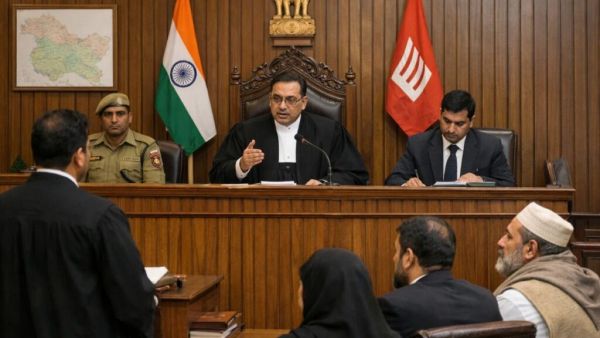
A court of Jammu and Kashmir Pakistan Making a very important and clear comment regarding Occupied Kashmir (PoK), he has said that PoK is an integral part of India. The Foreigners Act cannot be implemented on the basis of allegations of movement from there unless concrete and credible evidence of a person being a foreign citizen or illegal entry is presented.
Chadoora-based Judicial Magistrate First Class Syed Tayyab Bukhari, while commenting in the case State/UT of J&K vs Mohammad Maqbool Rather and others, said that PoK is neither a part of Pakistan nor can a person be considered a foreigner merely by visiting there, because that area is a part of India, even if under illegal occupation.
The prosecution failed to prove the charges.
The court said that the prosecution completely failed to prove that the accused crossed the border illegally, took arms training or violated the Foreigners Act. According to the court, neither any travel record, nor border crossing details, nor intelligence input nor any recovery memo was presented.
What is the matter?
This case was to allegations that Mohammad Maqbool Rather went to PoK about two decades ago, took arms training there, got married and later returned to Jammu and Kashmir with his wife Parveen Akhtar and children without valid documents. On the basis of alleged information received by the police in August 2012, a case was registered under the Enemy Agents Ordinance and Foreigners Act.
Chargesheet filed in 2018
However, after the completion of the investigation, the charge sheet was filed in 2018, but during the trial, the weakness of the prosecution became clear. Out of the total eight witnesses, only two were produced in the court, while the investigating officer was never called to testify. Prosecution evidence was closed in June 2025.
A witness retracted his statement
During cross-examination, one witness admitted that he had no personal knowledge of the accused going to Pakistan, while the other witness retracted his earlier statement and called the allegations false and baseless. The court termed these testimonies as hearsay and unreliable.
The Court said in clear words that in criminal jurisprudence, doubt, no matter how serious, cannot be a substitute for concrete evidence. Non-appearance of the investigating officer, lack of documentary evidence and inability to prove the essential elements of the crime proved fatal for the prosecution. Due to all these reasons, the court acquitted both the accused of all charges, canceled their bail and ordered the release of the seized property.
-
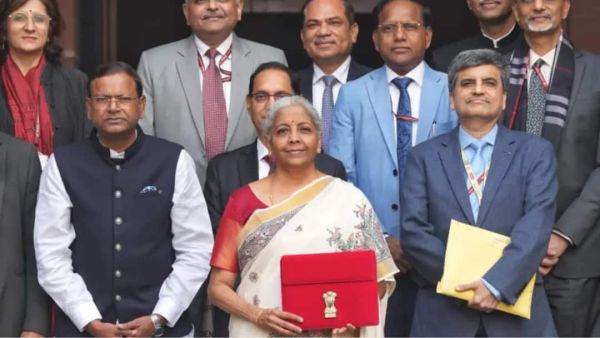
Union Budget 2026: What Time Will Nirmala Sitharaman Present The Budget?
-
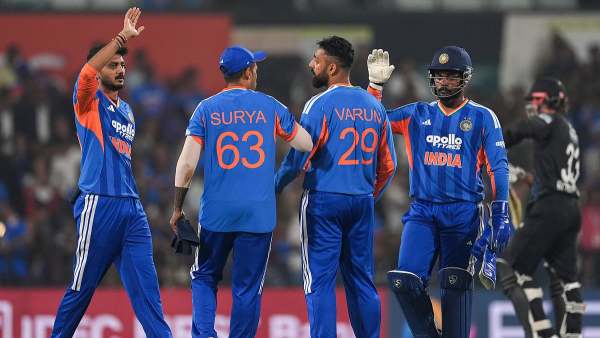
IND Vs NZ 5th T20I: Ishan Kishan Century, Arshdeep Singh Fifer In Demolition Job, India Clinch Series 4-1 After 46-Run Win
-
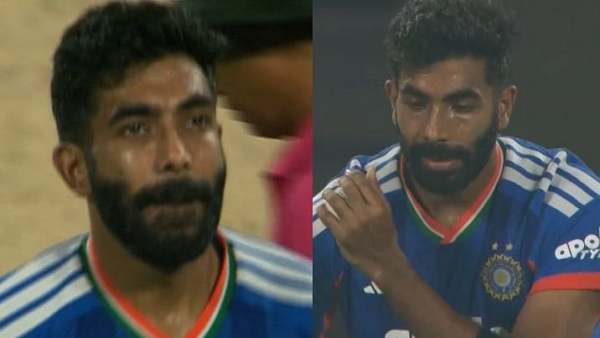
Worrying Signs For Team India? Jasprit Bumrah Bowls His Most Expensive Over In Worst Ever Spell Ahead Of ICC T20 World Cup 2026
-
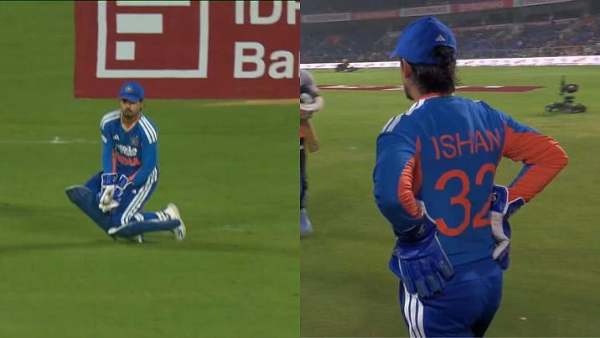
Bad News For Sanju Samson Fans? Ishan Kishan Takes Over Wicket-Keeping After Maiden Ton Ahead Of ICC T20 WC 2026
-
Delhi University's Miranda House Researchers Develop Sensor To Detect Heart Attack Risk Among Soldiers In Extreme Cold