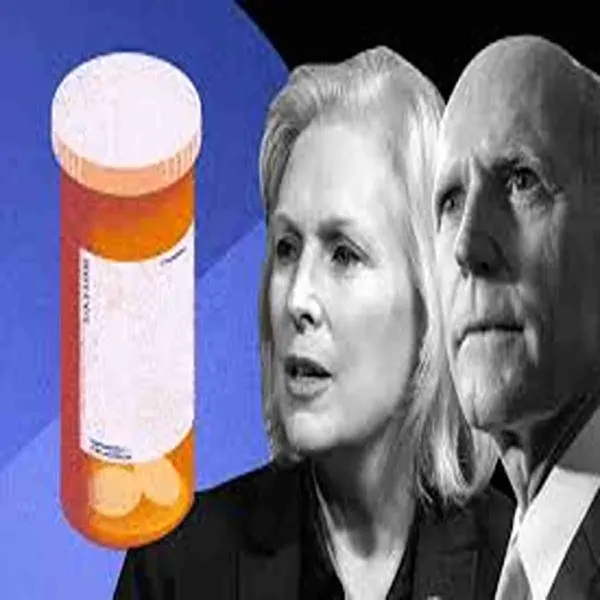
US : lawmakers have renewed efforts to require country-of-origin labeling on prescription medicines, arguing that the Covid-19 pandemic exposed serious weaknesses in America’s reliance on overseas drug manufacturing. During a recent Senate hearing, legislators from both parties said patients and healthcare providers deserve clearer information about where medicines and their key components are produced, particularly as global supply disruptions remain a real risk.
Pandemic Disruptions Highlighted at Senate Hearing
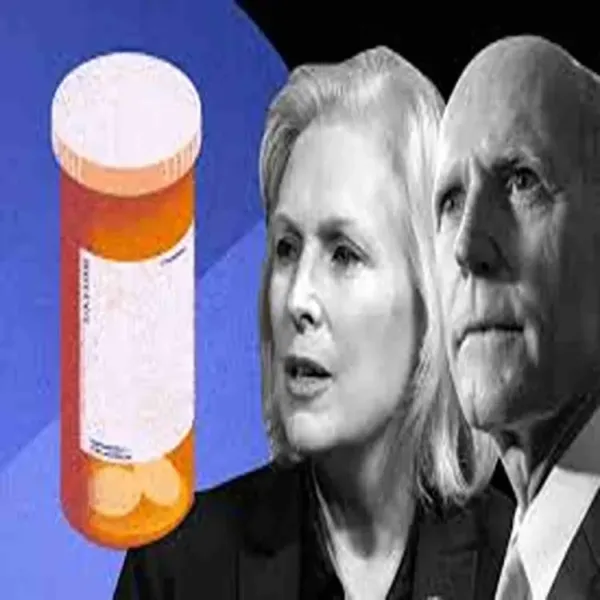
The issue was raised during a hearing of the Senate Special Committee on Aging titled “Truth in Labeling: Americans Deserve to Know Where Their Drugs Come From.” Lawmakers focused on how temporary export restrictions during the pandemic, including limits imposed by India on certain pharmaceutical ingredients, underscored the fragility of the US drug supply.
Committee Chairman Rick Scott said the pandemic served as a warning that the United States lacks sufficient safeguards if foreign suppliers reduce or halt exports of essential medicines.
Proposal Calls for Mandatory Manufacturing Disclosure
Scott used the hearing to promote his proposed CLEAR LABELS Act, which would require prescription drugs sold in the United States to clearly disclose where the finished product and its critical ingredients are manufactured. He said patients, doctors, and pharmacists currently have limited visibility into the origins of most medicines, particularly generic drugs.
According to Scott, generic medicines account for roughly 91 percent of all US prescriptions, and nearly all rely on active pharmaceutical ingredients produced outside the country, largely in China and India. He argued that this lack of transparency makes it harder for regulators to ensure safety and quality.
Oversight Challenges at Foreign Facilities
Lawmakers also raised concerns about the effectiveness of federal inspections at overseas manufacturing plants. Scott said foreign facilities are often notified in advance of inspections, giving them time to prepare. He cited reports of sanitation and compliance problems discovered even after such warnings, calling the system inadequate for protecting patients.
He framed the issue not only as a public health concern but also as a national security risk, warning that the United States has limited contingency plans if overseas drug production is disrupted again.
Seniors Seen as Especially Vulnerable
Senator Ashley Moody, who chaired part of the hearing, emphasized that consumers generally have no practical way to determine where their medicines are made. She noted that FDA import alerts have repeatedly flagged foreign facilities for serious violations, including contamination risks, falsified records, and non-sterile production environments.
Moody said older Americans are particularly affected because they rely heavily on generic medicines and often lack alternatives when shortages or recalls occur.
Experts Support Transparency but Urge Broader Reforms
Witnesses largely supported the idea of improved transparency but cautioned that labeling alone would not resolve deeper structural problems in the generic drug market. John Gray, a professor at Ohio State University, said the long-held assumption that all generic drugs are interchangeable is increasingly questionable as production has shifted overseas.
Gray recommended adding QR codes to packaging that would allow users to access searchable information about manufacturing locations and potential quality risks. He argued that making such data public could encourage competition based on quality rather than price alone.
Market Pressures and Quality Considerations
Michael Ganio of the American Society of Health-System Pharmacists said country-of-origin disclosure is currently voluntary and insufficient. He argued that greater transparency could help counter what he described as a race to the bottom in generic drug pricing, while also supporting incentives for domestic manufacturing and stronger oversight.
Ganio cautioned, however, that manufacturing location alone does not guarantee quality, noting that high standards depend on consistent regulation and enforcement.
Global Dependence Remains a Central Concern
Stephen W. Schondelmeyer of the University of Minnesota described India as a crucial yet complex part of the global pharmaceutical supply chain. While acknowledging that high-quality products do come from India, he said uneven regulation and limited public visibility make it difficult to assess risks.
Other experts pointed to international models, such as New Zealand’s publicly accessible drug databases, as examples of how transparency could be improved without misleading consumers.
Lawmakers Continue Review of Draft Legislation
The Senate committee said the hearing record will remain open as lawmakers review draft proposals. US officials have warned for years that heavy dependence on foreign drug manufacturing increases exposure to shortages and quality lapses. The pandemic intensified bipartisan scrutiny, and lawmakers signaled that legislative action remains under active consideration.
-
Babar Azam: No four, no six… strike rate of only 40, Babar Azam again made fun of in T20I

-
People born on these dates of birth never get success, “they waste time just thinking!” – News Himachali News Himachali

-
How we empower the ugly Indian abroad every day

-
The great Indian non-fiction reading cop-out

-
Taking the sting off the venom: Why Mammootty's Kalamkaval falls short of its true story