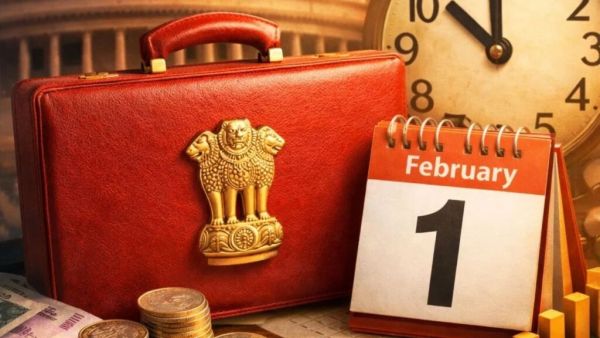
Budget 2026: Now only a few hours are left for the presentation of the biggest economic event of the year 2026 i.e. the General Budget 2026. As soon as Finance Minister Nirmala Sitharaman reaches Parliament on the morning of 1 February with her budget briefcase i.e. digital tab in her hand, the eyes of the entire country will be focused on her announcements. This budget is coming at a time when the global economy is going through a period of instability and India is trying to give a new impetus to its growth rate.
Discussions are intense regarding Budget 2026. In such a situation, if we turn the pages of India’s budgetary history, then some such budgets come to the fore which not only made headlines, but also changed the direction of the country’s economy. Let us know the 5 most talked about budgets of India and their special story.
Black Budget (1973)
The first famous budget in the economic history of India is known as ‘Black Budget’. It was started in the year 1973 by the then Finance Minister Yashwantrao B. Chavan had presented. At that time the economic condition of the country was very bad and India was struggling with a fiscal deficit of about Rs 550 crore. During this period of Indira Gandhi government, major decisions like nationalization of coal mines were taken. Due to the weak economy and empty treasury, this budget is considered a symbol of the most difficult economic period in history.
Liberal Budget (1991)
The budget of 1991 proved to be a turning point for the Indian economy. This budget presented by the then Finance Minister Dr. Manmohan Singh is known as ‘Liberalization Budget’. At that time India’s foreign exchange reserves were almost exhausted. Through this budget, the License Raj ended and the Indian economy was opened to the global market. The path for foreign investment was cleared by this budget, which is considered to be the beginning of economic independence of modern India.
Dream Budget (1997)
The budget presented in the year 1997 provided relief to both the middle class and the corporate sector. Finance Minister P. Chidambaram made major cuts in income tax, corporate tax and surcharge, due to which this budget was called ‘Dream Budget’. The government believed that reducing taxes would increase tax compliance and people would have more money left to spend. For the middle class, this budget was like a dream come true.
Millennium Budget (2000)
The ‘Millennium Budget’ of 2000, presented at the beginning of the new century, became the foundation of India’s technological future. Finance Minister Yashwant Sinha in the Atal Bihari Vajpayee government laid out the vision of making India an IT superpower in this budget.
Custom duty was reduced on technical items like computers, software and CDs. The result of this thinking is that today India is leading the world in the field of IT and software services and lakhs of jobs have been created for the youth.
Rollback Budget (2002)
The budget presented in the year 2002 became difficult for the government and was recorded in history as ‘Rollback Budget’. In this budget, there was a proposal to increase LPG prices and service tax. After huge protests across the country, the government had to withdraw its decisions. Since many important decisions had to be rolled back, this budget got this name. Now all eyes are on Budget 2026. It will be interesting to see whether this budget will also be able to make its own mark in the economic history of India in the coming years.
-
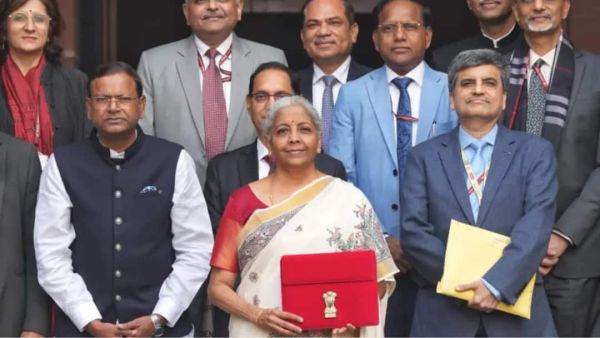
Union Budget 2026: What Time Will Nirmala Sitharaman Present The Budget?
-
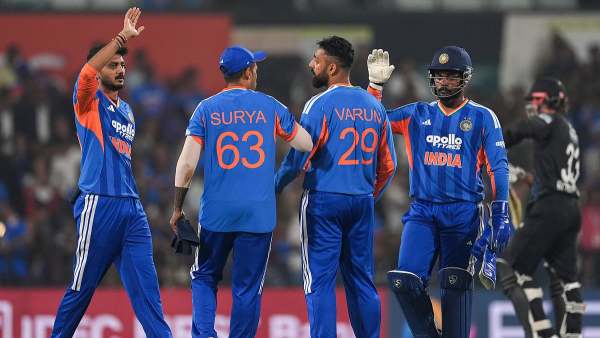
IND Vs NZ 5th T20I: Ishan Kishan Century, Arshdeep Singh Fifer In Demolition Job, India Clinch Series 4-1 After 46-Run Win
-
Worrying Signs For Team India? Jasprit Bumrah Bowls His Most Expensive Over In Worst Ever Spell Ahead Of ICC T20 World Cup 2026

-
Bad News For Sanju Samson Fans? Ishan Kishan Takes Over Wicket-Keeping After Maiden Ton Ahead Of ICC T20 WC 2026

-
Delhi University's Miranda House Researchers Develop Sensor To Detect Heart Attack Risk Among Soldiers In Extreme Cold