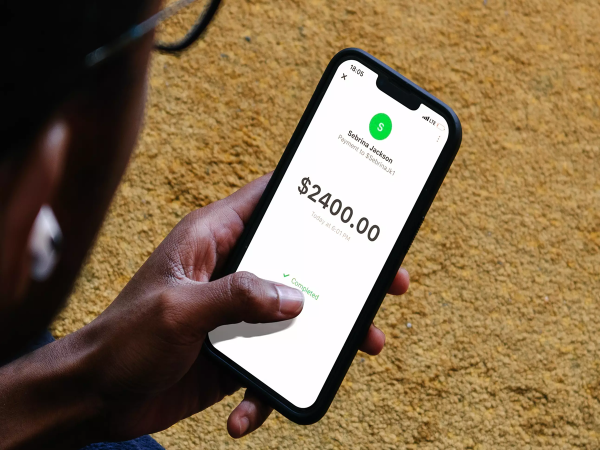
The government has taken major action against an organized cyber fraud network operating through the Android app Wingo. It was found that the app was sending fraudulent SMS messages from users' phones without their knowledge, prompting the government to block its digital infrastructure and associated online channels. An alert has also been issued to Android users, advising them to be wary of this scam and to avoid downloading unnecessary applications.
According to an India Today report, acting on multiple complaints, the Indian Cybercrime Coordination Centre under the Ministry of Home Affairs took action to dismantle this scam ecosystem. Officials stated that the app lured users with promises of quick money while secretly misusing their devices and personal data.
As part of the crackdown, the command and control servers associated with the Wingo app were geo-blocked. Additionally, officials said that four Telegram channels linked to Wingo, with a combined user base of over 1.53 lakh, were blocked, and more than 53 related videos were removed from YouTube.
How did Wingo perpetrate the cyber fraud?
The app promised users quick earnings and high returns in a short period. Users were asked to deposit money under the pretext of completing small tasks or making investments, after which the app would shut down, or the user accounts would be blocked.
Instead of secure banking channels, payments were made via UPI or personal wallets, making it difficult to track the transactions. The app also requested access to contacts, gallery, and location data, posing a serious risk of personal data theft.
Fake customer care numbers were provided, and once money was lost, the support channels became unresponsive. In many cases, as complaints mounted, the app disappeared from the Google Play Store. Users were also encouraged to recruit others to earn more, indicating a referral-based Ponzi scheme.
How can Android users protect themselves? Android users have been advised to avoid apps that claim guaranteed or daily profits, to check the app's details before downloading, and to refrain from granting unnecessary permissions such as access to contacts, gallery, or SMS.
The government advisory states that users should never pay money in advance for promised rewards, avoid making payments to unknown UPI IDs or QR codes, and never share OTPs or bank details.
The government has urged users to uninstall suspicious apps and report them immediately on the central government's dedicated portal for combating cyber fraud. Victims are also advised to immediately call the cybercrime helpline 1930, file a complaint, and block transactions through their bank or UPI application.
Disclaimer: This content has been sourced and edited from Dainik Jagran. While we have made modifications for clarity and presentation, the original content belongs to its respective authors and website. We do not claim ownership of the content.
-
Georgia Wareham Stars with Bat and Ball as Gujarat Beat Mumbai Indians in WPL 2026

-
Budget 2026 Updates: For the first time in the history of independent India, the budget will be presented on a Sunday..

-
Millions of Brits 'lose £122 each while they sleep' - how to beat 'silent' savings threat

-
PM Kisan Yojana 22nd Installment: Will the wait finally end tomorrow, and will Rs. 2000 be credited to accounts?

-
Vin Diesel Announces Title & Release Date For Next Fast And Furious Movie; Fast Forever To Arrive In March 2028