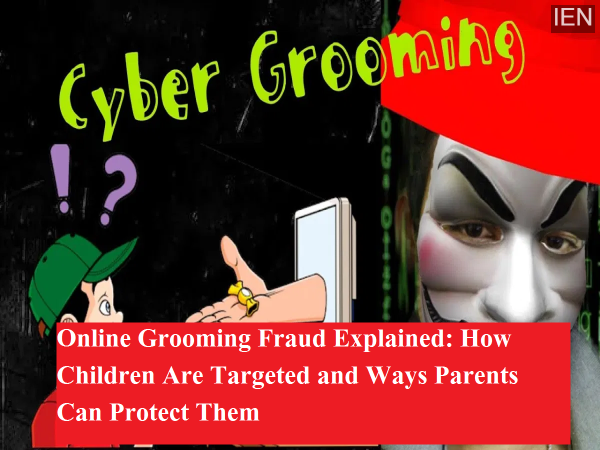
As children spend more time on the internet for education, entertainment, and social interaction, new digital risks are emerging. Social media platforms, online games, and chat applications have become common spaces for children to make friends. However, behind these seemingly harmless interactions, cybercriminals are exploiting young users through a dangerous practice known as online grooming.
Authorities and cyber safety experts have issued warnings after a growing number of children were found to be victims of this form of cyber fraud. Online grooming is a gradual and manipulative process in which criminals pretend to be someone trustworthy—often another child—to gain emotional control over their target. Over time, this can threaten a child’s privacy, mental well-being, and personal safety.
What Is Online Grooming?
Online grooming is a method used by cyber offenders to establish a relationship with a child through fake identities and false age information. The goal is to build trust and emotional dependence before exploiting the child for personal gain.
Criminals usually contact children through gaming platforms, social media, or messaging apps. They pose as friendly peers and begin conversations about common interests such as school, hobbies, favorite games, or movies. These interactions appear innocent at first, making it difficult for children and even parents to detect danger.
As trust grows, the conversation becomes more personal. The offender slowly encourages secrecy and isolates the child from parents or guardians by using phrases like, “This is our secret,” or “Don’t tell anyone about our chats.” This is the point where the situation turns risky.
How Online Grooming Scams Operate
Online grooming follows a well-planned pattern:
-
Creating a Fake Identity: The offender pretends to be a child or a friendly teenager using fake photos and profiles.
-
Building Friendship: They talk about shared interests to make the child feel comfortable and understood.
-
Gaining Trust: Over time, they establish emotional closeness and position themselves as a “best friend.”
-
Requesting Private Content: Once the child feels safe, the offender may ask for personal photos, videos, or private information.
-
Emotional Pressure and Threats: In many cases, children are emotionally manipulated or threatened with harm if they refuse or tell an adult.
This process can lead to emotional distress, blackmail, and long-term psychological harm for children.
Why Children Are Vulnerable
Children often lack awareness of online risks and may not understand the consequences of sharing personal information. Their natural curiosity and desire for friendship make them easy targets for manipulation. The anonymity of the internet allows criminals to hide their real identities and approach multiple victims at the same time.
Additionally, many children hesitate to report uncomfortable conversations because they feel scared, ashamed, or confused. This silence gives offenders more power and time to continue their actions.
How to Protect Children from Online Grooming
Awareness and open communication are the strongest tools against online grooming. Parents and guardians should take an active role in guiding children’s online behavior.
Key safety measures include:
-
Encourage Open Conversations: Children should feel safe talking to parents about anything they experience online.
-
Never Share Personal Information: Teach children not to share their age, school name, address, phone number, or photos with strangers.
-
Avoid “Secret” Chats: Any person who insists on keeping conversations secret should be blocked immediately.
-
Trust Instincts: If a chat makes a child feel scared, uncomfortable, or pressured, they should inform an adult without delay.
-
Use Privacy Settings: Parents should ensure that social media and gaming accounts have strong privacy controls enabled.
-
Monitor Online Activity: Without invading privacy, parents should stay aware of the platforms their children use and the people they interact with.
Where and How to Report Online Grooming
Silence is not the solution when online grooming is suspected. Quick action can prevent further harm.
If a child or parent notices suspicious behavior:
-
Report the issue to the national cyber crime helpline or the official online cyber crime reporting portal.
-
Inform the local police station if the situation appears serious or involves threats or blackmail.
-
Preserve evidence such as screenshots or chat records to support the complaint.
Timely reporting not only protects the child but also helps authorities track and stop offenders from targeting other victims.
A Shared Responsibility
Online grooming is a growing cyber threat that demands attention from parents, schools, and digital platforms. Children must be educated about online boundaries just as they are taught about safety in the real world. With proper awareness, supervision, and communication, families can reduce the risk of such fraud and create a safer digital environment for young users.
In conclusion, while the internet offers valuable learning and social opportunities for children, it also carries hidden dangers. Understanding what online grooming is and knowing how to prevent it can make a crucial difference in protecting children from cyber exploitation.
-
Urgent 'do not eat' warnings issued for popular crisps, burgers and rice - full list

-
The Boys' Homelander star lands very different role in Netflix surfing drama

-
Another Karnataka cop caught accepting bribe, second in a day

-
Thousands of Brits warned state pension 'mistake' could cost them £12k a year

-
WLP T20 League 2026: Dale Steyn's limping stump celebration brings laughter among Maharashtra teammates