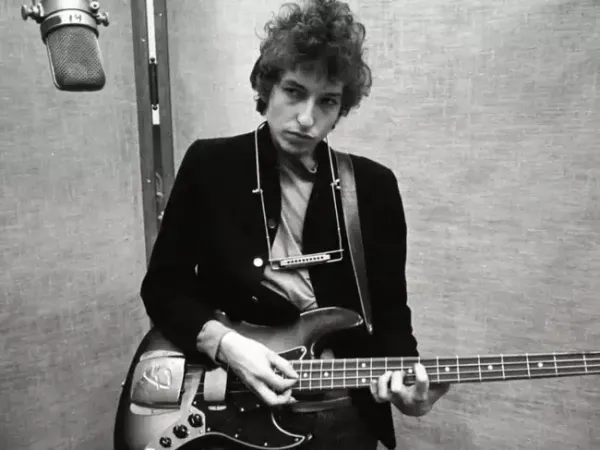
Bob Dylan, one of the most influential cultural figures of the modern era, is widely known for using music and words to question power, freedom, and individual conscience. Across decades, his lyrics and writings have explored how personal choices connect with social responsibility. One quote that continues to stand out for its clarity and relevance is, “A hero is someone who understands the responsibility that comes with his freedom.” The statement captures Dylan’s belief that freedom is not just a right, but a duty that must be handled with awareness and care.
At its heart, the quote suggests that heroism is not about dramatic acts or public recognition. Instead, Dylan frames a hero as someone who recognises that freedom brings consequences. The ability to act freely also requires an understanding of how those actions affect others. This idea challenges the notion that freedom means acting without limits and instead presents it as something that must be guided by responsibility and moral judgment.
The quote also reflects a broader social message that has remained central to Dylan’s work. By linking freedom with responsibility, he highlights the importance of accountability in both personal and public life. The message implies that real strength lies in restraint, empathy, and awareness. In this sense, heroism becomes a quiet and consistent practice rather than a moment of spectacle.
Bob Dylan was born on May 24, 1941, in Duluth, Minnesota, under the name Robert Allen Zimmerman. According to IMDb, his father worked for the Standard Oil Company, and the family later moved to Hibbing, Minnesota. During his school years, Dylan taught himself piano and guitar and played in several bands. He briefly attended the University of Minnesota in 1959, where he began performing under the name Bob Dylan in local clubs.
In 1961, Dylan moved to New York City and became part of the growing folk music scene in Greenwich Village. Deeply influenced by American folk traditions and artists such as Woody Guthrie, he focused on songwriting that reflected social issues, personal belief, and political awareness.
Poetry Foundation highlights that Dylan’s writing is known for its verbal skill, metaphor, and social commentary. His lyrics have influenced not only musicians but also writers and poets, earning recognition in literary circles as well as the music industry.
At its heart, the quote suggests that heroism is not about dramatic acts or public recognition. Instead, Dylan frames a hero as someone who recognises that freedom brings consequences. The ability to act freely also requires an understanding of how those actions affect others. This idea challenges the notion that freedom means acting without limits and instead presents it as something that must be guided by responsibility and moral judgment.
The quote also reflects a broader social message that has remained central to Dylan’s work. By linking freedom with responsibility, he highlights the importance of accountability in both personal and public life. The message implies that real strength lies in restraint, empathy, and awareness. In this sense, heroism becomes a quiet and consistent practice rather than a moment of spectacle.
Bob Dylan was born on May 24, 1941, in Duluth, Minnesota, under the name Robert Allen Zimmerman. According to IMDb, his father worked for the Standard Oil Company, and the family later moved to Hibbing, Minnesota. During his school years, Dylan taught himself piano and guitar and played in several bands. He briefly attended the University of Minnesota in 1959, where he began performing under the name Bob Dylan in local clubs.
In 1961, Dylan moved to New York City and became part of the growing folk music scene in Greenwich Village. Deeply influenced by American folk traditions and artists such as Woody Guthrie, he focused on songwriting that reflected social issues, personal belief, and political awareness.
Work, Themes, and Artistic Evolution
As noted by the Nobel Prize website, Dylan’s songwriting is rooted in American folk music and influenced by modernist poetry and the beat movement. His early work addressed social struggles and protest, while later songs explored love, religion, and identity. Over time, Dylan continued to reinvent his sound, moving across folk, rock, country, gospel, and other styles without losing his lyrical depth.Poetry Foundation highlights that Dylan’s writing is known for its verbal skill, metaphor, and social commentary. His lyrics have influenced not only musicians but also writers and poets, earning recognition in literary circles as well as the music industry.


