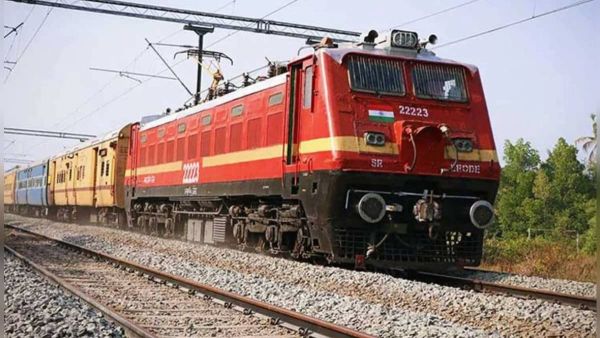
New Delhi: Finance Minister Nirmala Sitharaman is set to unveil the Union Budget 2026-27 on Sunday (February 1). A robust capex surge for railways is anticipated, as it continues to remain a key component in the financial roadmap of the country. Unlike earlier decades, these allocations will be presented as part of the Union Budget, and not through a separate Railway Budget, a practice that was discontinued nearly a decade ago.
India's railway finances once had a standalone grip on the fiscal calendar. For nearly a century, the Railway Budget was presented separately, given the pivotal role the sector served in transport as well as economic mobility. That practice ended in 2017, when policymakers decided to subsume it into the broader Union Budget framework.
A separate railway budget
The concept of a separate Railway Budget had begun in 1924, when a committee under British rule recommended distinct financial planning for railways sector due to their strategic and commercial importance. After Independence in 1947, the practice continued for 92 years, with the Railway Minister presenting the budget a few days ahead of the Union Budget every year.
How did the merger come into existence?
In 2016, the Indian government decided to end the custom of having a separate budget for Indian Railways. The recommendations from a committee led by Bibek Debroy of NITI Aayog and a paper written by Debroy and economist Kishore Desai on ‘Dispensing with the Railway Budget’ led to this change.
They said that India was the only nation that still used separate budgets for railways and that it was redundant. They recommended streamlining fiscal discipline by combining the railway financial blueprint declaration into the main Union Budget. The memorandum was presented to Suresh Prabhu, then Railway Minister, urging an end to the decades-old practice. Later, Prabhu raised the subject of combining the Union Budget and the Railway Budget. In 2016, Finance Minister Arun Jaitley discussed this issue in the Rajya Sabha before combining the two budgets.
A significant benefit of the merger was that the Indian Railways no longer needed to pay annual dividends to the Centre, a practice that had strained railway finances for several years.
How it works now
Following the merger, since 2017, the Ministry of Railways has continued to function as a separate entity. However, the railways sector gets a distinct demand for grants and estimates, within the larger framework.
The Indian Railways is expected to receive a major capex push this time, with key areas of focus remaining to be heightened emphasis on safety, Kavach 4.0, and more Vande Bharat sleeper trains to ease travel facilities for the people.
-
Hujuge tattoo is done, will you burn the skin while wiping? Know the right way

-
Rani Mukerji applies this oil on her face. Rani Mukerji glowing skin secret

-
Simple ways to download PDF on mobile

-
Rs 10,000 crore fund to MSME in Budget 2026, top-up to micro units

-
IND U19 Vs PAK U19: Pak bowlers wreaked havoc, Suryavanshi could not play a big innings; India U19 limited to 252, path to semi-finals challenging
