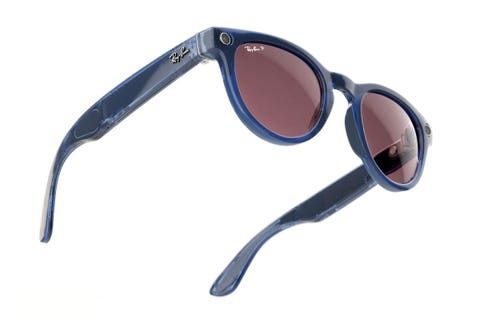
Samsung Electronics has officially confirmed that it will launch a new pair of smart glasses in 2026, marking a significant expansion of the company’s wearable technology strategy. The announcement came during Samsung’s Q4 2025 earnings call, where executives highlighted ambitious plans to deliver immersive multimodal AI experiences across devices, including smartphones, XR headsets and the forthcoming smart glasses.
This marks the first time Samsung has publicly set a release window for its much-anticipated wearable eyewear, long rumored in industry circles but until now without an official timeline. The product is expected to play a strategic role in Samsung’s push into the broader extended reality (XR) and artificial intelligence (AI) hardware landscape.
Unlike ordinary sunglasses, Samsung’s smart glasses are designed to be AI-aware and interactive, offering more than just passive display features. According to the company’s roadmap, the glasses will deliver “rich, immersive multimodal AI experiences,” combining voice, vision and gesture interactions through advanced sensor arrays and software.
This focus on multimodal AI means that users may interact with the device using speech, camera inputs, and contextual understanding, enabling experiences such as visual assistance, real-time notifications, translation, contextual reminders, and more without direct 2D screen interactions. The AI technology likely powered in part by Google’s Android XR platform and integrated Gemini or similar models promises smarter, more intuitive responses to user needs.
Analysts see this multimodal integration as a defining difference between early wearable concepts and true next-generation intelligent eyewear. Rather than simply relaying smartphone notifications, the glasses could proactively assist users based on context for example, calling out reminders when the wearer approaches a meeting location or offering translation while listening to speech in a foreign language.
Android XR and Ecosystem Partners
Samsung’s smart glasses are expected to be among the first devices to use Android XR, a platform developed collaboratively with Google for extended-reality wearables. Android XR is designed to run across a range of advanced wearable form factors from headsets like Samsung’s Galaxy XR to lightweight smart glasses.
Samsung has also worked with eyewear partners such as Gentle Monster and Warby Parker, aiming to give its smart glasses a design that moves away from clunky tech toward everyday wearable comfort. These partners bring fashion and fit expertise that could help Samsung’s smart glasses appeal to mainstream consumers, a key challenge in wearable adoption.
The glasses will likely complement Samsung’s existing mobile ecosystem tying into Galaxy smartphones, tablets, and XR headsets, potentially allowing features like message replies, navigation info, and media control to be accessed seamlessly without reaching for a phone.
Design and Hardware Expectations
While Samsung has not confirmed full specifications, leaks and industry reporting provide clues about what to expect from the 2026 smart glasses. The device is believed to focus on a lightweight, daily-wear form factor, resembling traditional eyewear more than bulky headsets.
According to early reports:
- The glasses may include integrated cameras and motion sensors for environmental awareness.
- They could rely on onboard AI for gesture tracking, voice recognition, and contextual computing.
- The device will likely leverage Android XR and Gemini-like AI capabilities for intelligent interactions.
Industry speculation suggests Samsung might launch multiple variants from simpler AI glasses to more advanced AR-oriented models as part of a broader strategy to capture different segments of the wearable market.
Samsung’s confirmation positions it against a growing wave of competitors in the smart glasses and wearable category. Companies like Meta (with Ray-Ban Meta and upcoming display glasses) and Google (Android XR partners) have already signaled ambitious 2026 launches for similar products.
Meta’s Ray-Ban Meta glasses, for example, combine a discreet design with camera, audio, and basic AR capabilities, while future versions plan to add display functionality and deeper AI interaction. Samsung’s entry with Android XR support aims to offer a more flexible platform that could potentially bridge casual use and richer AR interactions.
Apple and other tech giants are also rumored to be pursuing their own smart eyewear strategies, though many of those efforts are targeted for 2026 or later. Samsung’s earlier timeline could help it gain a first-mover advantage in the mainstream wearable category.
Despite the excitement, smart glasses face significant hurdles before they become everyday staples. Battery life, ergonomic comfort, price points, and privacy/security concerns especially with integrated cameras and always-on sensors remain challenges for both developers and regulators. Additionally, convincing users that wearable AI can be genuinely useful without becoming intrusive will be key.
Samsung’s partnership with Google and eyewear designers could help address design and usability concerns, but much depends on software polish and real-world functionality. Early adopters will likely judge these devices not just by specs, but by how seamless and natural they feel in daily life.
Samsung has not yet announced an exact release date or price for its 2026 smart glasses, but industry observers expect more details including hardware demos to appear before a likely second-half release window.
If Samsung succeeds in delivering wearable tech that feels genuinely useful and intuitive, it could redefine how millions of users interact with digital services moving beyond phones and watches into hands-free, context-aware computing.
In a world increasingly defined by AI and immersive experiences, Samsung’s smart glasses represent more than a new gadget: they signal a shift toward everywhere-accessible intelligence, where digital support follows users as they live, work, and explore the world.
-
Too many forwards? Your phone's carbon footprint is laughing at you

-
Custom Duty on Gold and Silver in Budget 2026: Cheaper or Costlier? Here's What Really Changed

-
Union Budget 2026: From SHE Marts to Girls' Hostels, A Strong Push for Women's Empowerment

-
Budget 2026 Brings Clarity on ITR Deadlines: July 31 Fixed for ITR-1, Check New Timeline for ITR-2

-
Budget 2026 Highlights: Sitharaman's Ninth Budget Focuses on Growth, Jobs and Inclusive Development
