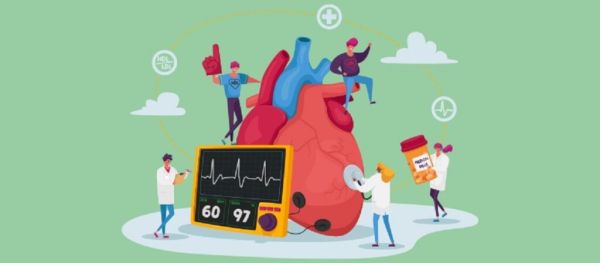
Actually, cholesterol is a fat-rich substance, which is necessary for the formation of cells in the body. But when low-density lipoprotein (LDL), commonly known as “bad” cholesterol, becomes high, it can deposit plaque in the arteries and increase the risk of heart disease or stroke. At the same time, high-density lipoprotein (HDL) is called good cholesterol, which helps in removing LDL from the bloodstream.
Although drugs like statins are given in this problem, cholesterol levels can be significantly improved by changes in lifestyle. Research suggests that these changes can reduce LDL by 5-10% or more, while exercise plays an important role in raising HDL and reducing LDL and triglycerides. The American Heart Association (AHA) recommends at least 150 minutes of moderate-intensity aerobic activity or 75 minutes of vigorous activity per week for heart health and cholesterol management.
Aerobic exercise increases the body’s ability to convert fat into energy, and resistance training helps increase HDL. A combination of both is most effective. High-intensity aerobic activity is more effective at reducing LDL and triglycerides, while resistance training increases HDL.
Benefits of walking:
Walking is the simplest and most effective way to reduce cholesterol. Walking at a pace where you can talk but not sing can have a positive effect on lipid levels. Research has found that regular walking lowers LDL cholesterol and the total cholesterol/HDL ratio, even if weight does not change. According to one study, a walking program reduced LDL by an average of 7.4 mg/dL.
Scientifically, walking increases enzyme activity that transports cholesterol from tissues to the liver, increasing HDL and reducing LDL oxidation. Walking has the same effect as running in reducing the risk of hypercholesterolemia. Experts recommend that these changes can be seen by walking for 45 minutes daily, five days a week.
In addition to walking, easy bodyweight exercises strengthen muscles, increase insulin sensitivity and help manage cholesterol.
Example:
- squats: Strengthen legs and core; 3 sets × 10-15 reps.
- push-ups (or wall/knee variant): Target the chest and arms.
- planks: Hold 20-60 seconds to activate the core.
- lunges:Alternate legs for balance and lower-body strength.
Research shows that resistance exercise, whether bodyweight or with bands, is effective for increasing HDL. This also reduces triglycerides. This should be done in conjunction with aerobic activity 2-3 times per week.
Some other tips include body fat Reduce, avoid trans fats and it is advisable to consume soluble fiber from oats, beans and fruits. Maintaining a healthy weight reduces excess fat, inflammation and LDL production. Also, quitting smoking and drinking increases HDL and protects the arteries from damage.
Lifestyle changes are a powerful, drug-free way to manage cholesterol. Regular walking and simple exercise, with scientific evidence, can improve lipid profiles, reduce the risk of heart disease and improve overall health. Start small, stay regular, and consult a doctor for personalized advice.
Ankita Bhandari murder case: CBI investigation started, case registered against ‘unknown VIP’!
India-US trade agreement: No compromise with farmers’ interest
Bihar: Finance Minister Bijendra Yadav presented a budget of Rs 3.47 lakh crore!
-
Meghan Markle dealt embarrassing As Ever blow in latest Netflix 'snub'

-
Significance of Phalgun Maas 2026: A Month of Renewal and Celebration

-
Glaucoma Warning Signs That Can Lead to Vision Loss

-
A one-and-a-half-year-old child swallowed a "Hulk" toy. What should you do if your child swallows a marble, coin, or toy?

-
Why the Heart Feels Heavy at Night Krishna Shows the Way