Related
- Book of the Day: Betting on You by Lynn Painter — Office rom-com that wagers big on banter, heart, giggles, and sighs
- From ‘Peerenting’ to Letting Go: 15 Modern Family Quotes that perfectly cherish the love and chaos in families
Did you know: What sounds like science fiction, your brain “eating” itself, is in fact rooted in real biology. The human brain engages in a continuous cellular housekeeping process known as phagocytosis, where specialized immune cells engulf and remove unwanted or damaged material to maintain neural health and function.
Unlike the dramatic wording of “brain eating itself,” phagocytosis isn’t harmful under normal conditions. Instead, it’s a vital cleanup mechanism that preserves brain health by removing cellular debris and pruning unnecessary connections.
This gorge-and-digest activity isn’t random: microglia respond to specific molecular signals. When neurons or synapses show markers of being spent or unnecessary, microglia engulf and break them down. This is essential during brain development, for refining neural circuits, and throughout life to prevent the buildup of toxic debris.
While the phrase “brain eating itself” may be dramatic, it’s an oversimplification of a complex, normal, and beneficial biological process. Phagocytosis by microglia helps preserve cognitive health and keeps neural circuits running smoothly throughout life.
What Is Phagocytosis?
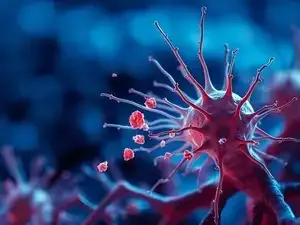
Phagocytosis is a fundamental cellular mechanism in which a cell engulfs and digests particles, such as dead cells, debris or pathogens. In the brain, this task is performed largely by microglia, a type of glial cell that acts as the central nervous system’s resident immune defender and maintenance crew.Unlike the dramatic wording of “brain eating itself,” phagocytosis isn’t harmful under normal conditions. Instead, it’s a vital cleanup mechanism that preserves brain health by removing cellular debris and pruning unnecessary connections.
Microglia: The Brain’s Housekeepers
Microglia make up about 5–10 per cent of the total cells in the brain and spinal cord. These cells constantly patrol the neural environment, identifying and removing waste, damaged cells, and old synaptic connections, the junctions between neurons, to ensure efficient functioning of neural networks.This gorge-and-digest activity isn’t random: microglia respond to specific molecular signals. When neurons or synapses show markers of being spent or unnecessary, microglia engulf and break them down. This is essential during brain development, for refining neural circuits, and throughout life to prevent the buildup of toxic debris.
Phagocytosis: Friend, Not Foe
In typical health, phagocytosis helps:- Remove dead neurons and cellular waste, preventing release of harmful contents.
- Shape and sculpt neural connections during development and learning.
- Control infections and inflammation by consuming pathogens or damaged cells.
How This Helps Your Brain
Far from being alarming, phagocytosis in the brain is more like regular maintenance: clearing debris, refining connections, and defending against threats. It keeps the neural environment “clean,” adaptable, and responsive, much like pruning a tree helps it grow stronger and healthier.While the phrase “brain eating itself” may be dramatic, it’s an oversimplification of a complex, normal, and beneficial biological process. Phagocytosis by microglia helps preserve cognitive health and keeps neural circuits running smoothly throughout life.