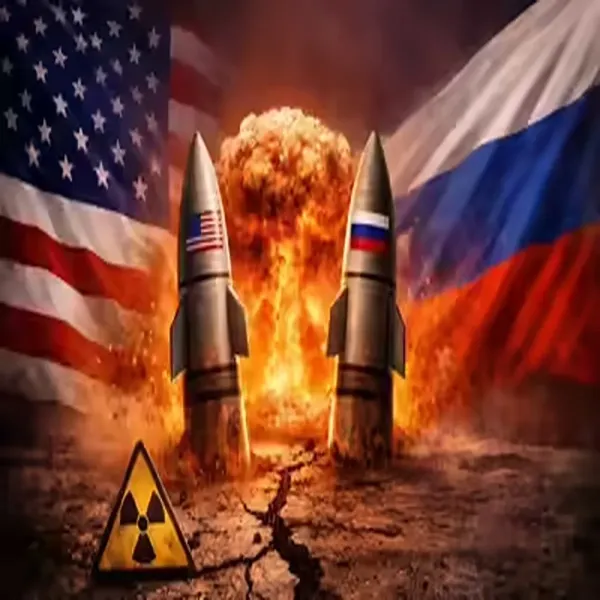
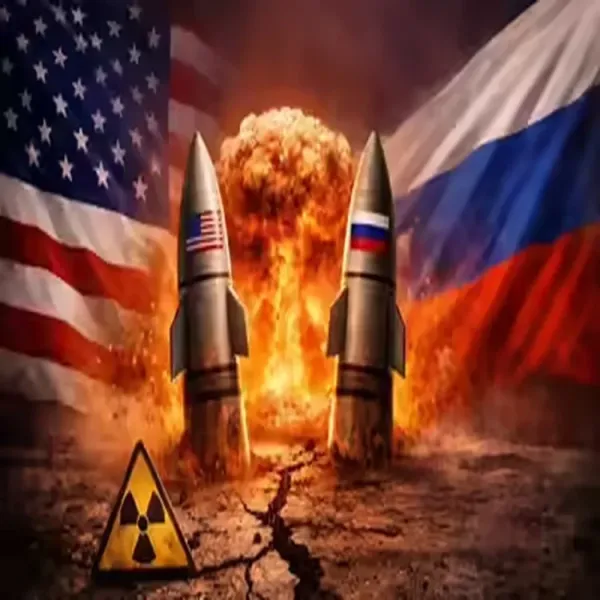
NuclearTreaty – The expiration of the New START agreement has raised fresh concerns about the future of global nuclear oversight, with United Nations Secretary-General Antonio Guterres cautioning that the development represents a significant setback for international security. The treaty, which placed limits on the number of nuclear warheads and strategic launch systems held by the United States and Russia, has long been viewed as a cornerstone of global stability. With the agreement now lapsed, experts fear the absence of binding constraints could heighten geopolitical tensions.
Longstanding Treaty That Shaped Nuclear Restraint
Introduced in 2011, the New START treaty played a critical role in controlling the scale of nuclear arsenals maintained by the world’s two largest nuclear powers. By setting verifiable ceilings on deployed warheads and delivery platforms such as intercontinental ballistic missiles and strategic bombers, the accord promoted transparency and reduced mistrust between Washington and Moscow.
Guterres highlighted that such arrangements have historically lowered the risk of catastrophic miscalculations. During and after the Cold War era, nuclear arms agreements were instrumental in avoiding escalation by encouraging communication and verification mechanisms. The treaty also contributed to the dismantling of thousands of nuclear weapons, reinforcing a global commitment to reduce the threat posed by these arms.
Rising Concerns Over Unchecked Nuclear Stockpiles
According to the UN chief, the treaty’s expiration marks the first time in over 50 years that there are no enforceable limits governing the strategic nuclear arsenals of the United States and Russia. Together, these two nations account for the overwhelming majority of nuclear weapons worldwide, making their policies and agreements central to international security frameworks.
Guterres warned that the current global climate is particularly fragile. He noted that the risk of nuclear weapons being deployed is believed to be at its highest level in decades, fueled by rising geopolitical rivalries and military tensions in multiple regions. Without formal agreements, analysts fear the potential for an arms race that could undermine decades of non-proliferation efforts.
Call for Renewed Dialogue and Diplomatic Commitment
Despite the uncertainty, the UN Secretary-General expressed cautious optimism that the situation could encourage fresh diplomatic engagement. He emphasized that both Russia and the United States have acknowledged the destabilizing consequences of an unchecked nuclear buildup. Their willingness to recognize these risks, he said, offers a foundation for renewed negotiations.
Guterres urged both nations to return to the negotiating table promptly to establish a replacement framework. He stressed that any successor agreement should include clear verification measures, effective safeguards, and updated provisions suited to evolving global security challenges. According to him, a modern arms control system must reflect advancements in technology and the changing nature of global military strategies.
Erosion of Previous Arms Control Agreements
The lapse of New START follows earlier setbacks in the global arms control architecture. In 2019, the United States withdrew from the Intermediate-Range Nuclear Forces Treaty, another key agreement designed to eliminate certain classes of nuclear and conventional missiles. The collapse of that pact heightened fears that the broader system of nuclear restraint could weaken further.
Experts warn that without sustained diplomatic engagement, the erosion of such treaties could reduce transparency between major powers and increase the likelihood of military misinterpretation. Arms control agreements have historically served as communication channels during periods of strained relations, helping prevent conflict escalation through accountability and monitoring.
Global Implications of a Changing Nuclear Landscape
The international community continues to monitor developments closely, recognizing that nuclear policy decisions made by major powers carry consequences beyond their borders. Guterres reiterated that global security depends on cooperative measures that reduce risks and build mutual trust among nations.
As discussions surrounding future agreements remain uncertain, many observers believe that sustained diplomatic efforts and international pressure will play a decisive role in shaping the next phase of nuclear arms regulation. The expiration of New START has not only reopened debate about nuclear deterrence but has also highlighted the urgent need for modern and enforceable arms control frameworks.
-
Injury Scare For India Before T20 World Cup, Star Bowler Unable To Walk Properly

-
ABP Live Pet First | 8 Dog Body Language Signals That Show What Your Pet Wants

-
Rupee Inches Up But Rally On Hold As RBI, Trade Deal Clarity Awaited

-
NEET UG 2026: NTA To Begin Registration Shortly At neet.nta.nic.in, Know How To Register

-
Dream Sports Championship Table Tennis 2026 Confirms U-15 Semi-final Line-up After Day 5 Action