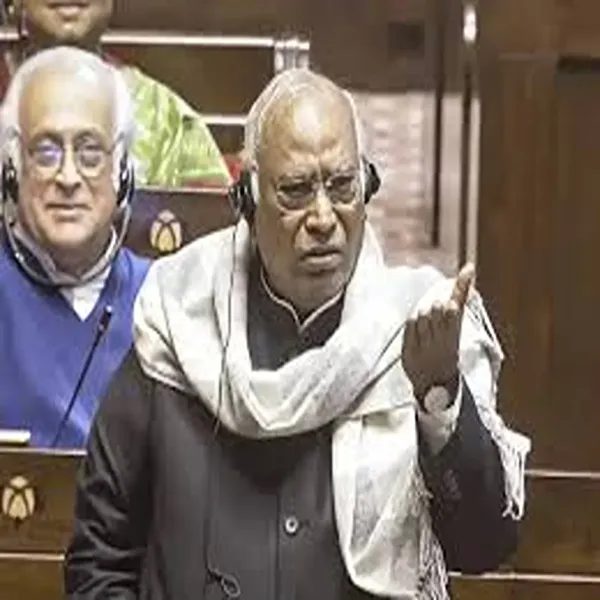
Parliament – Tensions escalated in India’s Upper House on Thursday after opposition members exited the session in protest when the Leader of Opposition was prevented from citing portions of a memoir related to the 2020 border tensions between India and China.
Disagreement Over Speaking Opportunity Sparks Protest
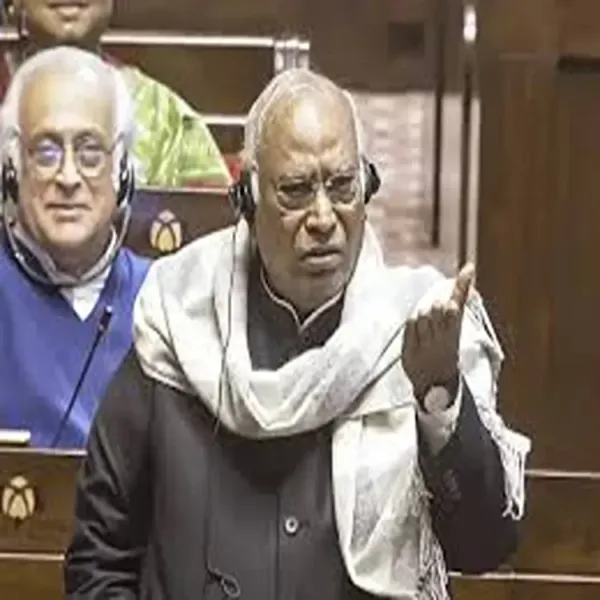
The standoff unfolded in the Rajya Sabha shortly after routine documents were tabled. As the Chair prepared to proceed with Zero Hour mentions, lawmakers from the Indian National Congress urged that their senior leader, Mallikarjun Kharge, be allowed to address the House first. The request triggered verbal exchanges between members from both sides, reflecting heightened political friction inside Parliament.
Opposition members insisted Kharge should be given priority, arguing that several pressing issues required his attention. The disagreement soon intensified, leading to interruptions that briefly stalled the scheduled proceedings.
Claims of Limited Discussion in Lower House
During the heated exchange, Kharge raised concerns about the functioning of the Lok Sabha. He alleged that opposition voices, including that of Congress leader Rahul Gandhi, were being restricted from participating effectively in debates.
Kharge stressed that both Houses of Parliament serve as fundamental pillars of democratic governance. He asserted that restricting dialogue weakens institutional processes and diminishes parliamentary accountability. His remarks drew sharp objections from members of the ruling alliance, who rejected the claims and defended the conduct of proceedings.
Controversy Over Reference to Military Memoir
The dispute deepened when Kharge attempted to quote excerpts from an unpublished memoir attributed to former Army chief M M Naravane. The book reportedly discusses aspects of the 2020 India-China border confrontation, a subject that remains politically sensitive.
Members on the Treasury benches objected to citing material from a book that has not yet been officially released. They argued that referencing unpublished content could lead to misinterpretation or incomplete representation of facts. Their objections further intensified the uproar within the House, making it difficult for normal proceedings to continue.
Opposition Parties Unite in Walkout
Amid persistent disruptions and mounting protests, lawmakers from several opposition parties collectively decided to stage a walkout. The protest included representatives from the All India Trinamool Congress, Aam Aadmi Party, Communist Party of India, and Communist Party of India (Marxist), along with Congress members.
Opposition leaders described the walkout as a symbolic demonstration against what they termed as restrictions on debate and expression inside Parliament. Meanwhile, government representatives maintained that procedural norms must be followed and insisted that the Chair’s decisions were made in accordance with parliamentary rules.
Continuing Political Differences Impact Parliamentary Functioning
The incident highlights the ongoing political divide between the ruling coalition and opposition parties over parliamentary functioning and freedom of debate. Repeated disruptions and protests have increasingly affected legislative productivity in recent sessions.
While both sides continue to defend their positions, observers note that disagreements over procedural matters and political narratives are likely to remain a recurring challenge. Parliamentary leaders are expected to hold further discussions to restore smoother functioning of both Houses in the coming days.
-
Sensex, Nifty fall sharply, snapping three-day rally amid global jitters

-
Lakshmir Bhandar Hike Before Vote? Mamata Banerjee May Announce Boost
-
UGC NET Result Released, Over 1 Lakh Candidates Qualify for PhD
-
UGC NET 2026 Results Announced: Over 1 Lakh Candidates Qualify for PhD
-
6G is coming to UAE, but you may not see it on your phone before 2030: e& chief