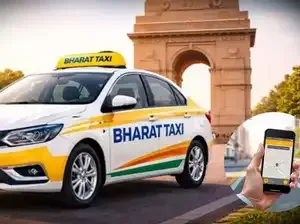
New Delhi: Union Home and Cooperation Minister Amit Shah on Thursday officially launched Bharat Taxi, India’s first government-backed ride-hailing platform based on a cooperative ownership model.
“Sarathi Hi Malik—driver is the owner,” Shah said at the launch event, highlighting the platform’s cooperative philosophy and focus on driver empowerment.
Also read: Bharat Taxi launched: Check benefits of govt's new 'surge-free, zero commission' cab app that is 30% cheaper than rivals Ola and Uber
Positioned as a direct challenge to private players such as Ola and Uber, Bharat Taxi aims to disrupt the entrenched app-based cab market with a model that removes commission fees and surge pricing for drivers and offers significantly lower fares for riders.
According to Press Information Bureau, the platform’s fare structure could be up to 30% cheaper than rival services while providing a transparent, regulated pricing mechanism.
Under the “Sarathi Hi Malik” model, drivers referred to as “Sarathis” are registered members of the cooperative, making them stakeholders in both ownership and profits. The cooperative model operates on a zero-commission, surge-free pricing framework, ensuring that full fare earnings go directly to the drivers without middle-man deductions typical of private aggregators.
The government has also built social security features into the platform, offering ₹5 lakh personal accident insurance and ₹5 lakh family health insurance for each driver, alongside retirement savings options and dedicated support centres in major regions such as Delhi. Drivers retain the freedom to operate on other ride-hailing platforms, with no exclusivity clauses.
Also read: Bharat Taxi begins trials in Delhi and Gujarat. Here's all you need to about this Uber alternative
Bharat Taxi’s debut comes after a successful pilot phase in the Delhi-NCR and Gujarat regions, where it onboarded over 3 lakh drivers and facilitated thousands of daily rides. The platform is integrated with India’s Digital Public Infrastructure (DPI), including tools like DigiLocker and UMANG, to streamline operations and verification.
Shah said that with nationwide expansion planned over the next two years, the service aspires to redefine ride-hailing while delivering greater equity for drivers and value for passengers.
“Sarathi Hi Malik—driver is the owner,” Shah said at the launch event, highlighting the platform’s cooperative philosophy and focus on driver empowerment.
Also read: Bharat Taxi launched: Check benefits of govt's new 'surge-free, zero commission' cab app that is 30% cheaper than rivals Ola and Uber
Positioned as a direct challenge to private players such as Ola and Uber, Bharat Taxi aims to disrupt the entrenched app-based cab market with a model that removes commission fees and surge pricing for drivers and offers significantly lower fares for riders.
According to Press Information Bureau, the platform’s fare structure could be up to 30% cheaper than rival services while providing a transparent, regulated pricing mechanism.
Under the “Sarathi Hi Malik” model, drivers referred to as “Sarathis” are registered members of the cooperative, making them stakeholders in both ownership and profits. The cooperative model operates on a zero-commission, surge-free pricing framework, ensuring that full fare earnings go directly to the drivers without middle-man deductions typical of private aggregators.
The government has also built social security features into the platform, offering ₹5 lakh personal accident insurance and ₹5 lakh family health insurance for each driver, alongside retirement savings options and dedicated support centres in major regions such as Delhi. Drivers retain the freedom to operate on other ride-hailing platforms, with no exclusivity clauses.
Also read: Bharat Taxi begins trials in Delhi and Gujarat. Here's all you need to about this Uber alternative
Bharat Taxi’s debut comes after a successful pilot phase in the Delhi-NCR and Gujarat regions, where it onboarded over 3 lakh drivers and facilitated thousands of daily rides. The platform is integrated with India’s Digital Public Infrastructure (DPI), including tools like DigiLocker and UMANG, to streamline operations and verification.
Shah said that with nationwide expansion planned over the next two years, the service aspires to redefine ride-hailing while delivering greater equity for drivers and value for passengers.