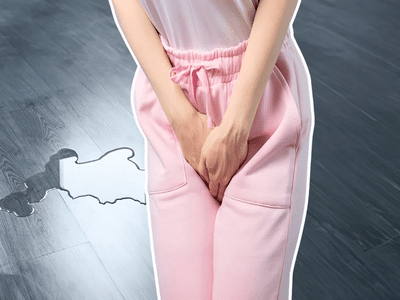
As we age, our bodies undergo many changes we never imagined. After the age of 50, many women face a problem that's not only physically distressing but also psychological and social: urinary incontinence.
Causes of urine leakage after 50Many women suffer from urine leakage out of embarrassment and assume it's an inevitable part of aging. However, experts believe it's not normal and can be completely cured with the right information. Let's learn its causes from Dr. Deepti Surekha, a renowned urologist in Hyderabad , so that preventive measures can be taken in time.

Menopause and hormonal changes
After menopause, estrogen levels in the body drop. This causes the lining of the bladder and urinary tract to become thinner and less elastic, increasing the risk of leakage.
Weakening of the pelvic floor musclesThe pelvic floor (the muscles that support the bladder) weakens with age. This weakness is further exacerbated by childbirth and menopause in women.
Neurological problemsStroke, Parkinson's, or diabetes can damage nerves, weakening the connection between the brain and the bladder.
Obesity and LifestyleIncreasing weight puts more pressure on the bladder. Furthermore, chronic coughing or constipation (which requires straining) can weaken the bladder valve. Smoking and not drinking enough water also worsen this problem.
Medicines and infections (UTI)
Some blood pressure medications or frequent urinary tract infections (UTIs) can irritate the bladder, making it difficult to hold urine.
Types of leakage that need to be identified- Stress incontinence – leaking when laughing, coughing, sneezing, or lifting weights.
- Urgent incontinence – feeling the urge to urinate so suddenly that it comes out before you reach the toilet.
- Overflow incontinence – The bladder does not empty completely and drops of urine keep dripping.
Doctor's advice: When should you see a urologist?
Dr. Deepti Surekha says that if urine leakage is affecting your sleep, daily activities or mental health, then does not hesitate and consult a doctor.
"Urinary incontinence isn't just a medical problem; it's about your quality of life. With modern treatments available today, there's no need to suffer in silence."
Image Credit: Shutterstock
-
Why is it important to sleep for 15 minutes after lunch? Know the reason and get the benefits of power nap

-
Valentine’s Day 2026: Luxury gift ideas to truly impress M’lady

-
What should singles do on Valentine’s day? Here are some special ways to express love

-
Online gaming addiction and children’s mental health

-
Trader Joe’s crowned ‘the new Sephora’ — here are the best beauty dupes for budget buyers