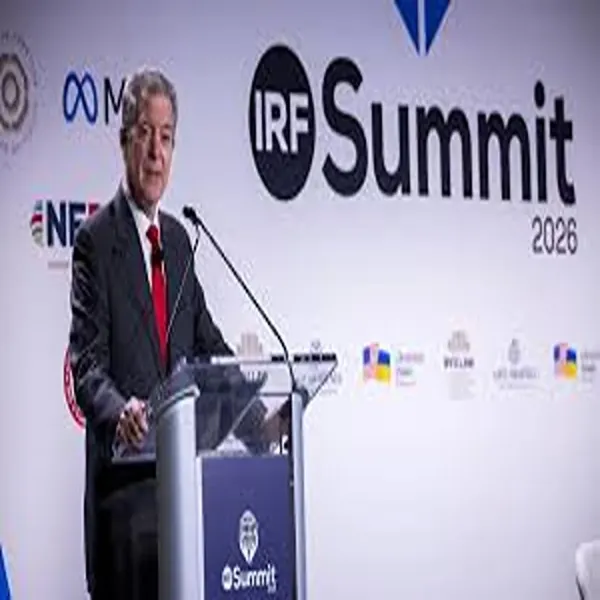
ReligiousFreedom – A congressional hearing on religious liberty has raised serious concerns about the growing pressure faced by faith communities worldwide, warning that authoritarian governments and extremist violence are driving a sharp decline in religious freedom. Lawmakers and expert witnesses told the House Foreign Affairs Committee that while repression is intensifying, existing United States policies and enforcement efforts have failed to keep pace with the scale of the problem.
Lawmakers Highlight Worsening Global Conditions
During the hearing, titled “Defending Religious Freedom Around the World,” Representative Christopher Smith said the right to practice one’s faith freely is under sustained assault in many parts of the world. He described religious liberty as a foundational American value that is now eroding globally, leaving billions of people living under strict limitations on belief and worship.
Smith warned that in many countries, restrictions on religion are not symbolic but severe, often resulting in imprisonment, physical abuse, or even execution for those who refuse to comply with state-imposed controls or dominant ideologies.
Growing Persecution Across Faiths
Referring to findings from the Open Doors 2025 World Watch List, Smith noted that more than 380 million Christians worldwide are experiencing high levels of persecution or discrimination because of their faith. He also cautioned that hostility toward Jewish communities has surged in recent years.
According to Smith, antisemitism is no longer confined to conflict zones in the Middle East but is increasingly visible across Western democracies, including within the United States. He described this trend as deeply troubling and indicative of a broader decline in tolerance for religious diversity.
Authoritarian Governments Target Religious Expression
Smith identified several authoritarian states that he said are actively suppressing religious life, including China, Russia, Nicaragua, North Korea, Belarus, and Cuba. He argued that these governments see independent religious communities as a threat because they encourage moral authority, social organization, and dissent outside state control.
“These regimes fear any institution that allows people to gather, speak freely, and hold beliefs not dictated by the government,” Smith said, adding that faith communities are often among the first targets of repression.
Religious Freedom as a Security Issue
Former U.S. ambassador-at-large for international religious freedom Sam Brownback urged lawmakers to rethink how religious liberty is treated in foreign policy. He said a growing alignment among authoritarian states now views religious belief as a direct challenge to centralized power.
Brownback argued that religious freedom should not be treated as a secondary humanitarian concern but as a critical global security issue. He told lawmakers that defending the right to worship freely could serve as a powerful tool in confronting authoritarian systems that rely on control and fear to maintain power.
China’s Role in Global Repression
Brownback singled out China as a central driver of modern religious repression, alleging that the country has invested heavily in advanced surveillance technologies designed to monitor and control religious communities. He said these tools, developed at enormous cost, are now being shared with other authoritarian governments to expand similar systems of control.
According to Brownback, the widespread use of surveillance has allowed governments to track worshippers, restrict gatherings, and pressure religious leaders into compliance with state ideology.
Personal Testimony From a Family Affected
One of the most emotional moments of the hearing came from Grace Jin Drexel, the daughter of Chinese pastor Ezra Jin, who remains detained by authorities. Drexel described what she called the largest crackdown on an independent Christian church in China since the Cultural Revolution.
She told lawmakers that her father was arrested on October 10, 2025, along with 27 other pastors and church leaders from Zion Church. Eighteen of those detained remain in custody, she said, with some arrests carried out in front of young children.
State Control Over Religious Life
Drexel said the arrests are part of a broader campaign under President Xi Jinping to bring all religious activity under government supervision. She described policies that require churches to install surveillance cameras, remove religious symbols, and replace them with images of Communist Party leaders.
She said these measures amount to the state dictating not only who may lead churches but also how theology itself is defined and taught.
Concerns Over U.S. Policy and Global Influence
Former U.S. Commission on International Religious Freedom chairman Stephen Schneck warned that the erosion of religious freedom is closely linked to the global decline of liberal democracy and the rise of authoritarian governance.
Schneck said religious freedom has increasingly been sidelined in favor of transactional foreign policy decisions. He also cautioned that reductions in foreign assistance have weakened support for civil society groups and religious freedom advocates, ultimately damaging U.S. credibility on human rights issues abroad.
-
Manoj Bajpayee replaces Govinda in Bhagam Bhag 2, fans express disappointment: ‘Without him, film makes…’

-
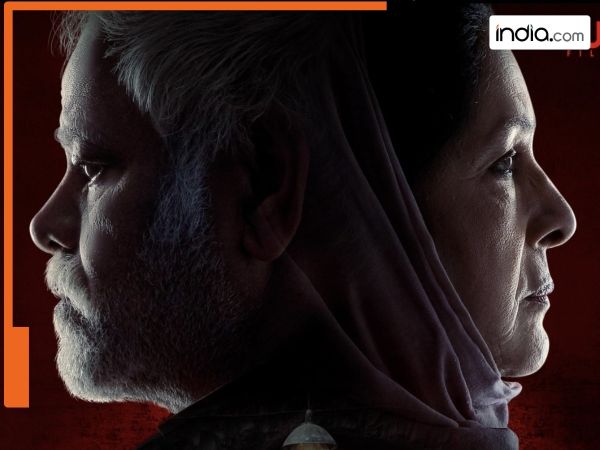
Vadh 2 review: It’s a promising murder mystery weakened by Sanjay Mishra and Neena Gupta
-
Actor Madhavan amazed by Andhra Pradesh villagers' efforts to clean 500-year-old temple well an after online appeal

-
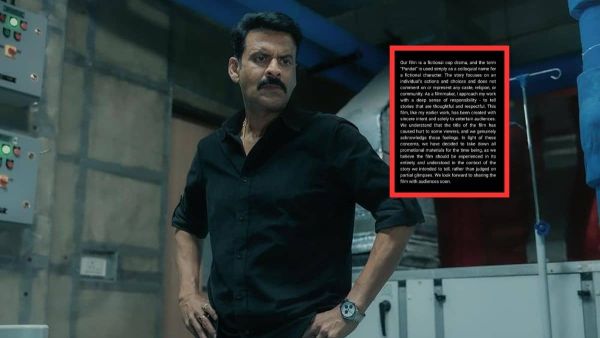
Ghooskhor Pandat: Trouble Mounts For Manoj Bajpyee Starrer, FMC Issues Notice To Neeraj Pandey And Netflix Over 'Unauthorised' Title
-
Neeraj Pandey Breaks Silence On Ghooskhor Panday's Title Controversy, Promises To Release Complete Film To Avoid Misjudgement: 'We Genuinely Acknowledge...'