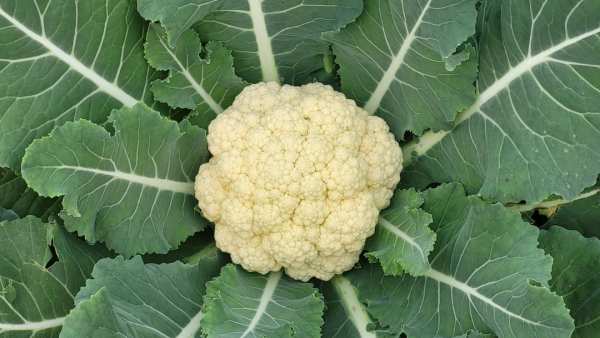
Cauliflower is one of the most loved vegetables in Indian kitchens. From comforting sabzis to parathas and curries, it often finds its way into everyday meals. Rich in phytonutrients, antioxidants, fibre and essential vitamins, cauliflower is widely considered a health-friendly vegetable. It also contains choline, a vitamin-like nutrient that supports memory, sleep regulation and muscle movement.
Like many healthy foods, excessive consumption of cauliflower can sometimes do more harm than good, especially for people with certain health conditions. Eating it daily or in large quantities may trigger digestive issues, hormonal imbalances and other unwanted side effects. Here are four important health risks of overeating cauliflower that you should be aware of before adding it too often to your plate.
8 Health Benefits Of Apple Cinnamon Water You Should Know
1. May Cause Gas, Bloating And Digestive Discomfort
Cauliflower belongs to the cruciferous vegetable family and contains a complex sugar called raffinose. This sugar is not easily digested in the small intestine and is instead fermented by bacteria in the large intestine. As a result, excessive cauliflower consumption can lead to gas formation, bloating, abdominal discomfort and a feeling of heaviness. People who already struggle with acidity, irritable bowel issues or sensitive digestion may notice worsening symptoms after eating cauliflower sabzi or paratha. While fibre is essential for gut health, too much fibre at once, especially from cauliflower, can disrupt digestion rather than support it. Cooking cauliflower thoroughly and consuming it in moderation can help reduce these effects.
2. Can Worsen Thyroid Problems
Cauliflower contains goitrogens, compounds that can interfere with the thyroid gland’s ability to use iodine effectively. This becomes a concern for people suffering from hypothyroidism, a condition where the thyroid gland is underactive and metabolism slows down. Regular or excessive intake of cauliflower may suppress thyroid function further by affecting T3 and T4 hormone levels. Doctors often advise people with thyroid disorders to limit or avoid cruciferous vegetables like cauliflower, especially in raw or lightly cooked form. If you have thyroid issues, it is best to consult a healthcare professional before making cauliflower a frequent part of your diet.
3. May Trigger Allergic Reactions In Some People
Although rare, cauliflower can cause allergic reactions in certain individuals. Symptoms may include skin itching, rashes, swelling of the lips or face, breathing difficulties and gastrointestinal distress. These reactions can occur shortly after consumption and should never be ignored. If you notice any unusual symptoms after eating cauliflower, it is important to seek medical advice immediately. Food allergies vary from person to person, and even nutrient-rich vegetables can sometimes trigger adverse reactions in sensitive individuals.
4. Can Reduce Appetite And Energy Levels
Cauliflower is low in carbohydrates and fats but high in fibre. While this makes it a popular choice for weight-conscious diets, eating it excessively may lead to reduced appetite and lower energy intake. The high fibre content keeps you feeling full for longer, which may unintentionally cause you to eat less overall. For people who require higher energy intake, such as pregnant women, individuals recovering from illness, or those with physically demanding routines, overconsumption of cauliflower may not be ideal. A balanced diet with a variety of vegetables ensures the body receives adequate nutrition without compromising energy levels.
Who Should Avoid Or Limit Cauliflower Consumption?
Certain groups of people are advised to be cautious with cauliflower intake:
- People with frequent gas, acidity or bloating issues
- Those diagnosed with thyroid disorders
- Individuals with kidney stones or gallbladder stones, as cauliflower contains calcium that may worsen the condition
- People with blood clotting disorders, due to its high potassium content
- Pregnant women, who may experience increased gas, acidity and indigestion after eating cauliflower
Moderation and proper cooking methods can make a significant difference, but medical advice should always take priority.
[Disclaimer: The information provided in the article is intended for general informational purposes only. It is not a substitute for professional medical advice, diagnosis, or treatment. Always seek the advice of your physician or other qualified healthcare provider with any questions you may have regarding a medical condition.]
-
BRS, Congress clash during election campaign, KTR condemns attacks

-
15 dead, over 80 injured in Islamabad’s explosion at a Shia religious site

-
Opposition protests outside Parliament over US trade deal

-
ECI completes observer briefing for Assam, TN, Kerala, WB polls

-
Most Sixes, Fastest 150: Records Vaibhav Sooryavanshi Shattered In IND vs ENG U19 World Cup Final