The Untold Truth About Postpartum Nutrition: Why New Moms Stay Exhausted Despite Eating Enough
Pregatips | February 6, 2026 5:40 PM CST
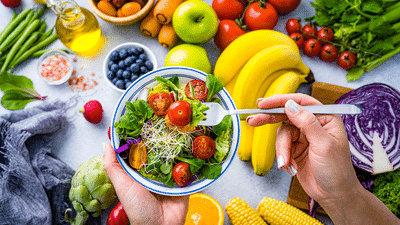
Postpartum fatigue is real and often much stronger than people expect. You might be eating full meals and sleeping whenever possible, yet still feel completely drained. That deep tiredness that no amount of coffee or snacks can fix leaves many new parents confused. But the truth is, your body isn’t just tired. It’s healing and adjusting after one of the biggest physical changes it will ever go through. After giving birth, your body works constantly to recover, produce milk, and manage new hormone shifts. So even if you eat well, you can still feel exhausted.
Take a closer look at why eating enough doesn’t always give you energy and what your body really needs to recover fully.
Why Do You Feel So Drained After ChildbirthChildbirth takes a massive toll on your body.
Blood Loss During DeliveryDuring delivery, you lose blood, and with that, a significant amount of iron. This drop in iron can lead to anaemia. When that happens, you might feel dizzy, your heart may race, and no matter how much you sleep, you still wake up feeling drained.
Iron Stores Deplete During PregnancyPregnancy itself uses up a lot of your body’s iron stores. If your diet before birth didn’t have enough iron-rich foods, that shortage continues after delivery. Your body is already running low, and recovery demands even more.
Healing After Birth Takes EnergyAfter birth, your body starts repairing tissues, which is basically like recovering from a major surgery. Your uterus begins shrinking back to its normal size, and that process alone uses up protein and other nutrients that help rebuild cells.
Breastfeeding Increases Energy DemandIf you’re breastfeeding, your body works even harder. It burns around 500 extra calories a day just to make milk. Plus, the hormone prolactin can interfere with dopamine (a feel-good chemical) that helps with energy and motivation. You might feel even sleepier and more fatigued.
When these nutrient stores aren’t replaced, fatigue can stick around for weeks or even months. You might be eating enough to fill your stomach, but if you’re not eating foods that rebuild your strength, your body keeps running on empty.
How to Eat Smart and Stay Energised After Giving BirthFilling your plate is easy, but getting the right balance is what actually gives your body real energy.
IronAfter delivery, blood loss can lower your iron levels and cause anaemia. This is why you might feel breathless, weak, or foggy. It’s not just tiredness; your body simply doesn’t have enough oxygen moving through it. Adding iron-rich foods such as green leafy vegetables, jaggery, and sesame seeds helps replenish iron stores.
CalciumYour bones and muscles work hard during pregnancy and even more during breastfeeding. Calcium helps repair and strengthen them. If you skip dairy foods like milk, yoghurt, or cheese, your body has to draw calcium from your bones to keep up with milk production. Over time, this leaves you feeling weak and achy.
Omega-3 Fatty AcidsThese healthy fats play a big role in reducing swelling and supporting your brain. Low levels can make you moody or mentally tired. Simple foods like flaxseeds and walnuts can make a real difference.
ProteinThis one’s non-negotiable. Your muscles and tissues need protein to repair themselves after childbirth. Without it, your body struggles to rebuild strength. Lentils, legumes, dairy, and nuts are great sources that don’t feel heavy or hard to digest.
FibreConstipation after birth is common and often ignored. When your digestion slows, bloating and discomfort drain your energy further. Whole grains, vegetables, and fruits keep things moving and make you feel lighter.
Indian Superfoods That Boost Postpartum Recovery These are some superfoods that can help boost your postpartum recovery naturally.
Whether you’re pregnant, a new mom, or navigating postpartum, you don’t have to do it alone. Join our support group to connect, share, and support one another.
FAQs on The Untold Truth About Postpartum Nutrition: Why New Moms Stay Exhausted Despite Eating EnoughCan certain medications affect postpartum energy levels?
Yes. Some medications can cause drowsiness and low energy, including pain relievers, hormonal treatments, and sleeping pills.
Does mental health influence postpartum fatigue?
Yes, conditions like postpartum depression or anxiety can heighten feelings of exhaustion.
Take a closer look at why eating enough doesn’t always give you energy and what your body really needs to recover fully.
Why Do You Feel So Drained After ChildbirthChildbirth takes a massive toll on your body.
Blood Loss During DeliveryDuring delivery, you lose blood, and with that, a significant amount of iron. This drop in iron can lead to anaemia. When that happens, you might feel dizzy, your heart may race, and no matter how much you sleep, you still wake up feeling drained.
Iron Stores Deplete During PregnancyPregnancy itself uses up a lot of your body’s iron stores. If your diet before birth didn’t have enough iron-rich foods, that shortage continues after delivery. Your body is already running low, and recovery demands even more.
Healing After Birth Takes EnergyAfter birth, your body starts repairing tissues, which is basically like recovering from a major surgery. Your uterus begins shrinking back to its normal size, and that process alone uses up protein and other nutrients that help rebuild cells.
Breastfeeding Increases Energy DemandIf you’re breastfeeding, your body works even harder. It burns around 500 extra calories a day just to make milk. Plus, the hormone prolactin can interfere with dopamine (a feel-good chemical) that helps with energy and motivation. You might feel even sleepier and more fatigued.
When these nutrient stores aren’t replaced, fatigue can stick around for weeks or even months. You might be eating enough to fill your stomach, but if you’re not eating foods that rebuild your strength, your body keeps running on empty.
How to Eat Smart and Stay Energised After Giving BirthFilling your plate is easy, but getting the right balance is what actually gives your body real energy.
- Start by filling your plate with a good mix of carbohydrates, proteins, and healthy fats. This balance helps your body turn food into lasting energy.
- Choose complex carbs like whole grains, lentils, and vegetables.
- Include protein-rich foods such as eggs, paneer, chicken, or dals to support tissue repair and faster recovery.
- Include healthy fats from nuts, seeds, or ghee to reduce inflammation and support healing.
- Avoid relying on sugary snacks. They give a quick energy rush but leave you feeling more tired later.
- Keep taking your prenatal vitamins if you’re breastfeeding. They fill important nutrient gaps that food alone might not cover.
- Focus on nutrients like iron, vitamin B12, vitamin D, and iodine to support recovery and milk production.
- Eat small, frequent meals throughout the day instead of large ones. This supports digestion and helps maintain stable energy levels.
IronAfter delivery, blood loss can lower your iron levels and cause anaemia. This is why you might feel breathless, weak, or foggy. It’s not just tiredness; your body simply doesn’t have enough oxygen moving through it. Adding iron-rich foods such as green leafy vegetables, jaggery, and sesame seeds helps replenish iron stores.
CalciumYour bones and muscles work hard during pregnancy and even more during breastfeeding. Calcium helps repair and strengthen them. If you skip dairy foods like milk, yoghurt, or cheese, your body has to draw calcium from your bones to keep up with milk production. Over time, this leaves you feeling weak and achy.
Omega-3 Fatty AcidsThese healthy fats play a big role in reducing swelling and supporting your brain. Low levels can make you moody or mentally tired. Simple foods like flaxseeds and walnuts can make a real difference.
ProteinThis one’s non-negotiable. Your muscles and tissues need protein to repair themselves after childbirth. Without it, your body struggles to rebuild strength. Lentils, legumes, dairy, and nuts are great sources that don’t feel heavy or hard to digest.
FibreConstipation after birth is common and often ignored. When your digestion slows, bloating and discomfort drain your energy further. Whole grains, vegetables, and fruits keep things moving and make you feel lighter.
Indian Superfoods That Boost Postpartum Recovery These are some superfoods that can help boost your postpartum recovery naturally.
- Moringa (drumstick leaves): They’re full of iron, calcium, antioxidants, and vitamins that help you regain strength and energy.
- Amla (Indian gooseberry): Amla is like nature’s vitamin C tablet. It strengthens your immunity and helps your body repair tissues faster after delivery.
- Turmeric: Turmeric fights inflammation and helps your body heal from the inside.
- Ghee: It provides healthy fats that give long-lasting energy, support digestion, and help with tissue repair.
- Almonds: These nuts are loaded with protein, calcium, and good fats. All of which help rebuild strength and keep you energised.
- Fenugreek seeds (methi): Methi has been used for generations to support breastfeeding. It’s also a good source of iron, which can help fight post-delivery fatigue.
- Jaggery: If you’ve got a sweet tooth, jaggery is a much better option than refined sugar. It’s rich in iron, helps prevent anaemia, and keeps your energy steady.
- Spinach: This leafy green is a must. It’s high in iron, folate, and vitamin K.
Whether you’re pregnant, a new mom, or navigating postpartum, you don’t have to do it alone. Join our support group to connect, share, and support one another.
FAQs on The Untold Truth About Postpartum Nutrition: Why New Moms Stay Exhausted Despite Eating Enough
Yes. Some medications can cause drowsiness and low energy, including pain relievers, hormonal treatments, and sleeping pills.
Yes, conditions like postpartum depression or anxiety can heighten feelings of exhaustion.
READ NEXT
-
Leftover chapati recipes: Creative ways to transform yesterday's rotis into delicious meals

-
Valentine's Day card ideas and messages to make your better half fall head over heels

-
Kerala's February festival calendar features massive effigies, caparisoned elephant parades and living temple traditions

-
204 Holi special trains to run across NCR as railways prepare for peak festival travel

-
Is Drinking Warm Water on an Empty Stomach Beneficial? Experts Explain