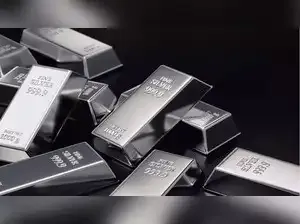
Silver price prediction futures: Silver entered 2026 with explosive momentum. In early January, spot silver prices crossed $121 per ounce, marking an all-time high driven by macroeconomic anxiety, Federal Reserve uncertainty, and heavy retail investor participation. Futures data from COMEX showed record trading volumes, while silver-backed exchange-traded funds recorded their strongest inflows in years.
That optimism unraveled abruptly on January 30, 2026, when silver prices fell more than 30% in a single session, wiping out weeks of gains. The move ranked among the worst one-day declines for silver in modern market history. By early February, silver was trading near $88 per ounce, still elevated year to date but far below its peak.
Despite the crash, silver remains one of the top-performing major assets of 2026 so far. The iShares Silver Trust (SLV) is up more than 12% year to date, compared with roughly 2% gains in the S&P 500, underscoring silver’s continued appeal as both a speculative and defensive asset.
For silver to reach $200 per ounce in 2026, it would need to more than double its current February valuation of $88. While this sounds extreme, historical commodity "blow-off tops" often defy conventional logic. A move of this magnitude would likely require the gold-to-silver ratio to compress toward 30:1, a level last seen during the Hunt brothers' silver corner in 1980.
On January 30, President Donald Trump announced Kevin Warsh as his pick for the next Federal Reserve chair, intensifying speculation about the future direction and independence of U.S. monetary policy. Markets interpreted the move as signaling greater policy stability and a potentially stronger U.S. dollar.
The dollar surged. Treasury yields firmed. Risk sentiment improved.
For silver, that was bad news.
Silver thrives when investors fear inflation, currency debasement, or central bank instability. In the weeks leading up to the announcement, uncertainty surrounding Jerome Powell’s successor had fueled heavy buying of precious metals. Once clarity arrived, that fear premium evaporated quickly.
A stronger dollar also pressures silver mechanically. Since silver is priced in dollars, a rising greenback makes it more expensive for foreign buyers, reducing global demand. Futures traders moved fast to unwind leveraged positions, accelerating the selloff.
Importantly, this was not a demand collapse in the physical market. Industrial demand indicators, including solar panel manufacturing and electronics output, remained stable. The crash was largely sentiment-driven, amplified by algorithmic trading and margin liquidations.
The U.S. economy in 2026 faces persistent uncertainty. Inflation has moderated from its peaks but remains above the Federal Reserve’s long-term target. Real interest rates are volatile. Global growth is uneven. Geopolitical risks continue to simmer.
In this environment, investors historically rotate toward hard assets, and silver sits at a unique intersection of safe-haven demand and industrial necessity.
Unlike gold, silver is heavily used in solar energy, electric vehicles, semiconductors, and medical equipment. According to industry estimates, more than 50% of global silver demand now comes from industrial applications, a structural shift that supports long-term pricing.
At the same time, retail investor interest has surged. Online brokerage data shows increased trading activity in silver ETFs and mining stocks throughout January. Social media mentions of “silver price forecast 2026” and “will silver hit $200” spiked sharply following the January selloff, signaling that speculation remains intense.
This dual demand profile makes silver more volatile than gold—but also capable of sharper rallies when sentiment turns.
For silver to reach $200 in 2026, several conditions would likely need to align.
First, confidence in central bank independence would need to weaken again. Any signs of political interference in monetary policy, surprise inflation data, or abrupt rate shifts could reignite safe-haven buying.
Second, retail investor enthusiasm would need to accelerate. The 2021 silver squeeze showed how coordinated retail activity can temporarily overwhelm fundamentals. While institutional investors remain cautious at current levels, retail flows can move prices sharply in the short term.
Third, supply constraints would need to tighten. Global silver mine production has been largely flat, while demand from renewable energy continues to rise. Any disruption in major producing countries could act as a catalyst.
That said, most analysts view $200 silver as a low-probability outcome, not a base case. After months of rapid gains, the market is vulnerable to consolidation. Volatility tends to increase near speculative peaks, not disappear.
In practical terms, silver reaching $200 would likely reflect hype and momentum rather than sustainable fundamentals—and could be followed by equally sharp corrections.
In 2026, SLV has already outperformed most major asset classes. Its double-digit gains highlight silver’s diversification value in portfolios dominated by equities and bonds.
However, SLV also reflects silver’s downside risk in full. The January 30 crash translated directly into sharp losses for ETF holders. Unlike dividend-paying stocks, silver ETFs generate no income and rely entirely on price appreciation.
That makes timing and risk tolerance critical.
For long-term investors, SLV can serve as a hedge against inflation and currency risk. For short-term traders, it remains a high-volatility instrument sensitive to headlines, Fed policy, and sentiment shifts.
Notably, many professional stock-picking services have avoided recommending silver ETFs as core holdings, favoring cash-flow-generating equities instead. That distinction matters for investors weighing speculation versus portfolio stability.
Bitcoin falling below $70,000 during the same period reinforced this theme. Risk assets and alternative stores of value are moving sharply in response to policy signals rather than long-term fundamentals.
In that sense, silver is acting as a barometer of investor psychology. When fear spikes, silver rallies fast. When clarity returns, it sells off just as quickly.
Whether silver revisits its highs—or pushes toward $200—will depend less on mining output and more on confidence in economic leadership, inflation control, and the credibility of institutions.
For now, silver remains one of the most closely watched assets of 2026. Its next move will say as much about markets as it does about the metal itself.
Silver fell over 30% on January 30, 2026, marking its worst single-day drop in decades. The selloff followed President Trump’s announcement of Kevin Warsh as the next Federal Reserve chair. The news strengthened the U.S. dollar and reduced demand for safe-haven assets. Investors rapidly exited speculative silver positions.
FAQ 2: Can silver realistically reach $200 per ounce in 2026?
Silver last traded near $88 per ounce after peaking above $121 in January. Reaching $200 would require a gain of over 125% in less than a year. Such a move would likely need severe inflation fears, dollar weakness, or financial instability. Current fundamentals do not support sustained prices at that level.
FAQ 3: Is iShares Silver Trust (SLV) still a good investment after the crash?
Despite the drop, SLV remains up roughly 12% year-to-date, outperforming the S&P 500’s 2% gain. The ETF closely tracks spot silver prices and offers portfolio diversification. However, it carries high volatility risk. Investors must tolerate sharp and sudden price swings.
FAQ 4: What factors will drive silver prices for the rest of 2026?
Federal Reserve policy signals, U.S. dollar strength, and inflation expectations will dominate silver’s direction. Retail investor activity has also become a powerful short-term driver. Industrial demand remains steady but secondary. Market sentiment, not supply shortages, will likely set silver’s price.
That optimism unraveled abruptly on January 30, 2026, when silver prices fell more than 30% in a single session, wiping out weeks of gains. The move ranked among the worst one-day declines for silver in modern market history. By early February, silver was trading near $88 per ounce, still elevated year to date but far below its peak.
Despite the crash, silver remains one of the top-performing major assets of 2026 so far. The iShares Silver Trust (SLV) is up more than 12% year to date, compared with roughly 2% gains in the S&P 500, underscoring silver’s continued appeal as both a speculative and defensive asset.
For silver to reach $200 per ounce in 2026, it would need to more than double its current February valuation of $88. While this sounds extreme, historical commodity "blow-off tops" often defy conventional logic. A move of this magnitude would likely require the gold-to-silver ratio to compress toward 30:1, a level last seen during the Hunt brothers' silver corner in 1980.
Why silver prices crashed after hitting record highs
The immediate trigger for silver’s collapse was not a supply shock or industrial slowdown. It was political and monetary.On January 30, President Donald Trump announced Kevin Warsh as his pick for the next Federal Reserve chair, intensifying speculation about the future direction and independence of U.S. monetary policy. Markets interpreted the move as signaling greater policy stability and a potentially stronger U.S. dollar.
The dollar surged. Treasury yields firmed. Risk sentiment improved.
For silver, that was bad news.
Silver thrives when investors fear inflation, currency debasement, or central bank instability. In the weeks leading up to the announcement, uncertainty surrounding Jerome Powell’s successor had fueled heavy buying of precious metals. Once clarity arrived, that fear premium evaporated quickly.
A stronger dollar also pressures silver mechanically. Since silver is priced in dollars, a rising greenback makes it more expensive for foreign buyers, reducing global demand. Futures traders moved fast to unwind leveraged positions, accelerating the selloff.
Importantly, this was not a demand collapse in the physical market. Industrial demand indicators, including solar panel manufacturing and electronics output, remained stable. The crash was largely sentiment-driven, amplified by algorithmic trading and margin liquidations.
Silver as a safe-haven asset in an uncertain economy
Even after the correction, silver’s broader investment case remains intact.The U.S. economy in 2026 faces persistent uncertainty. Inflation has moderated from its peaks but remains above the Federal Reserve’s long-term target. Real interest rates are volatile. Global growth is uneven. Geopolitical risks continue to simmer.
In this environment, investors historically rotate toward hard assets, and silver sits at a unique intersection of safe-haven demand and industrial necessity.
Unlike gold, silver is heavily used in solar energy, electric vehicles, semiconductors, and medical equipment. According to industry estimates, more than 50% of global silver demand now comes from industrial applications, a structural shift that supports long-term pricing.
At the same time, retail investor interest has surged. Online brokerage data shows increased trading activity in silver ETFs and mining stocks throughout January. Social media mentions of “silver price forecast 2026” and “will silver hit $200” spiked sharply following the January selloff, signaling that speculation remains intense.
This dual demand profile makes silver more volatile than gold—but also capable of sharper rallies when sentiment turns.
Can silver realistically reach $200 per ounce in 2026?
A move to $200 per ounce would represent a gain of more than 125% from early February levels. Historically, such moves are rare but not unprecedented in commodities during periods of extreme speculation or macro stress.For silver to reach $200 in 2026, several conditions would likely need to align.
First, confidence in central bank independence would need to weaken again. Any signs of political interference in monetary policy, surprise inflation data, or abrupt rate shifts could reignite safe-haven buying.
Second, retail investor enthusiasm would need to accelerate. The 2021 silver squeeze showed how coordinated retail activity can temporarily overwhelm fundamentals. While institutional investors remain cautious at current levels, retail flows can move prices sharply in the short term.
Third, supply constraints would need to tighten. Global silver mine production has been largely flat, while demand from renewable energy continues to rise. Any disruption in major producing countries could act as a catalyst.
That said, most analysts view $200 silver as a low-probability outcome, not a base case. After months of rapid gains, the market is vulnerable to consolidation. Volatility tends to increase near speculative peaks, not disappear.
In practical terms, silver reaching $200 would likely reflect hype and momentum rather than sustainable fundamentals—and could be followed by equally sharp corrections.
iShares Silver Trust (SLV) performance and investor risks
For equity investors, the iShares Silver Trust (NYSEMKT: SLV) remains the most widely used vehicle to gain exposure to silver prices. The ETF is backed by physical silver and closely tracks spot prices, minus expenses.In 2026, SLV has already outperformed most major asset classes. Its double-digit gains highlight silver’s diversification value in portfolios dominated by equities and bonds.
However, SLV also reflects silver’s downside risk in full. The January 30 crash translated directly into sharp losses for ETF holders. Unlike dividend-paying stocks, silver ETFs generate no income and rely entirely on price appreciation.
That makes timing and risk tolerance critical.
For long-term investors, SLV can serve as a hedge against inflation and currency risk. For short-term traders, it remains a high-volatility instrument sensitive to headlines, Fed policy, and sentiment shifts.
Notably, many professional stock-picking services have avoided recommending silver ETFs as core holdings, favoring cash-flow-generating equities instead. That distinction matters for investors weighing speculation versus portfolio stability.
What silver’s volatility says about 2026 markets
Silver’s dramatic rise and fall in early 2026 is not an isolated event. It reflects a broader market dynamic defined by fragile confidence, rapid narrative shifts, and heavy retail participation.Bitcoin falling below $70,000 during the same period reinforced this theme. Risk assets and alternative stores of value are moving sharply in response to policy signals rather than long-term fundamentals.
In that sense, silver is acting as a barometer of investor psychology. When fear spikes, silver rallies fast. When clarity returns, it sells off just as quickly.
Whether silver revisits its highs—or pushes toward $200—will depend less on mining output and more on confidence in economic leadership, inflation control, and the credibility of institutions.
For now, silver remains one of the most closely watched assets of 2026. Its next move will say as much about markets as it does about the metal itself.
FAQs:
FAQ 1: Why did silver prices crash more than 30% in January 2026?Silver fell over 30% on January 30, 2026, marking its worst single-day drop in decades. The selloff followed President Trump’s announcement of Kevin Warsh as the next Federal Reserve chair. The news strengthened the U.S. dollar and reduced demand for safe-haven assets. Investors rapidly exited speculative silver positions.
FAQ 2: Can silver realistically reach $200 per ounce in 2026?
Silver last traded near $88 per ounce after peaking above $121 in January. Reaching $200 would require a gain of over 125% in less than a year. Such a move would likely need severe inflation fears, dollar weakness, or financial instability. Current fundamentals do not support sustained prices at that level.
FAQ 3: Is iShares Silver Trust (SLV) still a good investment after the crash?
Despite the drop, SLV remains up roughly 12% year-to-date, outperforming the S&P 500’s 2% gain. The ETF closely tracks spot silver prices and offers portfolio diversification. However, it carries high volatility risk. Investors must tolerate sharp and sudden price swings.
FAQ 4: What factors will drive silver prices for the rest of 2026?
Federal Reserve policy signals, U.S. dollar strength, and inflation expectations will dominate silver’s direction. Retail investor activity has also become a powerful short-term driver. Industrial demand remains steady but secondary. Market sentiment, not supply shortages, will likely set silver’s price.