Highlights
- AI autofocus and subject detection enable accurate tracking of birds and animals for hobbyists.
- Long-reach telephoto lenses remain essential but costly for wildlife photography.
- Bridge cameras and AI nature cameras lower entry barriers for beginners.
- Mirrorless cameras offer the best balance of performance, growth, and image quality.
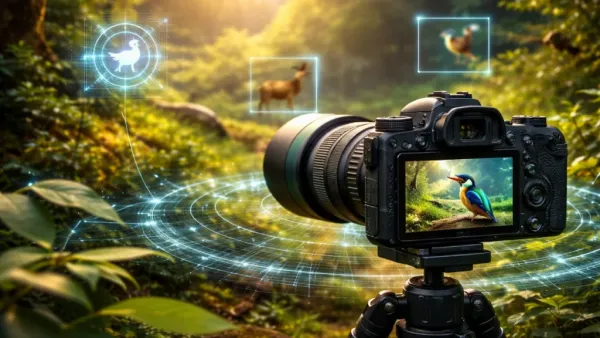
In recent years, nature photography has been transformed by both artificial intelligence (AI) and advancements in mirrorless camera technology, with Deep-Learning Cameras bringing features that once belonged solely to professional rigs within reach of dedicated hobbyists. From AI-enabled subject tracking to long-range lenses that bring distant wildlife into crisp focus, the landscape is shifting.
What was once niche and specialist gear is increasingly positioned as accessible technology, but with important trade-offs for aspiring wildlife and nature photographers, such as deep-learning autofocus, animal eye detection, and real-time subject tracking. This article examines the evolution in technology through the lens of workflows, usability, and cost.
AI Is Reshaping Wildlife and Nature Photography
Artificial intelligence has become a defining trend in modern cameras. Contemporary mirrorless cameras like the Canon EOS R50 Mirrorless Camera and higher-end models derived from flagship lineages integrate deep-learning-powered autofocus and subject recognition that can detect and track animals, birds, insects, and other natural subjects with impressive accuracy. Such systems leverage deep neural networks to maintain focus on erratically moving subjects, traditionally a stumbling block for hobbyists using older gear.
Studies in machine vision consistently show that deep learning models substantially improve real-time wildlife detection and tracking in varied environments, reducing the frustration of missed shots and lost focus.
These AI systems are no longer exclusive to pro bodies. Mid-range mirrorless models, including the Canon EOS R50, use deep-learning algorithms that often enable animal eye AF and species-agnostic subject tracking, features once reserved for expensive pro models.
For many hobbyists photographing birds or mammals in fast motion, intelligent tracking increases the likelihood of sharp, compelling images without needing hours of manual focus adjustment. This represents a democratisation of what was once specialist expertise.
Lenses and Reach
While AI is reshaping how cameras perceive subjects, lens reach and optical quality remain central to wildlife photography. Capturing birds in flight or distant mammals requires long focal lengths and stable optics. For mirrorless and DSLR systems, an investment in telephoto glass like the Sony FE 200-600mm F5.6-6.3 G OSS Lens can dramatically extend reach. These lenses offer excellent optical performance with image stabilisation, bringing distant subjects into sharp focus.
For hobbyists, long-reach lenses are often the first serious financial hurdle. A dedicated telephoto lens may cost as much as, or more than, the camera body itself. This threat to accessibility has led some enthusiasts to explore alternatives, such as high-zoom bridge cameras with integrated long lenses.
For example, specialist devices like the Nikon Coolpix P1100 feature extreme focal ranges (up to 3000 mm equivalent), offering reach without interchangeable lenses. While such models compromise on sensor size and dynamic range, their integrated long zooms provide affordable access to distant wildlife photography.
The Casual Tier: Nature Cameras and Smart Devices
Parallel to traditional camera ecosystems, a new category of AI-powered nature cameras is emerging. These devices, often designed for backyard observation, use embedded AI to monitor and record wildlife behavior with minimal user intervention. For example, camera systems can automatically identify bird species by sight and sound and compile highlight reels or summaries of wildlife visits.
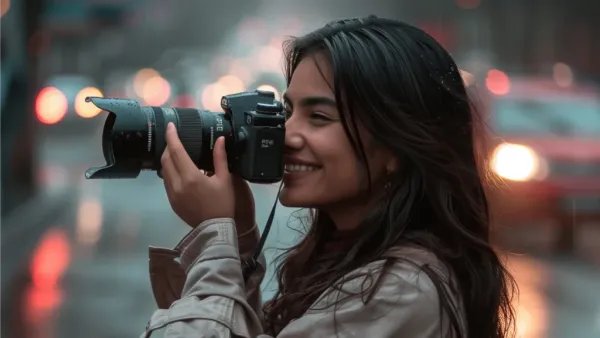
These designs are inherently accessible: they demand neither advanced photography skills nor expensive lenses. Their value is not in pixel-perfect artistry but in enabling broader engagement with nature. Hobbyists who enjoy observing birds and butterflies but are not yet ready to invest in mirrorless systems find these devices compelling.
Performance Differences
The key divide between accessible and specialist gear lies in performance consistency and versatility.
For serious enthusiasts and semi-professionals, mirrorless systems like those driven by Nikon, Canon, or Sony remain the benchmark. They combine large sensors, fast continuous burst shooting, advanced subject detection, and robust autofocus with interchangeable lenses capable of delivering high-resolution stills and 4K (or higher) video. These systems excel across conditions, from backlit foliage to fast-moving flocks in flight, and they scale with user skill as photographers grow.
Yet, hobbyists face a familiar dilemma. High-end mirrorless bodies with AI-assisted tracking and excellent low-light performance often cost upwards of several thousand dollars. Adding telephoto lenses significantly increases total cost and weight. For entrants, that barrier can be discouraging. It reinforces the appeal of lower-cost options that offer simplified photography with acceptable image quality.
Bridging the Gap: Hybrid Workflows and Tools
Even as dedicated cameras push performance forward, hybrid workflows are emerging that blend accessibility and capability. For example, AI-enabled gimbals and accessories support tracking and automated framing for cameras mounted on tripods or drones, making dynamic shooting more approachable without investing in flagship bodies.
Similarly, photography communities and software platforms increasingly support AI-assisted post-processing. Tools that automatically recognize species, suggest best composition crops, and stabilize footage bring computational photography to the hobbyist’s desktop, narrowing the quality gap between entry-level gear and specialist systems.
Cost Trade-Offs and Lifespan Considerations
From a budget perspective, accessible AI nature cameras and bridge systems present compelling entry points, often costing a fraction of a full mirrorless kit with telephoto lenses. These devices are lightweight, simple to operate, and rarely require significant ancillary investment.
By contrast, building a full wildlife photography kit around a pro or enthusiast mirrorless body requires cumulative spending: camera body, several lenses (including telephoto), storage media, extra batteries, and protective gear. While the performance and flexibility justify the expense for many dedicated photographers, hobbyists weighing options must consider whether incremental gains in quality are meaningful for their personal enjoyment.
Moreover, long-term value must be weighed. Classic mirrorless systems have strong resale markets, and lens investments often outlast bodies across generations, softening long-term cost. Even so, for casual users who primarily share images on social media or enjoy local birding trips, the depreciation of specialist gear may not align with usage.
Where Accessibility Meets Aspiration
Ultimately, the divide between accessible AI-enhanced devices and traditional specialist cameras is narrowing, but not disappearing. For hobbyists whose focus is observational joy and community engagement, AI-driven nature cameras and smart trackers deliver experiences that were unimaginable a decade ago. They can automatically label, archive, and share wildlife encounters without great technical skills.
For those whose passion for nature photography begins to intersect with aspirations for professional-grade output, entry-to-mid-level mirrorless systems with AI autofocus and interchangeable telephoto lenses offer a bridge. The rewards are tangible: greater control over composition, higher image quality in challenging light, and the freedom to grow with the camera rather than being limited by it.
Conclusion
The modern wildlife and nature photography space is no longer a single track from novice to professional gear. Instead, it presents a spectrum:
- Accessible AI nature cameras serve hobbyists and observers seeking effortless capture and automated insights.
- Bridge superzoom cameras offer remarkable reach with a minimal learning curve.
- Mid-range mirrorless systems with deep-learning autofocus provide a balance of performance and price for serious enthusiasts.
- Professional mirrorless kits with premium lenses remain the choice for those committed to pushing creative and technical boundaries.
As AI continues to be integrated into imaging hardware and software, the gulf between accessible and specialist gear will likely shrink further. For now, the best choice for any individual lies in how they prioritise quality, effort, and enjoyment, and in matching their investment to the type of wildlife and nature experiences they hope to preserve in images that last.
-
PSL 2026 Auction: PCB Sells Controversial Multan Sultans Team For Around ₹73.5 Crore, To Be Renamed Rawalpindi

-
Rohit Sharma, Virat Kohli In 'Grade B' As BCCI Releases Annual Contracts For Men And Women Cricket Teams; Check Full List

-
New Delhi, Ottawa Agree To Appoint Liaison Officers After NSA Ajit Doval’s Canada Visit

-
BREAKING: India-Pakistan T20 World Cup 2026 clash to go ahead as scheduled after ICC-PCB meeting

-
Rani Mukerji compares working with Salman Khan to Shah Rukh and Aamir Khan, calls it a 360-degree turn: ‘Very casual about…’