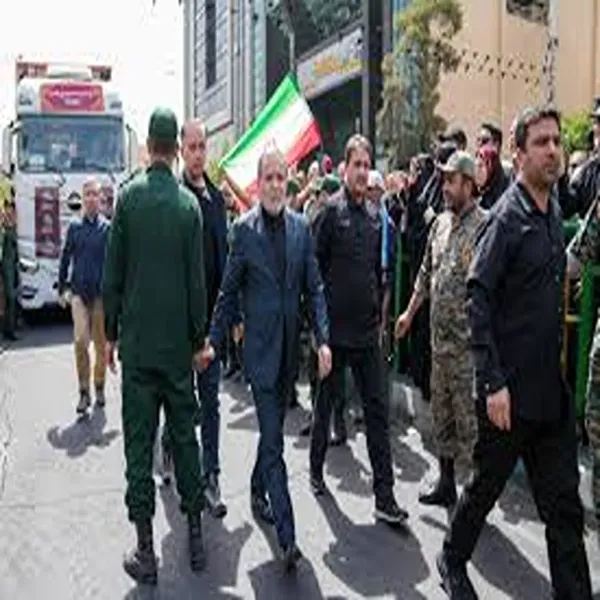
IranProtests – According to figures released by activist groups, at least 7,002 people have been reported killed during last month’s nationwide protests in Iran, underscoring the deepening strain within the country as diplomatic efforts continue abroad.
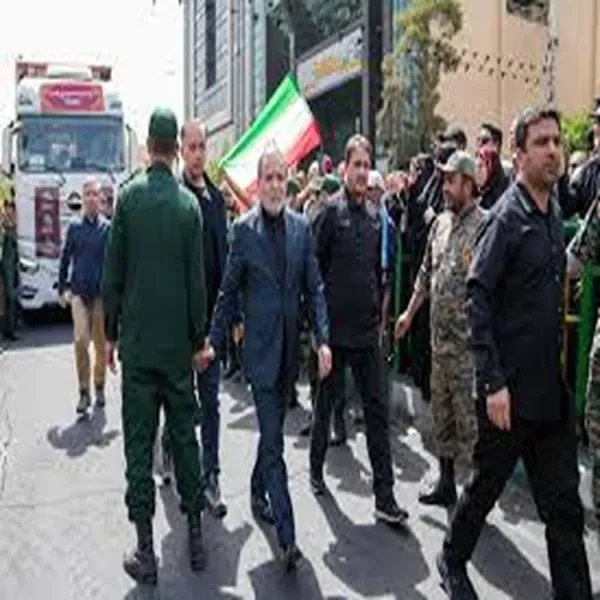
Activists Report Rising Casualties
The updated toll was shared Thursday by the U.S.-based Human Rights Activists News Agency, an organization that has previously documented fatalities during periods of unrest in Iran. The group said it continues to verify deaths through a network of sources inside the country, a process complicated by communication restrictions and limited access to reliable information.
The gradual increase in confirmed deaths reflects the challenges of gathering accurate data amid disruptions to internet services and international phone connections. Independent verification remains difficult. International media organizations, including The Associated Press, have stated they are unable to confirm the full scope of casualties due to restricted access within the Islamic Republic.
Iranian authorities have provided only one official figure so far. On January 21, the government said that 3,117 people had died during the unrest. In previous episodes of domestic protests, officials have been accused by rights groups of underreporting fatalities or delaying disclosure.
Domestic Pressure and Public Grief
The mounting death toll comes at a sensitive time for Iran’s leadership. Public anger over the government’s response to dissent continues to simmer, and families of those killed are preparing to observe the traditional 40-day mourning period. Historically, such commemorations have sometimes drawn renewed public gatherings, adding to concerns about further demonstrations.
Analysts say the internal situation could influence Iran’s posture on the international stage, particularly as it navigates complex diplomatic discussions with the United States over its nuclear program.
Diplomatic Efforts Continue Amid Uncertainty
While tensions persist at home, negotiations surrounding Iran’s nuclear activities remain unresolved. A second round of talks between Tehran and Washington has yet to be formally scheduled.
U.S. President Donald Trump addressed the issue after discussions with Israeli Prime Minister Benjamin Netanyahu. In a post on his TruthSocial platform, Trump said he had emphasized the importance of continuing negotiations to determine whether an agreement could be reached. He indicated that a diplomatic solution would be preferable, while also noting that past decisions by Iran not to pursue a deal had led to negative consequences.
Netanyahu has publicly urged the United States to take a firmer stance in discussions with Tehran, arguing for increased pressure during negotiations.
Regional Meetings and Mediation Channels
Senior Iranian official Ali Larijani held talks this week in Qatar with Sheikh Mohammed bin Abdulrahman Al Thani, the country’s foreign minister. Qatar has often played a mediating role in regional disputes and maintains working relations with both Iran and the United States. The Gulf state also hosts a significant U.S. military installation.
Larijani told Al Jazeera that while Iran did not receive a detailed proposal from Washington during earlier discussions in Oman, there had been an exchange of messages. He also met representatives of the Palestinian group Hamas and, in Oman, officials linked to Yemen’s Houthi movement.
Qatar’s state news agency reported that Emir Sheikh Tamim bin Hamad Al Thani discussed regional security and de-escalation efforts in a conversation with President Trump, though no specifics were disclosed.
Military Movements Signal Heightened Stakes
The diplomatic maneuvering is unfolding alongside a visible U.S. military presence in the region. The aircraft carrier USS Abraham Lincoln, accompanied by additional naval vessels and aircraft, has been deployed to the Middle East. U.S. officials say the move is intended to reinforce deterrence and provide operational flexibility if needed.
In recent weeks, U.S. forces reported shooting down a drone that approached the Lincoln and intervening when Iranian forces attempted to stop a U.S.-flagged commercial vessel in the Strait of Hormuz, a vital shipping corridor at the entrance to the Persian Gulf.
President Trump told the news outlet Axios that a second aircraft carrier could be sent to the area, describing an expanding naval deployment.
As Iran confronts rising domestic unrest and uncertain diplomatic prospects, the coming weeks are likely to test both its internal stability and its engagement with global powers.
-
India vs Pakistan T20 World Cup 2026: Strengths, Weaknesses and Match Prediction

-
Strictly star's ex-wife vows to never marry again as she admits it's been 'ruined' for her

-
I got a sneak peek inside the £30,000 suite on the Disney Wish ship coming to the UK
-
Over 8,000 complaints received against sitting judges in 10 years, Centre tells Parliament

-
The simplest way to block unknown numbers and spam on WhatsApp